
How to Choose Paint Colors That Work in Your Home
A complete guide to choosing paint colors + resources to help you pick, plan, and implement beautiful color schemes.
Why Choosing Paint Colors Feels So Hard
Choosing paint colors shouldn’t feel like a gamble. The right colors can transform a room, make your furniture and finishes pop, and create a cohesive home you love living in. But lighting and undertones affect how paint actually looks, and can make a color look completely different from home to home. Add to that a huge number of options, and…
That’s why choosing paint colors can feel so confusing and overwhelming!
The Right Way to Think About Paint Colors
Designers don’t pick colors by instinct, or stand in a paint aisle guessing — they follow a process. When you understand (and use) the process, you can eliminate all of that stressful guesswork and choose colors with confidence.
The Paint Color Selection Process (Step-by-Step)
#1
Start with Your Space (Not the Paint Chip)
Paint colors don’t exist in a vacuum. The way a color looks is shaped by light, surrounding finishes, and how the room is used. Any successful paint decision starts by understanding the space first — before looking at a single color.
#2
Narrow Your Options Before You Test
One of the biggest mistakes homeowners make is testing too many colors at once. Designers eliminate dozens of options upfront by using a few key filters — which makes the final choice feel obvious instead of overwhelming.
#3
Test with Intention
Testing paint isn’t about seeing what you “like” in the moment. It’s about observing how color behaves in real life — across walls, lighting conditions, and times of day — so there are no surprises after the room is painted.
#4
Think Beyond One Room
Even when you’re choosing paint for a single space, it needs to relate to the rest of your home. Considering how colors flow from room to room creates a cohesive look and prevents the “one-off color” problem.
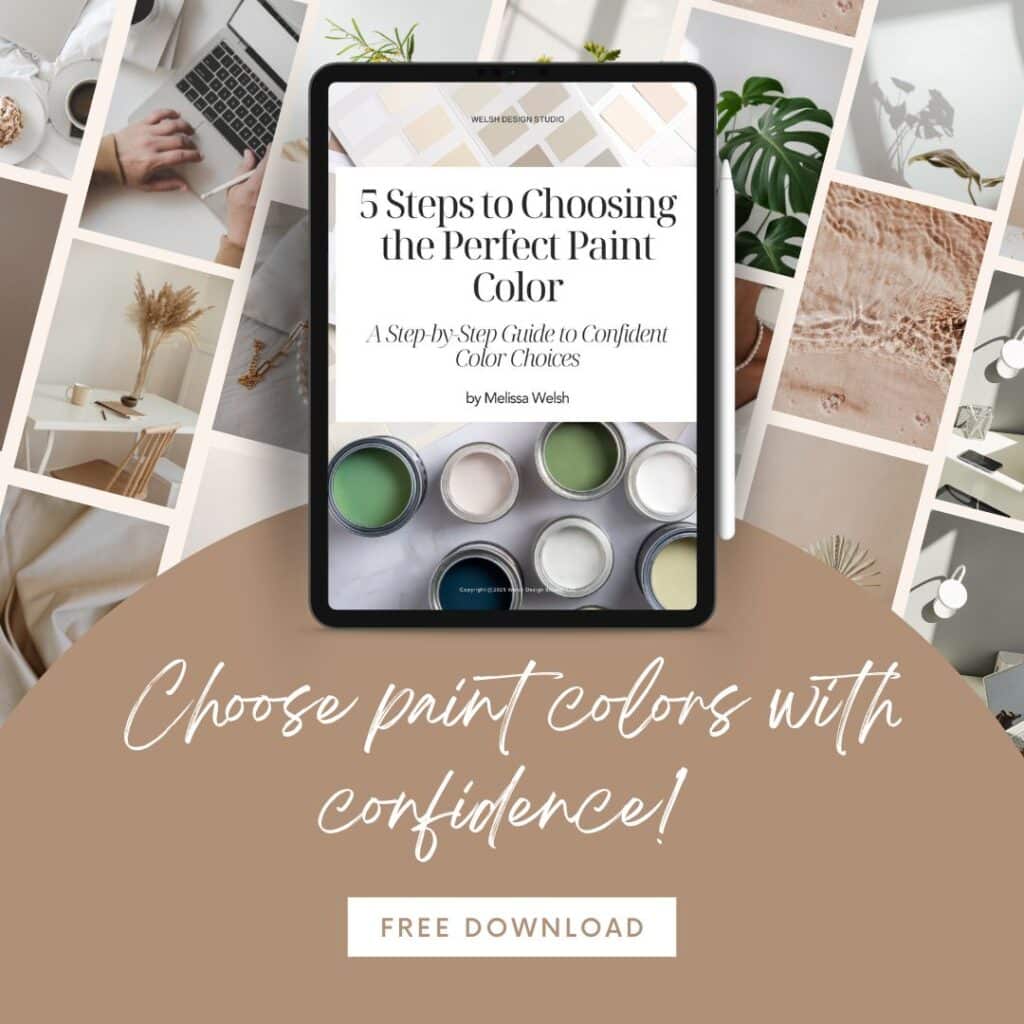
Free Guide: 5 Steps to Choosing the Perfect Paint Color
Want the exact steps designers use to choose paint colors with confidence? This free guide will walk you through the full process, so you can make the right choice without second-guessing.

Designer Color Picks for Real Homes
After years of testing samples, working with clients, and seeing how paint behaves in real lighting conditions, I’ve compiled a list of my go-to favorite paint colors.
These aren’t trendy colors pulled from social media. They’re reliable, timeless, versatile shades that work in a variety of lighting conditions.
If you’re looking for the very best paint colors…the ones designers turn to time and time again, you’ll want to grab a copy of my Favorite Paint Colors eBook.
How to Choose Paint Colors with Confidence Course
This step-by-step course walks you through the exact process I use as a designer — from understanding undertones and lighting to testing samples the right way. If you want clear direction (not more swatches), this course gives you the tools to make confident, cohesive color decisions in your home.

Get Expert Help Choosing Exterior Paint Colors
Choosing exterior paint colors can feel so overwhelming…especially when you’re trying to coordinate body, trim, accent, and front door colors, and there are so many options! It’s an expensive decision with a lot of pressure to get it right. Well, you’re in luck because exteriors are one of my specialties. Here are two ways I can help:
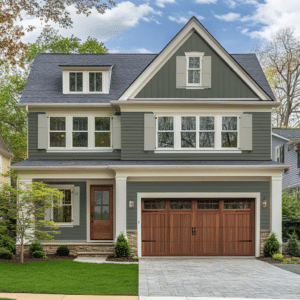
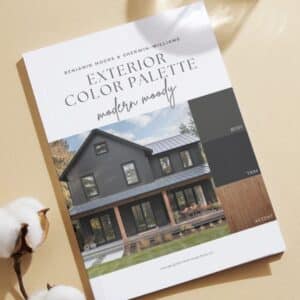
Exterior Paint Color Palettes
Tried and true exterior color combinations, packaged into a curated exterior paint color guide. Take the guesswork out of the process with cohesive color combinations that are timeless, and designed to boost curb appeal.
Not Sure Where to Start?
If you’re just beginning → start with the free guide
If you need ideas for rooms you’re ready to pick colors for → get the eBook
If you want to learn how to choose paint colors the right way → take the course
If you want exterior paint help → book a consult
Paint Related Blog Posts

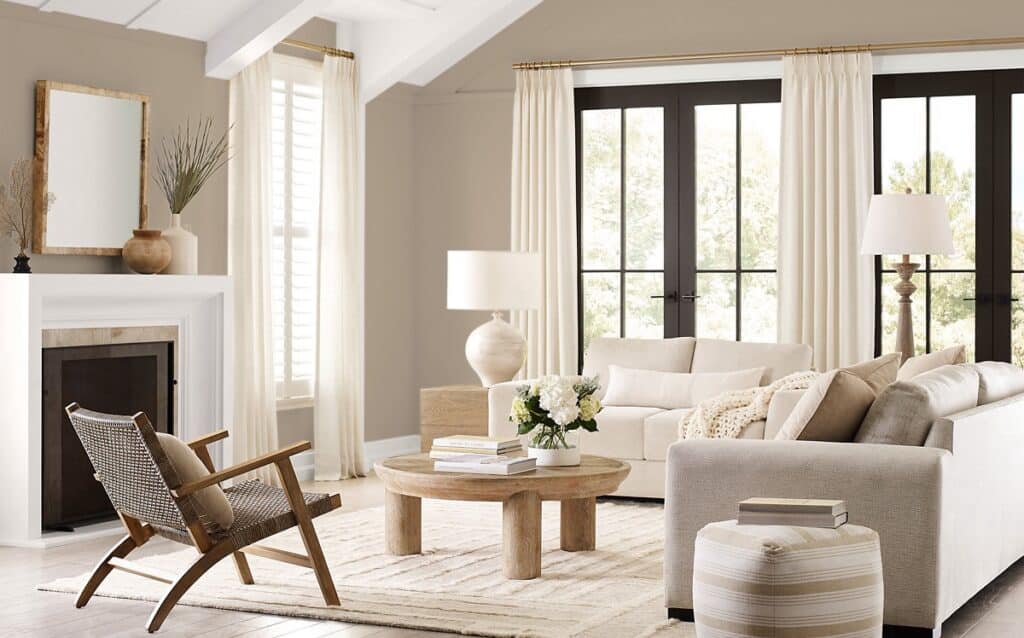

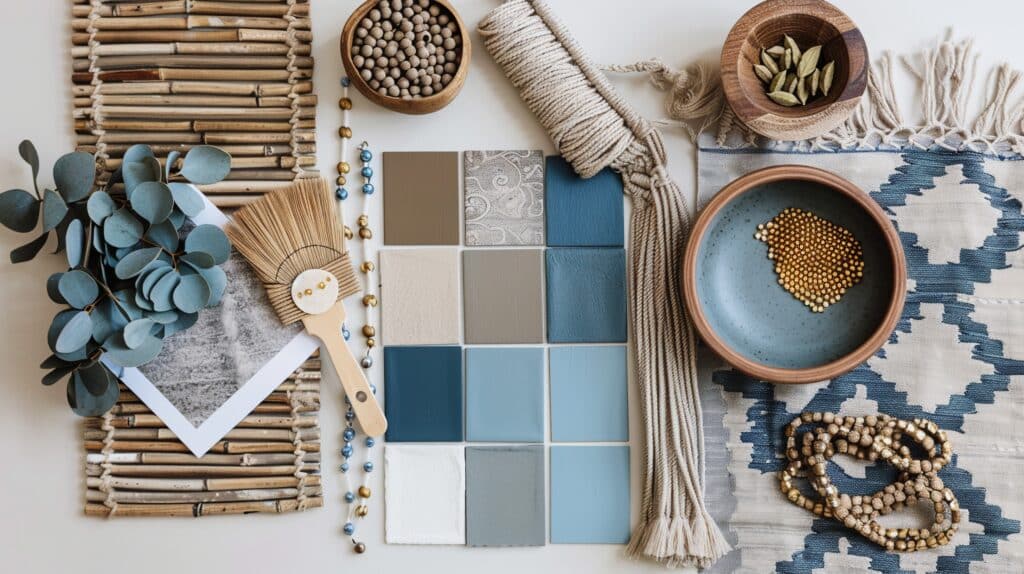
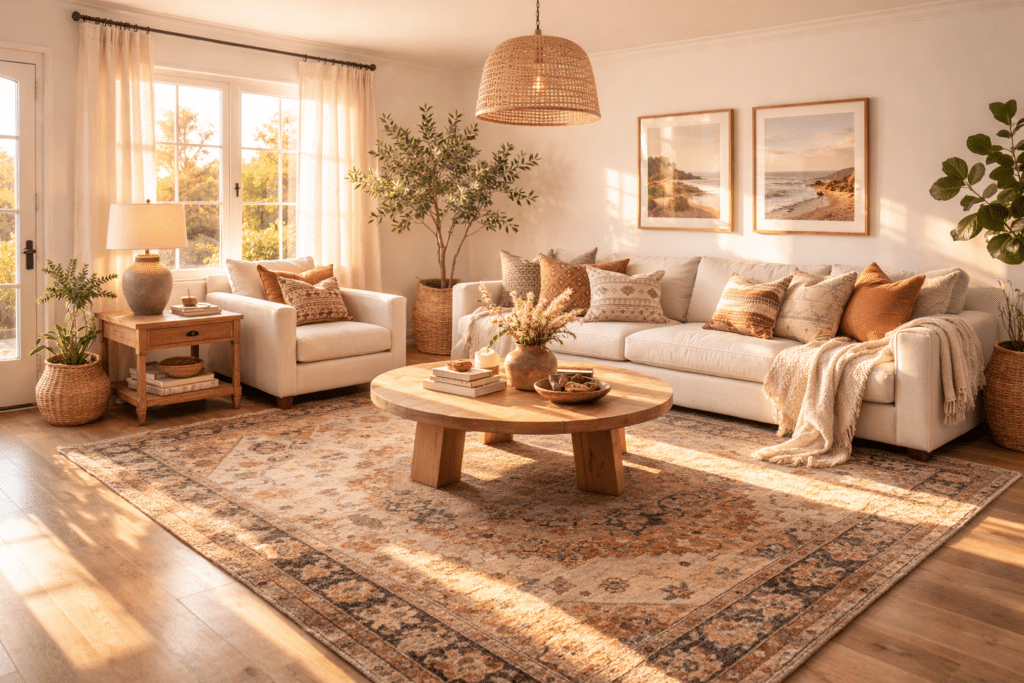
Frequently Asked Paint Color Questions
Here are the most common questions homeowners ask about choosing paint colors, and some practical answers to help you move forward with confidence.
A: Paint colors are heavily influenced by lighting and surrounding materials. Store lighting is very different from the natural and artificial light in your home, which is why colors often look different once they’re on the wall. This is why testing your samples the right way matters so much.
A: Fewer than you think. Testing too many colors at once often creates more confusion, not clarity. A good process helps you narrow options before testing, so the samples you try are already strong contenders instead of random guesses.
A: In most cases, paint should come after you’ve identified key furnishings or finishes — not before. Paint is flexible, but furniture, flooring, and countertops are not. Choosing colors in the right order prevents costly mistakes and helps everything work together.
A: Paint colors don’t exist in isolation, especially in open layouts or connected spaces. Even when rooms are different colors, they should relate through undertones and intensity. Thinking about the bigger picture helps your home feel cohesive instead of choppy.
That fear is incredibly common — and it usually comes from not having a clear process to follow. When you understand how to evaluate colors and why certain choices work, confidence replaces guesswork. You don’t need perfect instincts — you need a repeatable method.