Have you ever chosen what you thought was the perfect paint color in the paint store…only to get it home and discover that it looks totally different? Or maybe you loved the paint color at your friend’s house, but when you tried a sample of it on your walls, it wasn’t what you expected?
You’re not imagining it, and the answer is almost always because of lighting.
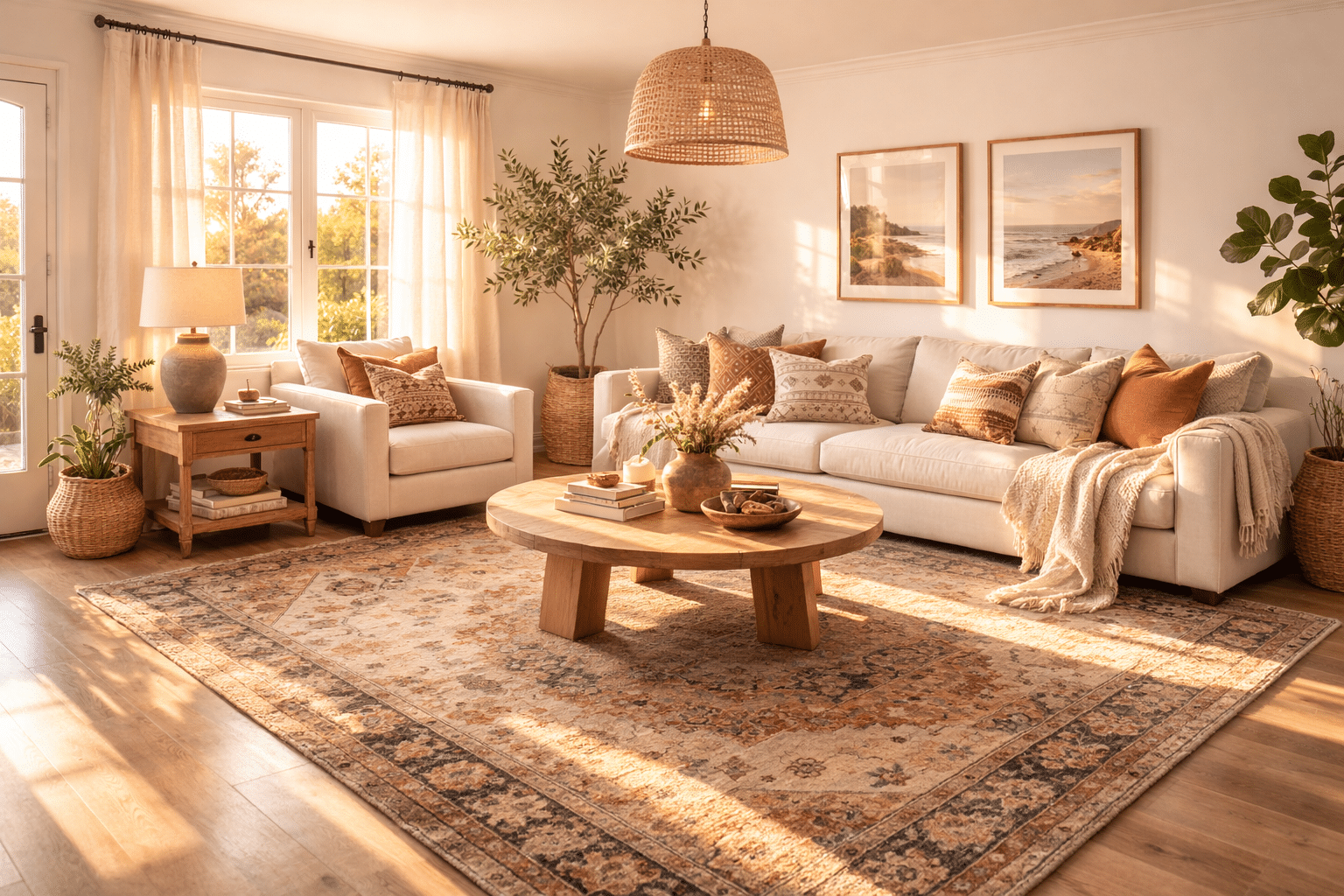
Lighting affects paint colors in your home, and not just a little. Dramatically. And once you understand how lighting affects different colors, you’ll have a much better sense of which colors will work best in your home.
Let’s break this down in a way that actually helps you make better decisions.

Why Paint Color Changes More Than You Expect
Paint color doesn’t live on a tiny chip under perfect lighting fixtures in a paint store. It lives on your walls, surrounded by windows, flooring, cabinets, and your specific type of lighting.
Color is light. What you see is simply light reflecting off a surface and back into your eyes. When the kind of light changes, the color changes.
This phenomenon is sometimes called metamerism — a technical term that simply means the perception of color shifts under different lighting conditions.
It’s why:
- Your gray can look blue at night
- Your beige looks green in one room but creamy in another
- Your white feels dull in the morning and warm in the late afternoon
- Your paint color looks different on the wall than it did on your paint samples
The color didn’t change. The light did.

FREE Resource for You!
Struggling to choose the perfect paint colors for your home? Grab my FREE guide “5 Steps to Choosing the Perfect Paint Color” and learn the exact process I use as a designer to select colors that actually work in real homes.
No more guessing. No more swatch overload. Just confidence!
👉 Click here to download it now
The 3 Types of Light That Change Paint Color
There are three types of light that matter most when it comes to paint colors.
1. Natural Light (Direction Matters)
Natural sunlight and natural daylight are the truest light sources, but they change based on the time of day, constantly shifting from sunrise to sunset.
Light changes:
- From morning to late afternoon
- From summer to winter
- On cloudy vs clear days
- Based on how much light enters the room
- Depending on which direction the room faces
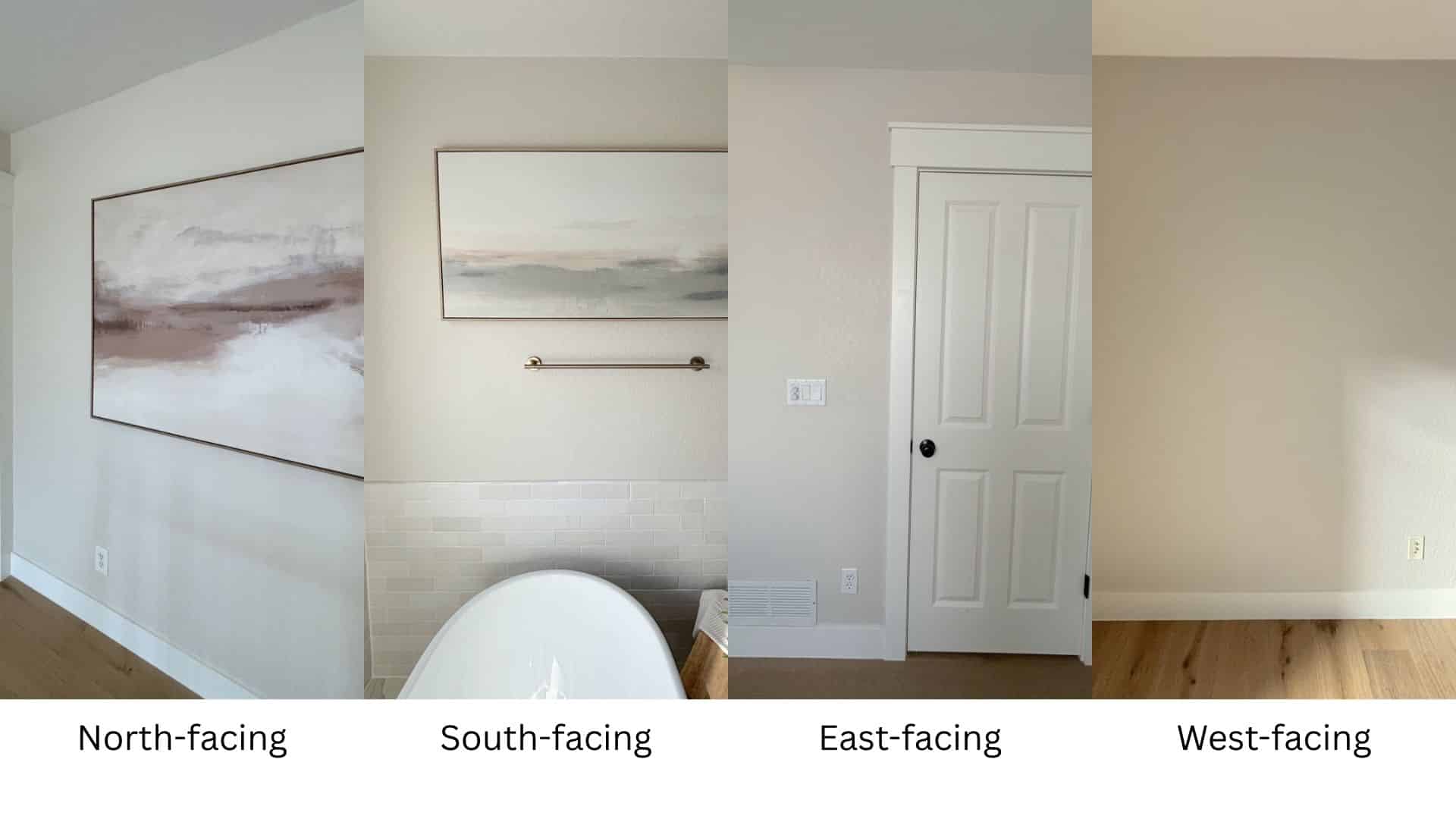
This is why north-facing rooms behave differently than south-facing rooms, even with the exact same wall color. Here’s a great example of the same paint color (BM Pale Oak) used in different rooms of the same house (pictures taken at the same time of day). Can you see the subtle color shifts?
North-Facing Rooms
North-facing rooms receive cooler tones of natural light. It’s indirect and steady, but it tends to emphasize cooler colors and blue undertones.
That means:
- Warm paint colors may feel flatter
- Cool tones may feel stronger
- Light colors can appear more muted
- Dark colors can feel heavier
When choosing paint for north-facing rooms, adding a color with subtle warmth usually is best to balance out the cooler undertones of north-facing light.

South-Facing Rooms
South-facing rooms receive the most direct sunlight and the greatest amount of light throughout the day. Because there’s so much natural sunlight, these rooms tend to feel brighter overall.
In a south-facing room, lighting often casts a warmer tone. This warm light enhances the undertones of warm colors, brightens darker colors, and can cause very light colors with a high light reflectance value to feel washed out.

East-Facing Rooms
East-facing rooms get soft, slightly warm light in the morning and cooler tones later in the day. Afternoon light also tends to be dimmer, casting heavy shadows into the room.
An east-facing room paint color may feel cheerful and warm at breakfast but cooler and more subdued in the afternoon.
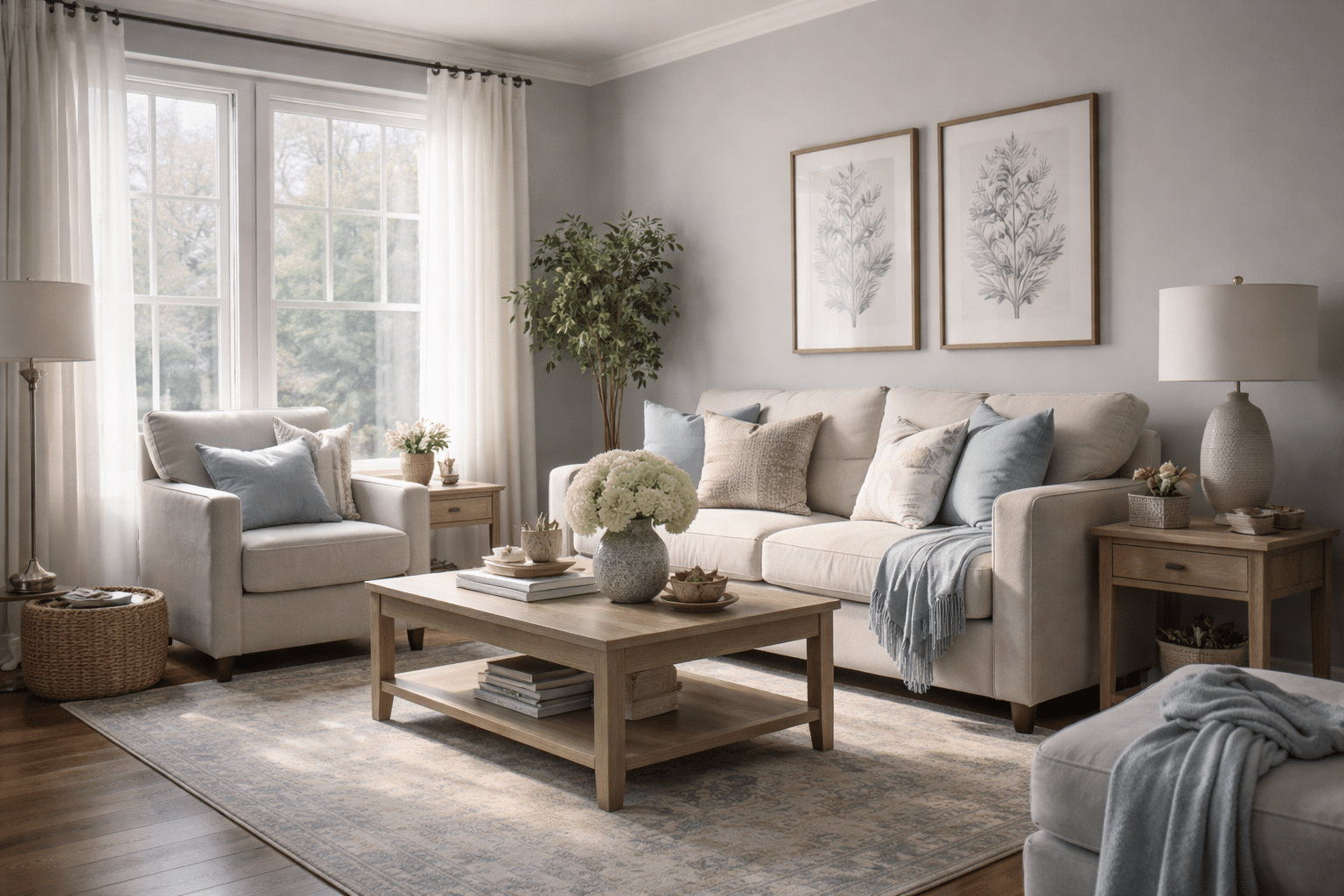
West-Facing Rooms
West-facing rooms feel cooler in the morning and then warm dramatically in the late afternoon and evening.
Warm tones become much more saturated as the sun sets. Cooler colors may end up looking more neutral, or even lean warmer, in the afternoon.
This is why the same wall color can look completely different from room to room in your home.

2. Artificial Lighting (Bulb Temperature Matters)
Once the sun goes down, artificial lighting takes over, and it plays a major role in how paint color changes its appearance.

Different types of artificial lighting include:
- Incandescent bulbs
- Halogen bulbs
- Fluorescent lights
- Modern LED bulbs
Incandescent bulbs and halogen bulbs produce warm light that enhances reds and yellows and softens cool colors. Fluorescent lights often enhance cool colors and cooler tones while muting warm paint colors.
LED lighting varies depending on the Kelvin rating, which is a measure of color temperature:
- 2700K – Warm light
- 3000K – Soft warm white
- 4000K – Cooler tones
- 5000K – Very cool, daylight-style light

So if your living room paint suddenly feels icy at night, it may not be the paint. It may be the kind of light your lighting fixtures are producing.
Matching your paint to the right type of lighting is often the best way to prevent frustration. Check out my post on lightbulbs and color temperature for help choosing the right artificial lighting for your home.
3. Reflected Light (The Most Overlooked Factor)
Light doesn’t just come from windows and table lamps. It bounces off of:
- Wood floors
- Cabinets
- Countertops
- Furniture
- Adjacent rooms
- Landscaping outside
If you have warm-toned wood floors or cabinets, they can warm up the appearance of colors on your walls. If you have lush green landscaping outside, that green can reflect indoors onto your walls.
Reflected light is often why your paint color looks different in your main room than it does in a hallway. Or why the color looks different near the window than it does on the opposite side of the room. It’s also why darker colors sometimes feel more intense in smaller spaces with less light.

Why Undertones Show Up More in Certain Lighting
Undertones are the subtle colors beneath the surface, and when light changes, those undertones often become more noticeable. Whites, grays, taupes, greiges, and slightly cool colors are especially reactive.
For example:
- A gray with blue undertones will look bluer in north-facing rooms.
- A beige with green undertones may feel greener in shadow.
- Warm paint colors can look more yellow in strong south-facing rooms.
- Cool tones can feel sharper under fluorescent lighting.
This is why a neutral color doesn’t always look neutral in every room.
It’s important to understand your lighting conditions and the undertones of the paint colors you’re considering to help narrow down options for your space. Understanding undertones, and how light affects paint color, is what separates guessing from choosing the perfect paint color for your room.
Light Reflectance Value (LRV) — Why It Matters
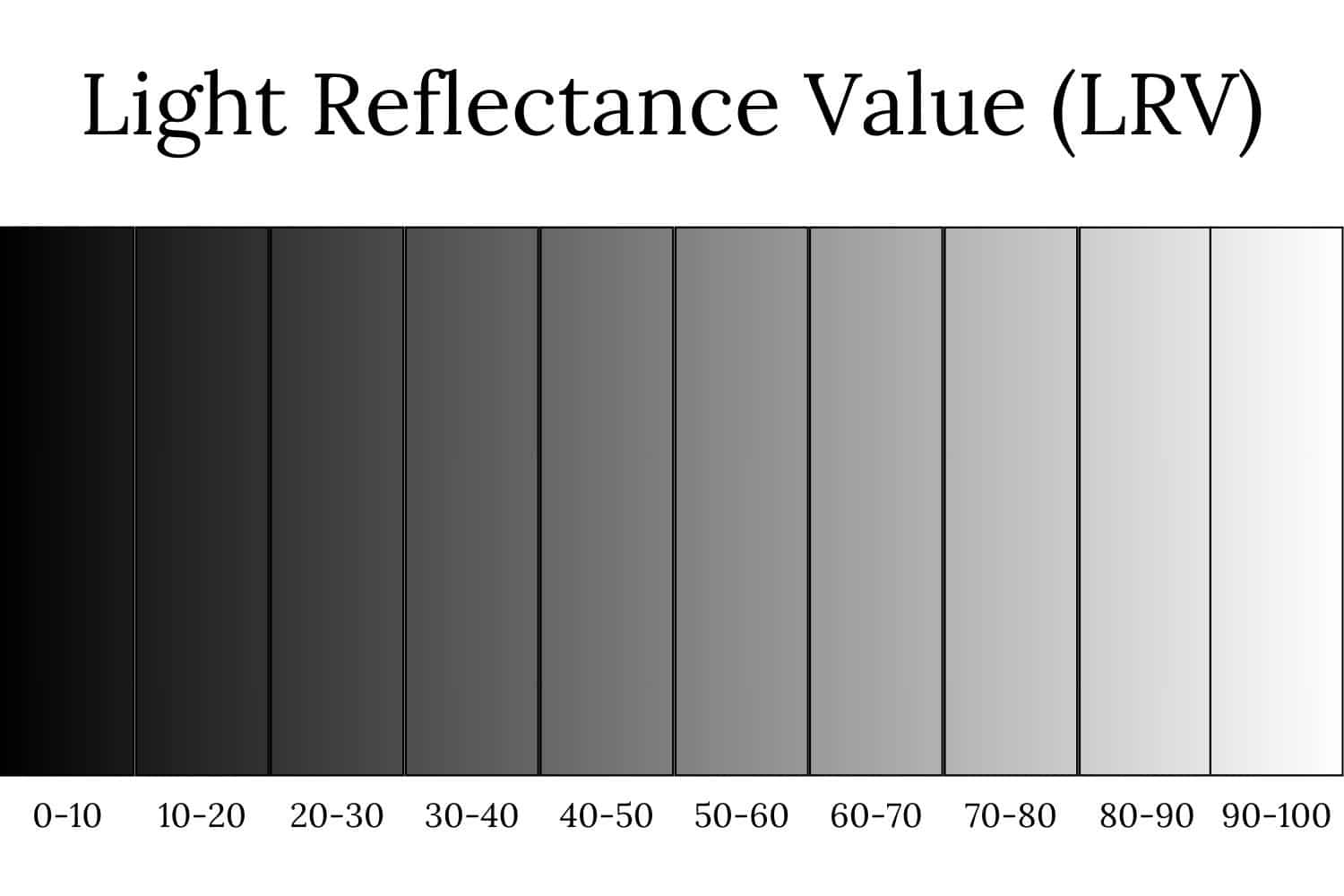
Light Reflectance Value, or LRV, measures how much light a color reflects. Lighter colors have a higher light reflectance value and reflect more light. Dark colors have a lower value and absorb more light.
In rooms with less light, darker colors can feel heavy. In rooms with a large amount of light, very light colors can feel washed out. Therefore, if you have a room with limited natural light, you may want to choose a color with a higher LRV.
LRV doesn’t determine undertone, but it does impact the appearance of colors and how much light they bounce around your space.
The Best Way to Test Paint Colors
The best way to avoid paint colors mistakes, or costly repainting is to test properly. You don’t want to rely on tiny chips from the paint store to make your paint color decisions.
Here’s what to do instead:
- Get peel-and-stick sample sheets (or paint large boards with real paint samples)
- Move your samples around the room
- Look at them in natural daylight and artificial lighting
- Check them at different times of day
- Observe them with table lamps and overhead lighting to see the effects
Because color perception shifts with the time of day, the amount and direction of natural light in the room, and the type of artificial lighting in your home, these steps are key to choosing the right paint color.
Expert Tip: I recommend living with your samples for at least 48 hours before committing. That will give you a good feel for how the color will look, and prevent paint color regret.

What to Do If Your Paint Already Looks Wrong
Before you repaint your living room or main room, pause for a moment. You may be able to fix what’s bugging you about the color with a few tweaks. If not, be sure to take time to consider what paint color and undertones will work better in your space.
Here’s a checklist you can use:
- Change the bulbs. Switch to a softer warm light (around 3000K) and reassess.
- Evaluate how much light the room receives.
- Identify whether the undertone is pulling warm or cool.
- Consider adjusting one shade lighter or darker.
- Re-evaluate reflected light from floors and furnishings.
Often, the paint color itself didn’t fail you. Because the room color changes as the light changes, you may not have chosen the best color for that particular room. Understanding how lighting affects paint color allows you to adjust strategically, instead of starting over and guessing.
The Bottom Line
Paint doesn’t randomly betray you. It’s usually your lighting that wreaks havoc on your colors, changing their appearance.
But, lighting affects paint color in predictable ways. Once you understand how natural sunlight, artificial lighting, reflected light, and undertones interact, you can choose the perfect paint color for your space.
Learn to Choose Paint Colors with Confidence
If you want a clear, step-by-step method for choosing paint colors that actually work in your home’s lighting, I teach that inside my course How to Choose Paint Colors with Confidence.
👉 Learn more about the course here.
Because you shouldn’t have to paint twice.
Explore the Paint Hub Page
If you’re researching paint colors, undertones, or whole-home palettes, I’ve organized all of my best paint resources in one place.
From white paint guides to exterior color combinations, you can find everything inside my Paint Hub page.