
We’ve all saved Pinterest rooms and thought, “Yes. That’s it. That’s exactly what I want my house to look like!”
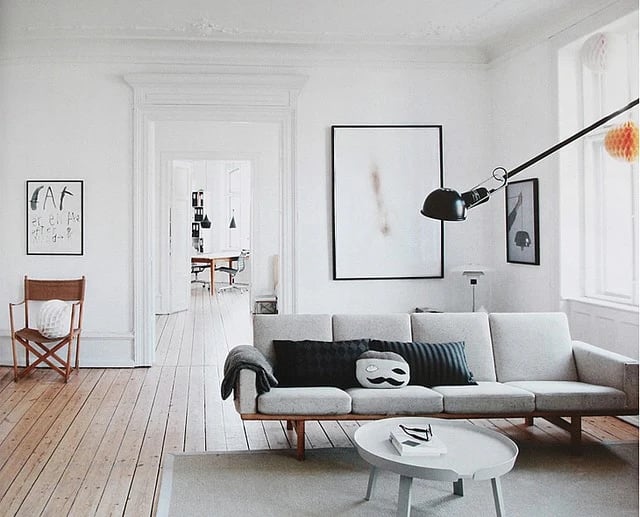
Pinterest is full of beautiful spaces. Calm, cohesive rooms. Perfectly layered sofas and beds. Coffee tables styled just right. It makes decorating look simple…almost effortless.
And yet, when you try to recreate that same look in your own home, something feels off.
The paint color doesn’t look the same.
The furniture feels awkward.
The room looks “ok,” but not quite right.
And that’s usually the moment people start thinking:
“Maybe I’m just bad at decorating.”
You’re not.
What’s failing isn’t you…it’s your approach.

The Pinterest Problem (It’s Not What You Think)
Pinterest isn’t the enemy. I use it all the time as a designer and homeowner.
The problem isn’t where you’re getting inspiration – it’s how Pinterest rooms are being used.
Most homeowners try to copy the finished picture, without realizing that the photo is the last step of a much longer process.
Pinterest rooms are not instructions….they’re outcomes.
And when you skip the steps that lead to that outcome, the result almost always feels disappointing.
Why Pinterest Rooms Look So Good
Here’s what most people don’t realize about those beautiful photos:
They weren’t created one decision at a time.
Pinterest-worthy rooms are designed as complete systems. That means:
- The layout was planned first
- The lighting was intentional and layered
- The color palette was coordinated across every surface
- Furniture was chosen for scale and proportion
- Finishes were repeated thoughtfully
- Styling happened at the very end (and usually just for the photo)
Nothing in that room is random, and nothing was chosen in isolation.
So when someone tries to pull one piece out of that system (a rug, a sofa, a paint color) and drop it into a totally different home with different lighting, different architecture, and different furniture…it rarely works the same way.
That doesn’t mean the idea was bad, or the inspiration was wrong. It means the actual design and context are missing.
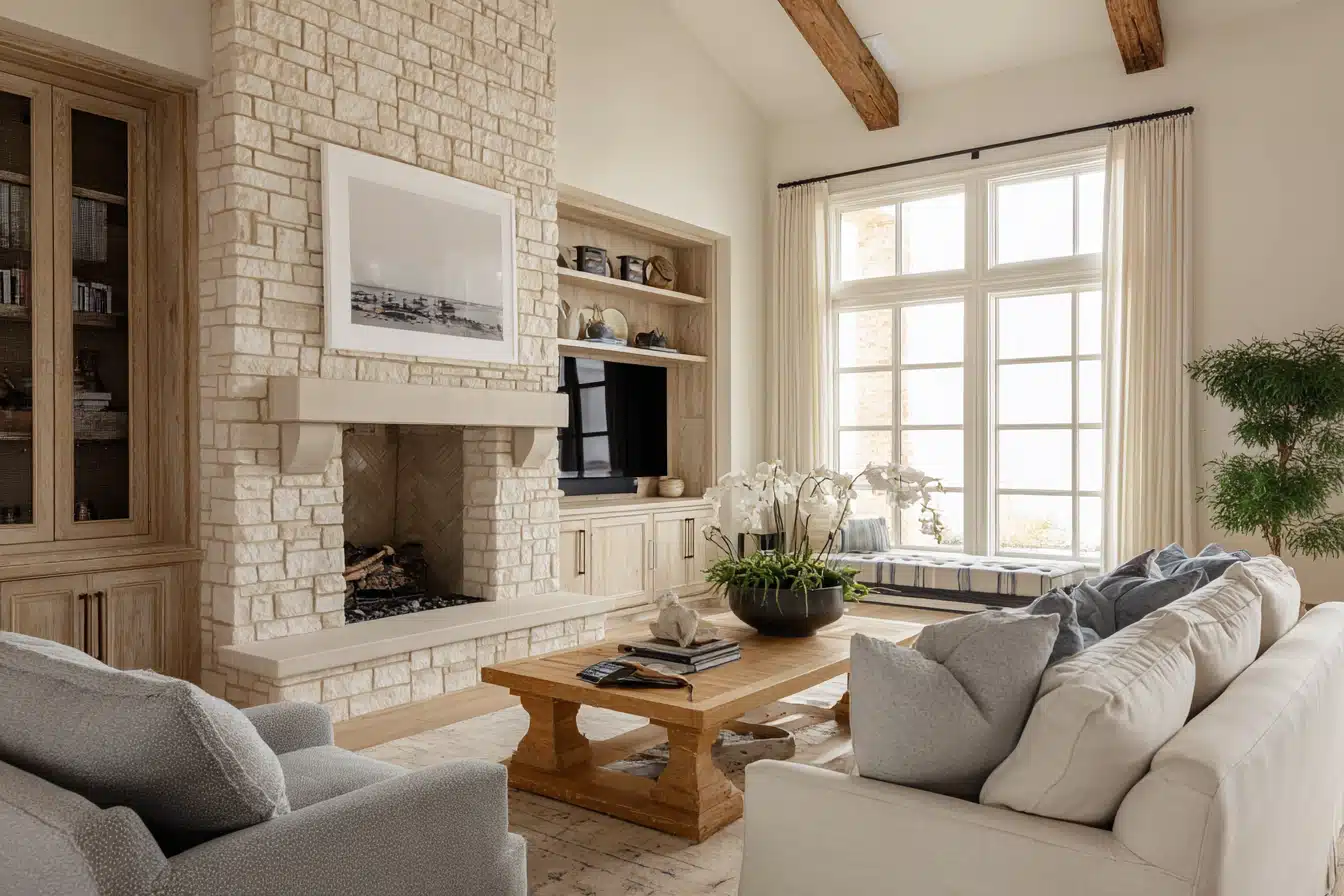
Why Copying Pinterest Rooms Fails in Real Homes
Real homes come with constraints and unique challenges that Pinterest doesn’t show you.
You’re working with:
- Existing furniture you’re not replacing all at once
- Fixed layouts and doorways in different places
- Real lighting (not professional photography lighting)
- Kids, pets, storage needs, and daily life
Pinterest rooms don’t show:
- The rest of the house, and how this room fits in
- The rooms next door, so you can see how things flow
- The decisions that came before the photo
So when people copy a room exactly — same paint color, same rug, same coffee table — they’re often copying the wrong part of the design.
They’re copying the visible elements and the little details…not the structure underneath.
The Real Issue: Decorating Without a System
Here’s the part I wish more people understood:
Most decorating frustration doesn’t come from a lack of creativity or having bad taste.
It comes from making decisions out of order…or not following the steps necessary to plan out the decor ahead of time.
Pinterest encourages people to start with decor and accent pieces, thinking that will result in a “perfect” room. Designers start with function, style, color relationships, and fundamental decisions that will make the room look cohesive.
When you don’t have a framework or a process, every decision feels like a gamble. You second-guess yourself constantly. You buy things you like, but then find yourself wondering why they don’t work together.
That’s where the confusion and utter frustration comes in.
What to Do Instead of Copying Pinterest Rooms
You don’t need to stop using Pinterest. You just need to use it differently.
Instead of asking:
“How do I recreate this exact room?”
Ask:
“What is actually working here?” or “What specifically do I like about this room?”
Is it the colors, the lived-in vibe, the crisp, clean feeling…?
Look for things like:
- Is the room warm or cool overall?
- Which colors are being used (and repeated)?
- Are finishes mixed or kept simple?
- How is contrast being used?
- Are there a lot of pieces, or is it more minimal?
When you start analyzing patterns instead of products, everything changes.
You stop chasing random pieces, and you start building rooms that make sense in your home.

Why This Feels So Hard Without Guidance
Here’s something I see all the time:
Smart, capable homeowners who love home decor and beautiful spaces… but feel stuck when it comes to their own home.
Not because they lack creativity.
Not because they “don’t have an eye.”
But because no one ever taught them how designers think and what steps to take before you go shopping.
Once you understand:
- how to create cohesion
- how to choose colors strategically
- how to style a room intentionally
- how to avoid common mistakes
Decorating will stop feeling overwhelming and confusing. Instead, you’ll be able to create predicable results, in every room, with confidence.
You’re Not Failing — You’re Missing the Map
If Pinterest has left you feeling more confused than inspired, that’s a sign you’re ready for clarity. To decorate your home successfully, you don’t need more pins, more trends, or more shopping. You need a clear process for turning inspiration into real decisions — in your own home.
Ready to Stop Guessing?
If you want help turning inspiration into a plan that actually works, there are two ways I can support you:
👉 Watch My Free Training
I walk through why homes feel unfinished and the biggest mistakes keeping people stuck…and what to do instead.
This is the best place to start if you want clarity before you spend another dollar. Click here to watch the free training.
👉 Or, Book a Design Consultation With Me
Get one-on-one guidance on your room, furniture layout, paint colors, and decorating decisions. Click here to learn more about the Design Clarity Session.
Either way, the goal is the same:
Confidence. Clarity. And a home that finally feels like it all belongs together.
Pinterest can inspire you.
But understanding the process is what will actually get you there.



Such a refreshing read on Welsh Design Studio—this really hit home. I love how you explained that Pinterest rooms are “outcomes, not instructions.” It makes so much sense why copying them never quite works in real life.
Honestly, the idea of focusing on why a space works instead of copying every detail is such a game-changer. This gave me a totally new perspective on decorating—more thoughtful and way less frustrating.