
If you’ve ever walked from your living room into your dining room and thought, “Why does this feel like a totally different house?” You’re not alone! Most homeowners want a cohesive home. They want their home to feel calm, connected, and stylish. But instead, the house feels a little…disjointed. Each room may look fine on its own, but the entire home doesn’t quite come together.
Here’s the truth most people don’t realize:
A cohesive look isn’t about matching furniture or copying rooms you see on Pinterest. It’s about creating flow or a common thread that runs through your own home…room by room.
Let’s break down what actually creates a cohesive interior design, and how to achieve it in a practical, repeatable way.
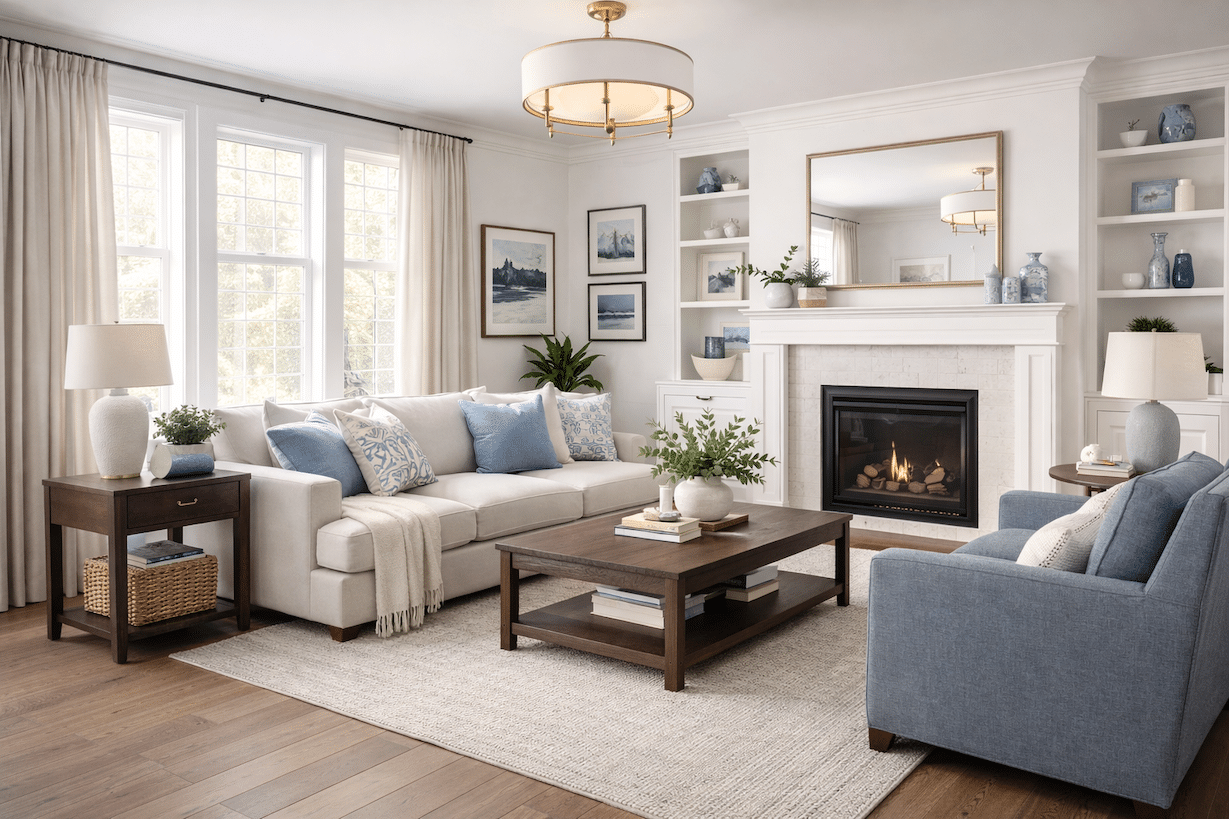
What Does “Cohesive Home Decor” Really Mean?
A cohesive home doesn’t mean every room looks the same. It means every room looks like it belongs to the same house.
Interior designers think about cohesion as:
- Visual continuity
- Intentional repetition
- Consistent design choices
Each space can have its own personality, but there should be enough shared elements that your home feels like one connected story. When cohesion is missing, the home feel is often described as:
- Random
- Busy
- Choppy
- “Something’s off, but I can’t explain it”
Let’s fix that!

Why Most Homes Don’t Feel Cohesive
Here’s where most people go wrong. They decorate room by room, without a plan for the rest of the house. Pinterest boards fill up with beautiful spaces, but those images often represent different homes, styles, and color schemes.
The result?
- Too many different colors
- Competing wood tones
- Mixed metal finishes
- Lighting that doesn’t relate from space to space
A cohesive interior design starts by zooming out, not in.
The Easiest Way to Create a Cohesive Home
The bet way to create a cohesive home is to start with a whole-home framework. Before choosing furniture or wall color, decide on these four anchors for your entire home:
1. A Main Color Palette
When choosing a main color palette for your home, think about choosing one main neutral color (your foundation) and 1–2 supporting colors. For example, maybe your main neutral color is a greige (mix of beige and gray), and your supporting colors are blue-gray and sage green.
This doesn’t mean every room uses the same wall color or same exact colors in the decor. It means all of the colors relate to each other. Similar colors with shared undertones go a long way toward cohesion. The key is to repeat these same colors in different ways throughout the home.
Color is one of the most powerful tools for creating a cohesive look…especially in open floor plans and open concept homes.

2. Consistent Materials & Finishes
This is where most homes fall apart – too many different materials and finishes! To create cohesion:
- Repeat wood tones in at least 2–3 rooms
- Limit metal finishes to 1 or 2 (not 5 different ones)
- Use similar materials in different ways
For example you could use white oak in a coffee table, shelves, and flooring throughout your home. You could use brass in light fixtures, cabinet hardware, and mirrors. This repetition is a great way to quietly connect different rooms without being obvious.
3. A Clear Interior Design Style
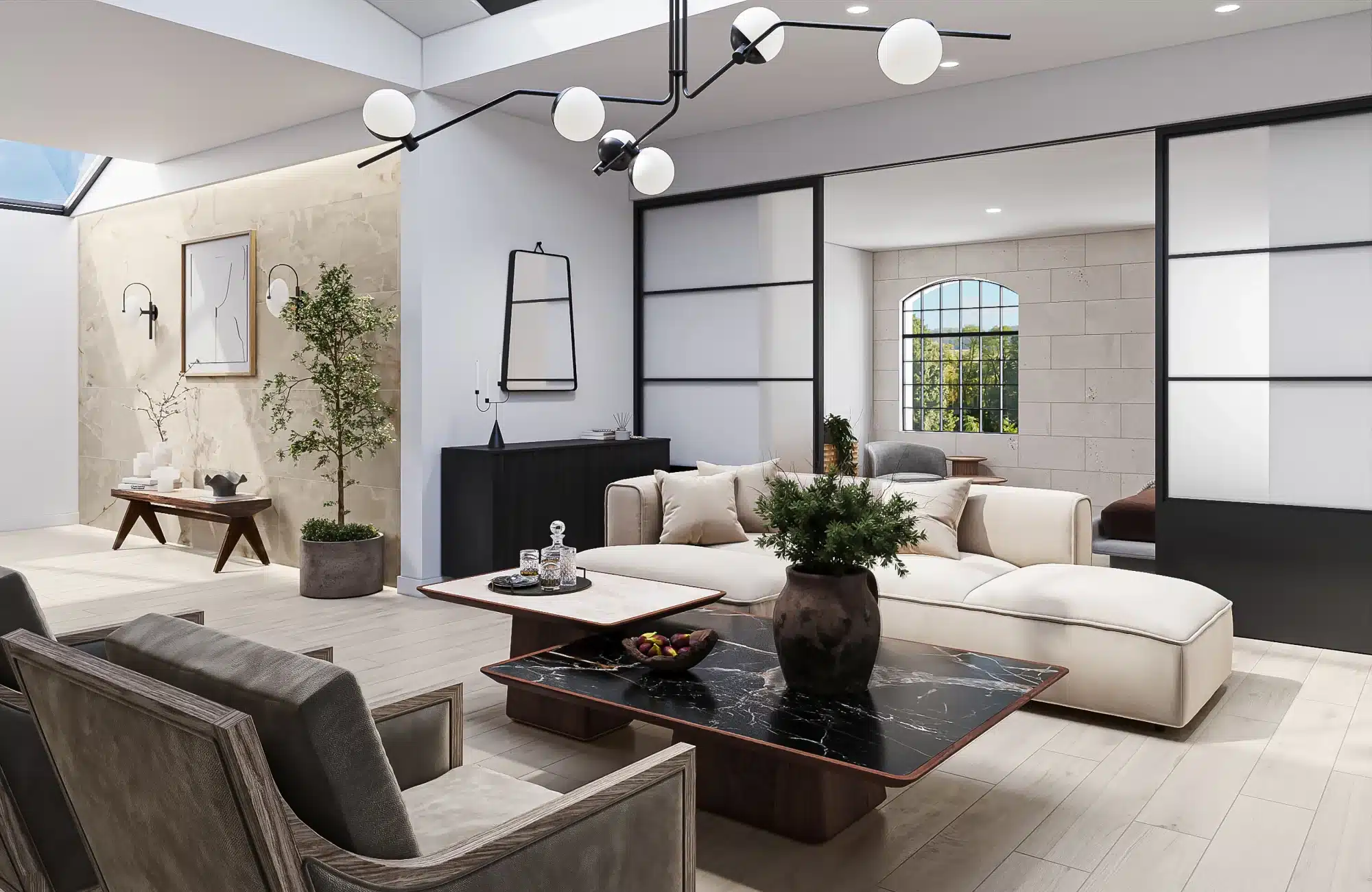
Similar to color, a clear decorating style is another key factor to achieving a cohesive feel in your home. Having a defined personal style isn’t about trying to fit in a box — it’s about giving you a direction, or guiding compass.
Different decorating styles (e.g., Transitional, Modern Farmhouse, Organic Modern) have certain key features that define them. These features include things like furniture shapes, materials, and color palettes. Once you’ve defined a decorating style for your home, your can use that style as a filter for your design choices.
Before buying anything ask yourself, “Does this fit the style of the rest of the house?”
That one question alone prevents most cohesive home design mistakes.

4. Consistent Lighting Choices
Lighting is one of the most overlooked elements of cohesive home decor. When an interior designer is designing a space, they’re looking for:
- Similar light fixture styles
- Consistent size/scale
- Repeated finishes
It’s not about having identical fixtures everywhere! You also don’t want wildly different lighting styles everywhere. The key is having lighting fixtures that are consistent with each other in style and finish.

How to Create a Cohesive Look Room by Room
Living Room → Dining Room
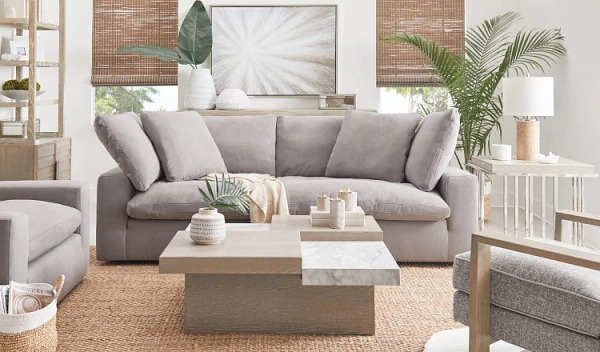
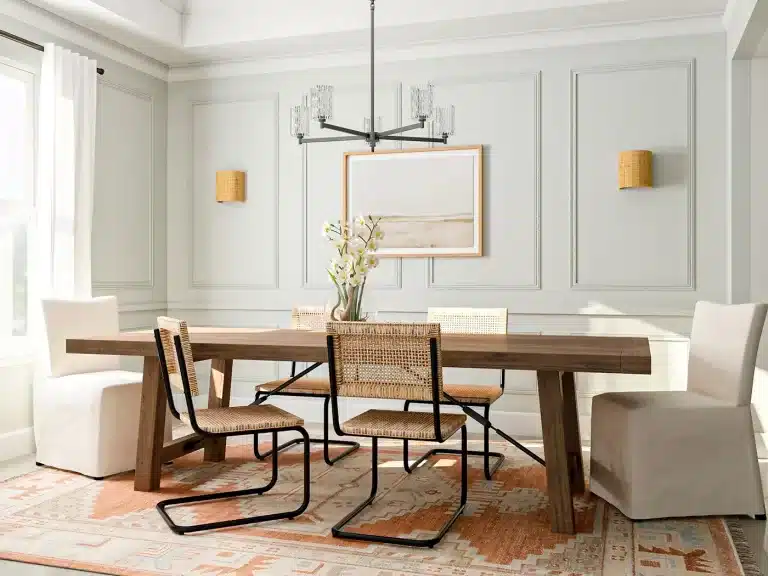
These two rooms are often next to each other, especially in an open concept home. You want these spaces to feel related, but not identical.
Here are some tips for creating flow between a living room and dining room:
- Carry the same main color into each room (could share the same wall color)
- Or, use the same overall color palette in both rooms, but make one of the accent colors from the living room be the main color in the dining room
- Repeat wood tones and/or metal finishes
- Use art or textiles that reference similar colors
- Ensure consistent use of style between the two spaces

Kitchen → Open Concept Spaces
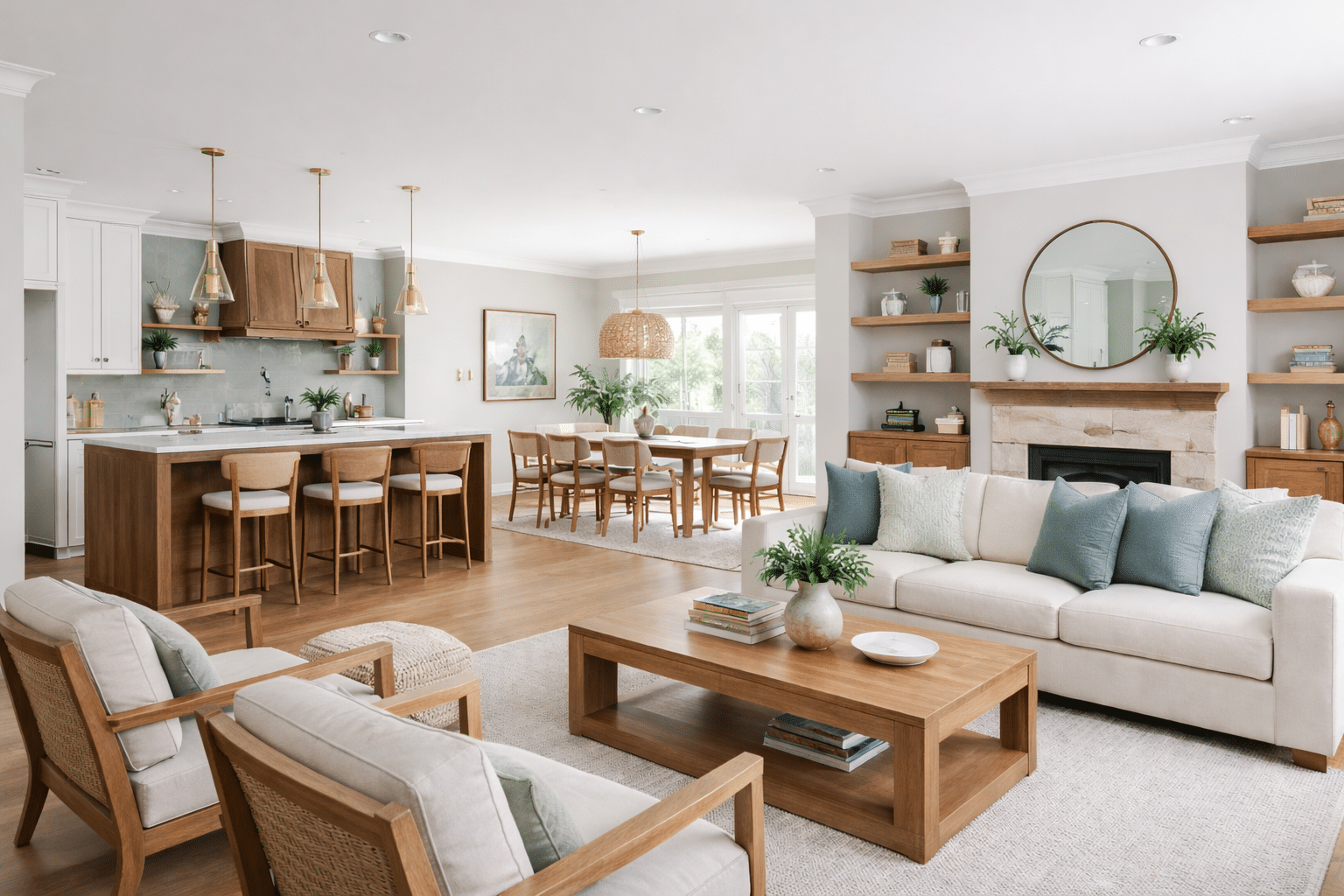
In open floor plans, a cohesive design is critical! When it comes to creating a similar look and feel between the kitchen and adjacent spaces in an open concept home, there are several areas to focus on:
- Cabinet wood tone compliments other furniture pieces
- Cabinet paint color relationship to the overall color palette
- Countertops that don’t fight nearby finishes
- Consistent lighting styles
- Flooring continuity (this is a big one!)
If your kitchen materials are warm-toned, but your open concept living space is mostly cool-toned, things will look mismatched. This is where focusing on a cohesive design makes things visually smoother.
Guest Room vs Main Spaces
Guest rooms can be lighter or simpler than your main spaces, but they should still feel like part of the same house. Think about what colors you may want to repeat in your guest room spaces. In guest rooms, it’s best to keep:
- Similar wall color family as the main spaces
- Related wood tones
- Familiar metal finishes
- Consistent style to the main spaces
The Role of Pinterest (And How to Use It the Right Way)
Pinterest is a great way to collect inspiration for home decorating, but it’s also one of the fastest ways to create a disjointed home.
If you blindly copy the designs of your Pinterest inspiration images in your own rooms, you run the risk of having each room in your home look like it belongs in a different house.
Here’s a better approach:
- Create one Pinterest board for your entire home
- Look for patterns in what you save (what is it about each picture that you’re drawn to?)
- Identify common threads (colors, materials, styles)
Once you know the common threads, you can use your Pinterest board to guide your design choices…not override them.
A Quick Cohesive Home Checklist
Here’s a set of questions you can ask yourself to help create a cohesive home:
- Do my paint colors and color palettes relate to each other?
- Are my metal finishes intentional and repeated?
- Is the style of my home consistent in adjacent spaces?
- Do my wood tones belong to the same color family (they don’t have to match exactly)?
- Is lighting consistent throughout the rest of the house?
- Does each room feel like it belongs to the same house?
If you answer “no” to more than one, that’s where you need to focus your efforts. Even a few small changes can make a big difference!
Why Cohesion Matters More Than Trends
If one thing is certain in interior design, it’s that trends will come and go. Cohesive homes don’t focus so much on trends, as they do on feeling timeless. A cohesive look:
- Makes your home feel calmer
- Helps design choices feel easier
- Prevents wasted money
- Makes even modest updates go a long way
- Helps your home look “finished”
And the best part? You don’t have to do everything at once. Start with color and style (the most important things), and then choose one area to focus on at a time (wood tones, metal finishes, etc).
Final Thoughts: Cohesion Is About Clarity
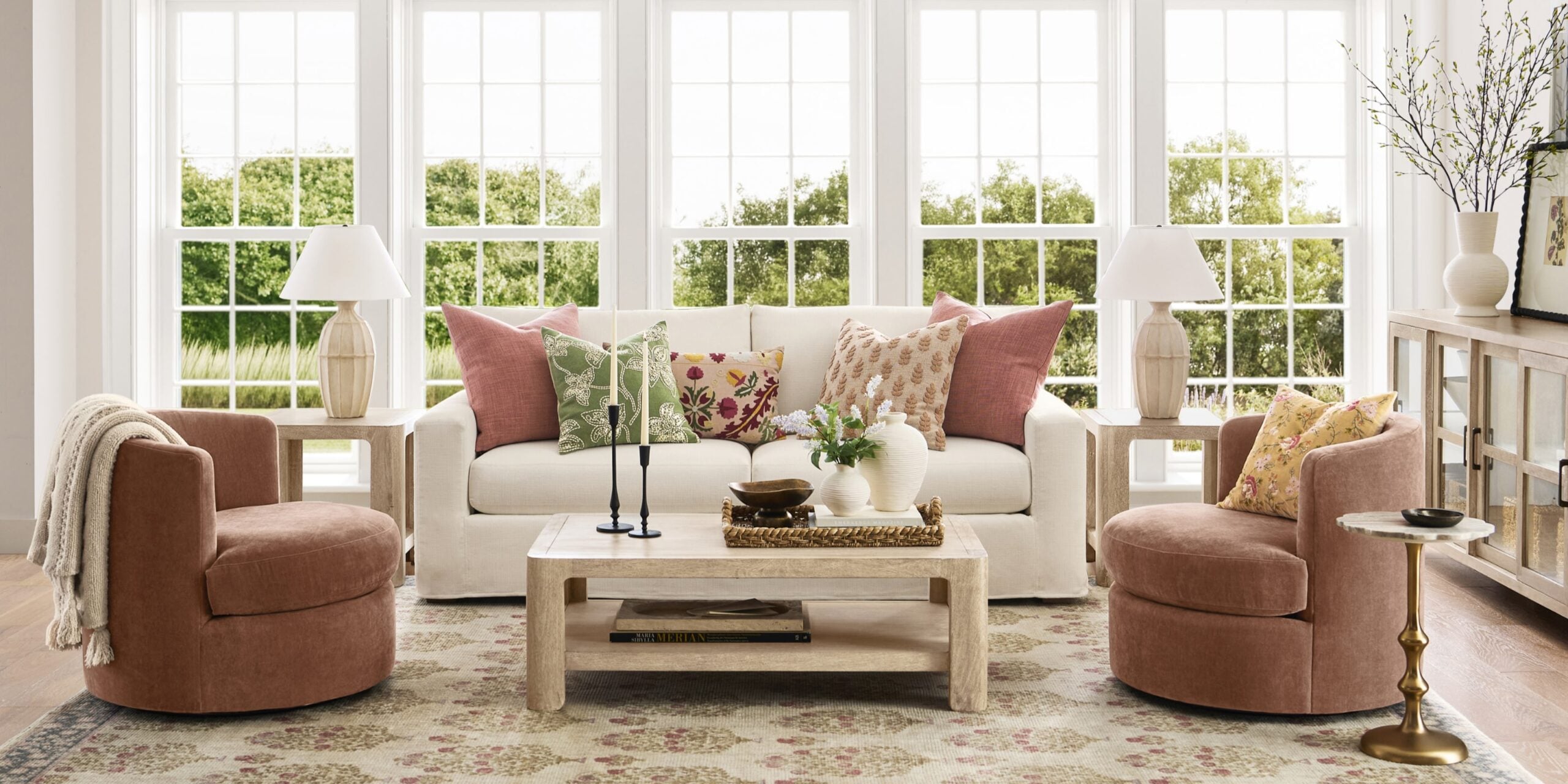
A cohesive home isn’t about perfection. It’s about clarity and consistency.
When your color scheme, materials, lighting, and style work together, your home finally feels finished — even in separate rooms.
If you’ve been craving a home that feels connected instead of random, this framework is the easiest way to get there.
Want Help Creating a Cohesive Home?
If you’d like step-by-step guidance, my Secrets of Successful Decorating guide breaks down exactly how interior designers create cohesion — without overwhelm or expensive mistakes.
👉 Grab the free guide here and start seeing your home differently.






Really helpful tips here. A clear decorating style and thoughtful planning can make any home look more balanced and well put together.