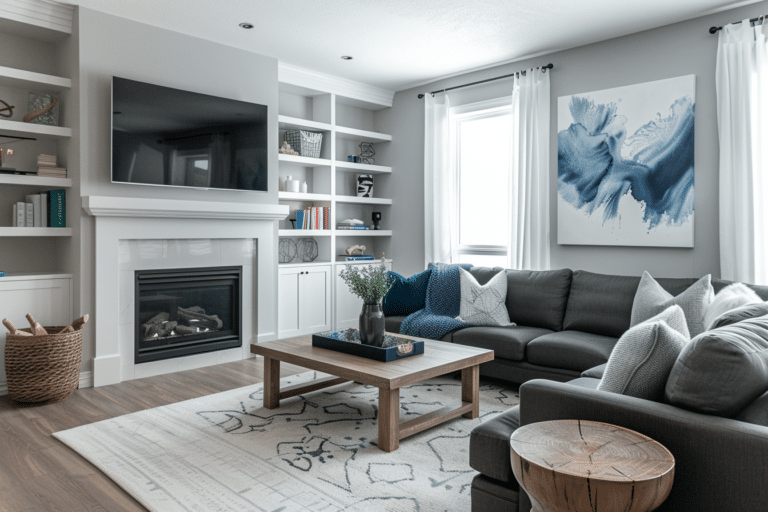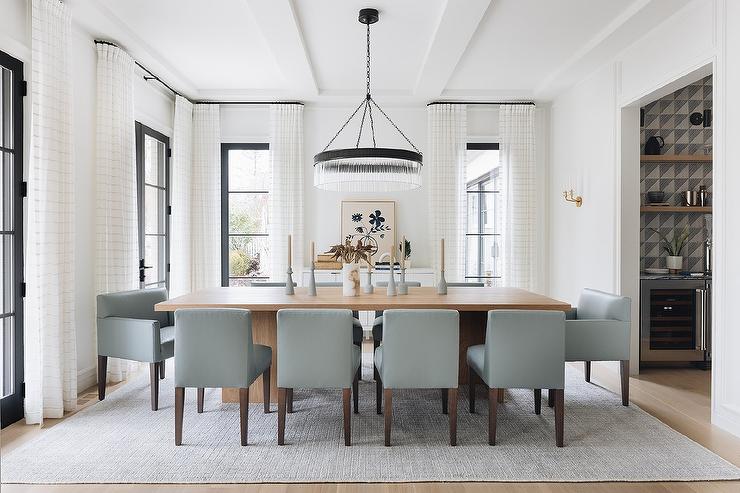
You’re ready to refresh your home—maybe it’s the dining room, or the living room that could use a style update. You’ve found a few furniture pieces you love, but now you’re stuck on the big question, “what wood tone should I choose?” Should it match your hardwood floors? Should it be lighter or darker than your existing furniture? And how do you know if mixing wood tones will look stylish and intentional… or just mismatched?
The good news is that you don’t have to match every wood color exactly to make a room look cohesive. In fact, the most beautiful, layered spaces often combine different wood tones, from light white oak to rich, darker woods, while keeping a consistent look through undertones and repetition. When it’s done right, mixing wood is a great way to add depth, warmth, and visual interest to your home.
This guide will walk you through the best ways to mix wood tones, answer common questions, and share expert tips to get a beautiful, balanced look in any room.
Why Mixing Wood Tones Works in Home Design
In nature, you rarely see just one type of wood. Just take a look around outside, and you’ll see different wood types, grains, and colors. Bringing that variety into your home’s design is a great way to add dimension and texture. When you get it right, mixing wood tones:
- Creates a layered, lived-in look
- Highlights architectural features in your home, and brings in natural elements
- Gives your space a sense of warmth and coziness
- Allows you to blend new wood elements with existing furniture
- Works in any style, from rustic farmhouse to sleek modern
The key is learning how to mix wood tones with intention. We want to do it thoughtfully, so we don’t end up with a mess of clashing furniture.
The good news is that there are simple steps you can follow to get it right. If you follow this formula, you’ll create a cohesive-yet-interesting room that looks like it was curated over time rather than looking like you bought a matchy-matchy furniture set.

Step 1: Identify Your Dominant Wood Tone
Before you start bringing in new pieces, you’ll want to identify the dominant wood tone in your room. This is your starting point. This is the color (or tone) that will anchor all other wood elements in the space.
In many homes, the dominant tone comes from the largest visual surface of wood that you see, such as:
- Hardwood flooring
- Built-in cabinetry
- A large dining room table or coffee table
- Wood ceiling beams or millwork (like window trim or wainscoting)
If your floor is covered by a large rug, your dominant wood tone might instead come from a major furniture piece like a sideboard or media console. The key is to choose the wood tone that’s most visually obvious in the room.
Once you’ve identified it, you can use this dominant tone as your baseline for choosing additional wood pieces. If your dominant tone is a warm medium oak, for example, you might bring in a darker walnut coffee table and a lighter white oak accent chair – all with the same warm undertones. More on that in the next section.

Pro Tip: You don’t have to love your dominant wood tone for this process to work. Even if it’s a floor color you wouldn’t have chosen, you can make it work by layering in other tones and repeating the undertone throughout the room. Maybe you have dark wood floors, but you want the room to feel light and bright. You can accomplish that by bringing in lighter wood furniture pieces.
With your dominant tone locked in, you’re ready for the next step…adding contrast for visual interest.
Step 2: Add Contrast for Visual Interest
Once you’ve identified your dominant wood tone, it’s time to layer in contrast. Mixing wood tones isn’t just about variety for variety’s sake. Contrast is what makes a space feel dynamic and interesting rather than flat.
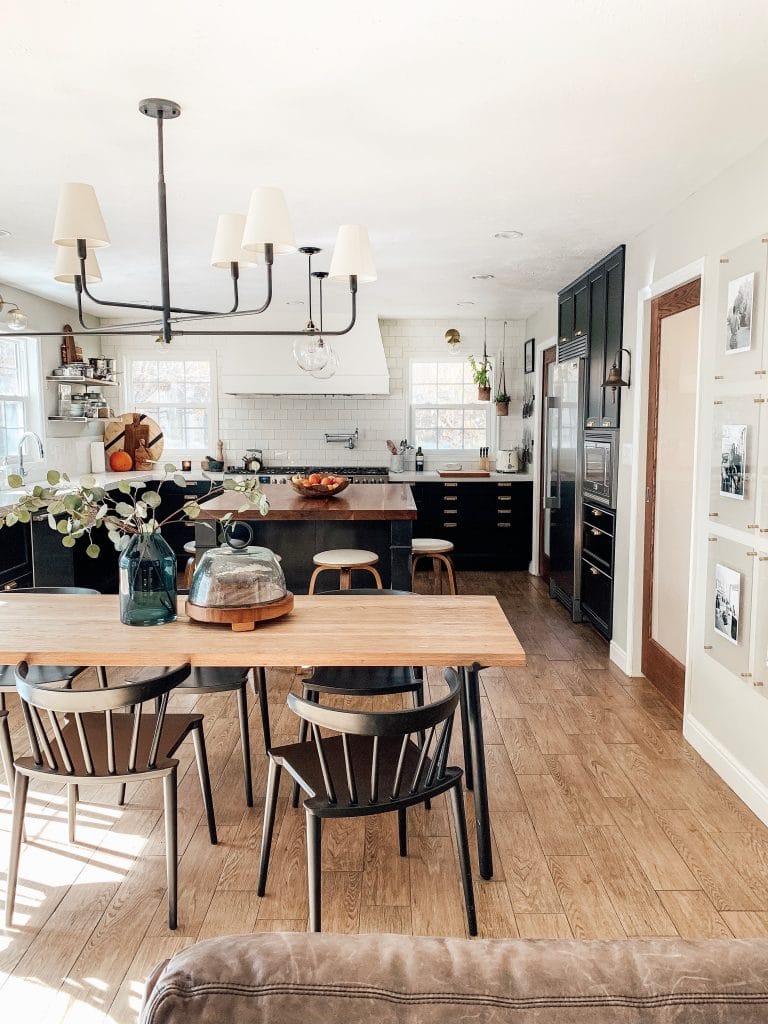
The easiest way to think about contrast is in terms of value — how light or dark the wood is compared to your dominant tone. If your floors are a medium-toned oak, try adding a lighter wood coffee table and a darker wood side table. If your dominant piece is a light white oak kitchen island, consider pairing it with rich, dark wood chairs (like in the image below).
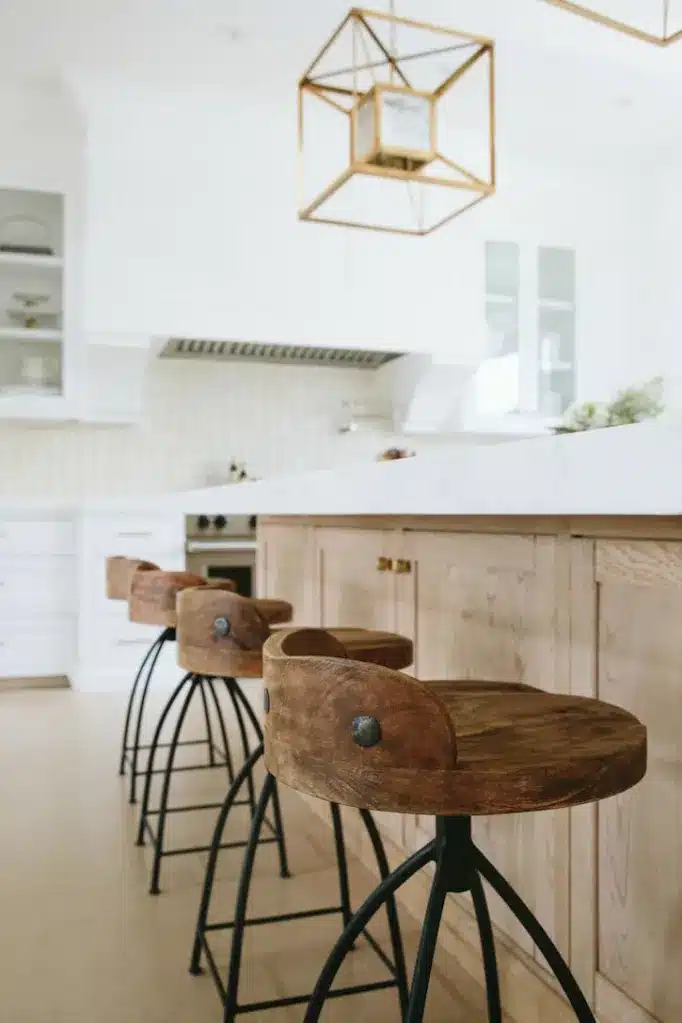
A balanced room often includes a mix of light, medium, and dark tones. This creates depth while making each piece stand out on its own. For a well-balanced combo, aim to have at least two contrasting wood tones in your space:
- Light (white oak, birch, pale maple)
- Medium (walnut, teak, mid-tone oak)
- Dark (ebony, espresso, dark walnut)
You can stick to just two tones if you want, but just make sure the difference between them is strong enough to feel intentional.
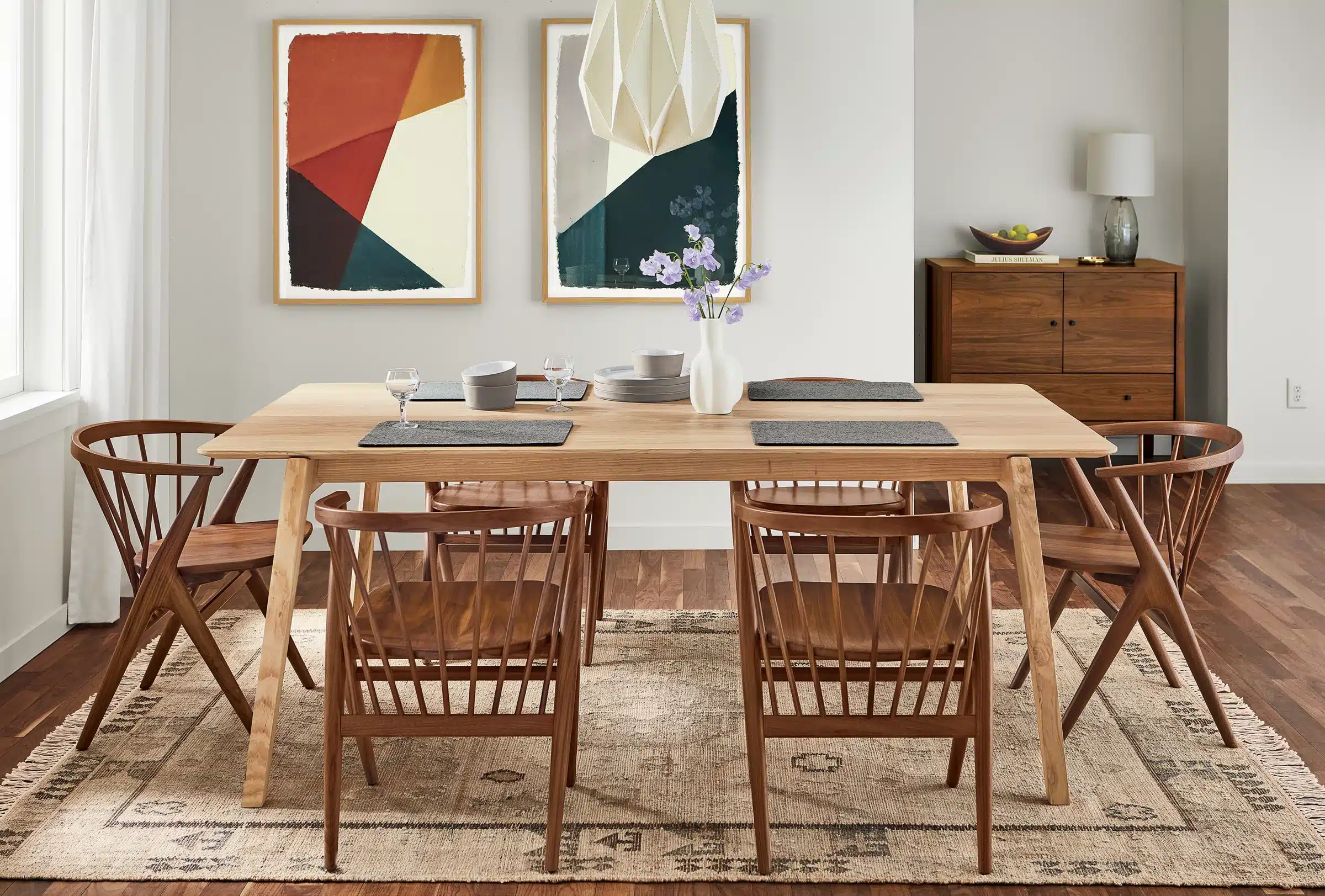
Pro Tip: Don’t overlook the size of each wood element. A large piece in a contrasting tone will make a bigger visual statement than a small accessory in that same tone.
Next, once you’ve decided how much contrast you want, you’ll need to make sure all your wood elements share a common thread, which is where undertones come in.
Step 3: Match Undertones for a Cohesive Look
Even if you nail your contrast, your room can still feel “off” if the undertones clash. Undertones are the subtle color tints in the wood – the warm golden hue of oak, the rich red of cherry, the grayish cast in weathered pine. Paying attention to these undertones is one of the best ways to make mixing wood tones look beautiful, and like it was done on purpose.
Most woods fall into three undertone categories:
- Warm tones – Think golden, honey, or reddish woods like red oak, cherry, maple, and mahogany. These warm tones work beautifully together and bring an inviting, cozy feel to a space.
- Cool tones – Woods with gray, black, or subtle blue/green tints, like ash, certain stains of walnut, and driftwood finishes. Cool tones often feel more modern and pair well with gray wall colors (which we saw a LOT of in the 2010’s).
- Neutral undertones – Some woods, like walnut and white oak, are versatile enough to work with both warm and cool tones because their color sits somewhere in between.
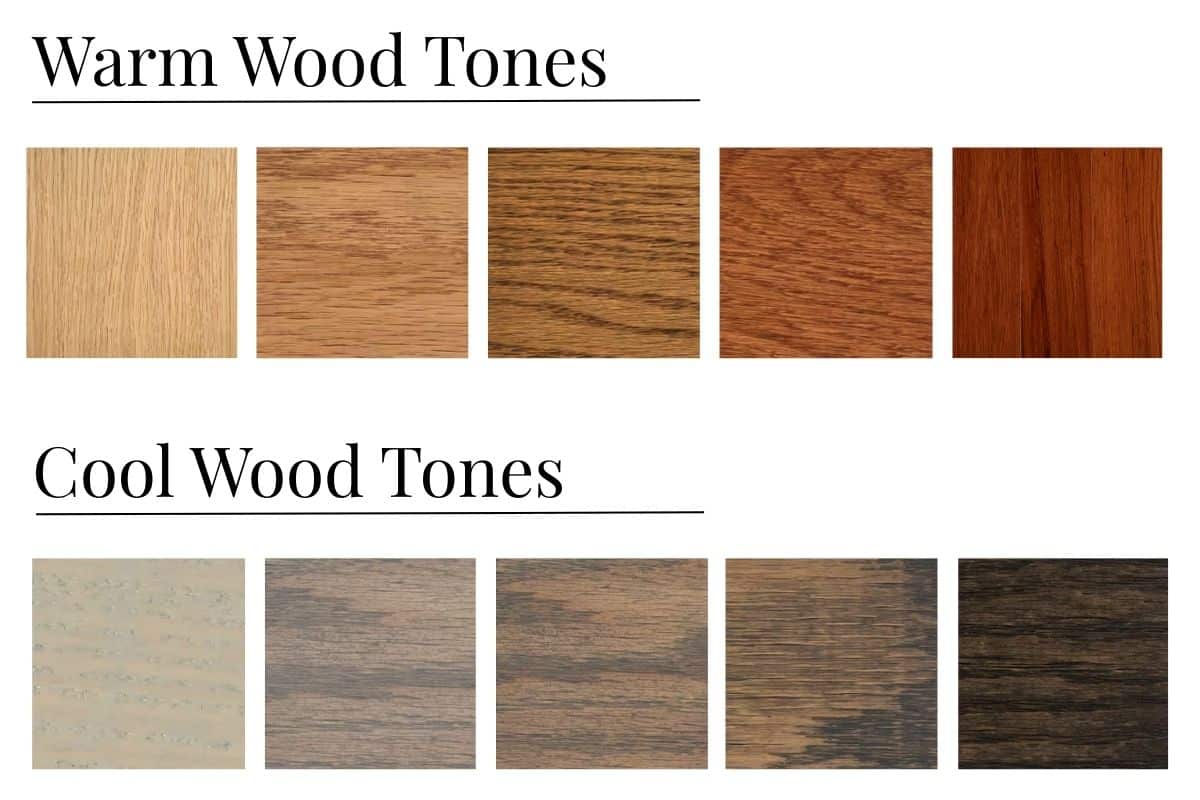
When you’re adding new wood colors to a room, whether it’s a coffee table, a dining table, or wood flooring, start by matching the undertone of your dominant wood tone. For example, if your floors have warm undertones, choose additional wood tones that also lean warm. If your largest wood element is cool, stick with other cool tones for a non-clashing look.
Pro Tip: If you’re unsure about undertones, place wood samples or swatches right next to each other in natural light. It’s the fastest way to see whether they’re working together or clashing.
Once you’ve aligned your undertones, the next step is to repeat your wood tones throughout the space so your design feels cohesive from every angle.
Step 4: Repeat Wood Tones for Balance
Now that you’ve chosen your dominant wood tone and matched your undertones, the next step is repetition. The idea is simple…every wood tone in your space should appear at least twice. This creates a visual thread that connects the elements in your room and makes mixing wood tones feel intentional instead of random.
For example, if you introduce a light wood tone in your coffee table, bring that same tone into a picture frame, side chair, or bookshelf. If your dining table is a darker wood, repeat that tone in your dining chairs, a console table, or even small accessories like a bowl or serving tray.
This doesn’t mean every piece has to be identical, just that the tone appears in multiple places so your eye recognizes it throughout the room. Accessories that incorporate both tones, such as a basket with a light and dark weave, will also help.
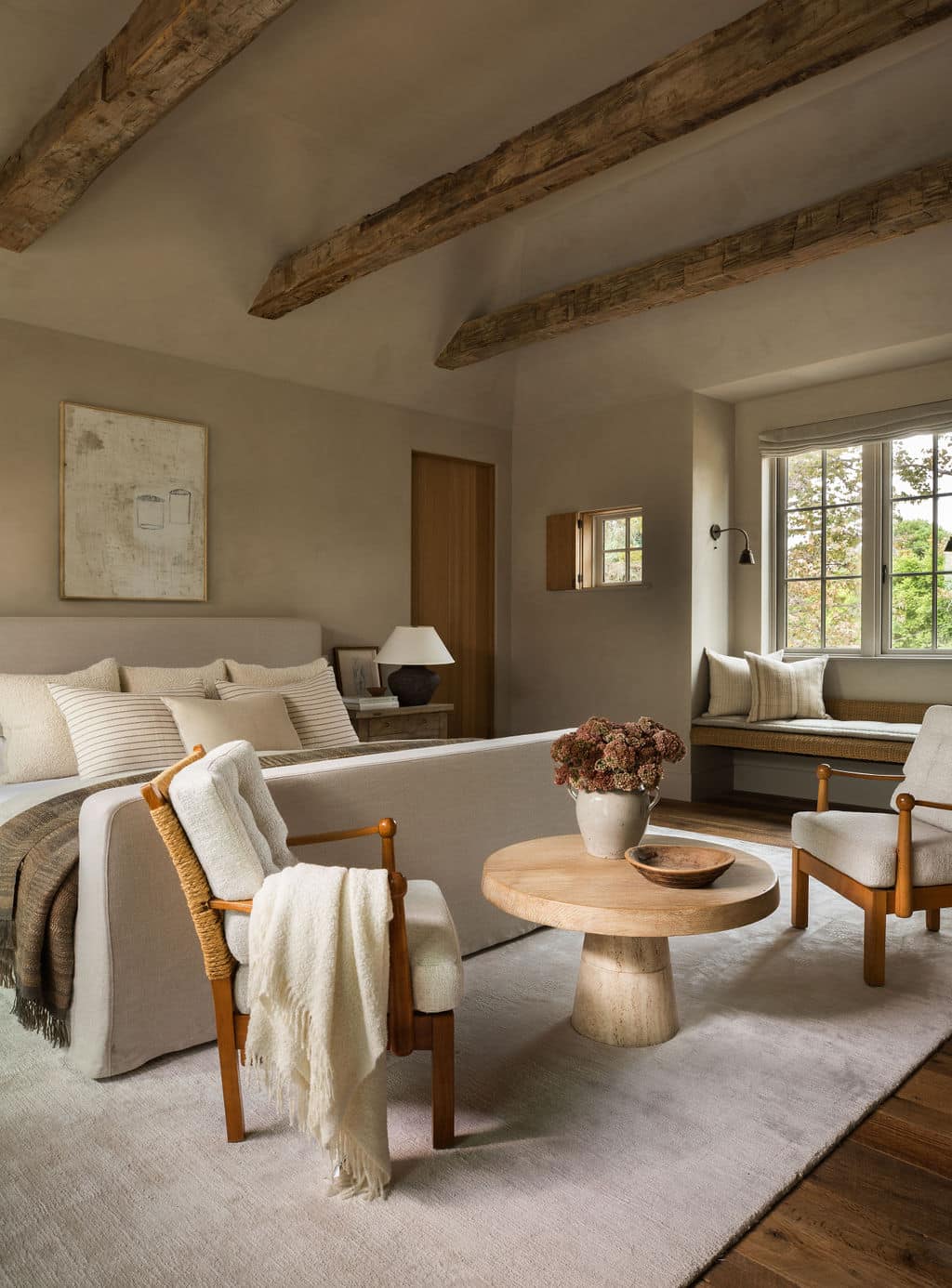
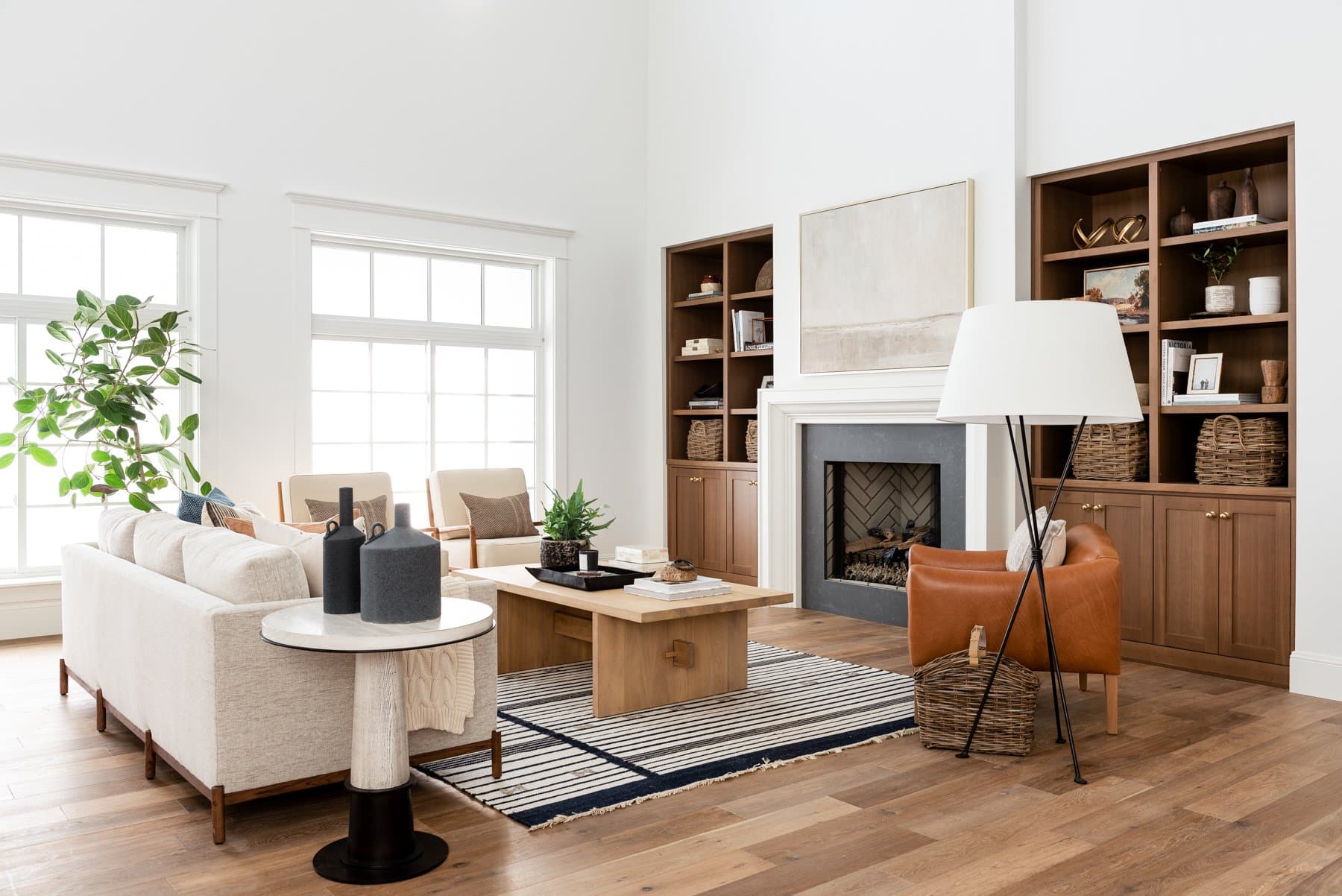
Check out the picture below. See how the darker wood tone of the table is repeated in the picture frame on the wall? This is a great example of repeating a wood tone in the space in an effortless way.

Step 5: Distribute Wood Tones Evenly
Placement matters just as much as repetition. Avoid clustering all your wood pieces of the same tone in one area, which could make the room feel unbalanced. Instead, spread them out so the colors are seen across the room.
In a living room, that might mean placing a warm oak side table opposite a warm oak picture frame on the far wall. In a dining room, it could be matching the tone of your dining room table with the buffet, rather than the dining room chairs.
The goal is to create a balanced look where your wood elements feel connected no matter where you stand in the room, but not clustered into one single spot.
How to Tie Light and Dark Wood Together
One of the most common questions is: Can you combine light and dark wood? Yes! And it’s one of the best ways to add visual interest in your rooms. The trick is making the contrast look intentional.
- Start with your dominant wood tone — often your floors or largest furniture piece.
- Add the opposite value (light if your dominant wood tone is dark, or dark if your dominant tone is light) to create contrast.
- Repeat both tones in multiple places so they feel connected.
- Optional: use an additional wood tone in between to bridge the gap if needed.
For example, white oak floors can look stunning with a dark walnut coffee table, especially if you repeat both tones in smaller wood elements like frames or shelving. Or a deep espresso dining room table can stand out against lighter wood chairs, with a medium-tone buffet tying it all together. The options are endless!

Can You Mix Cool and Warm Wood Tones?
Generally, it’s best to stick to one undertone family, but if you’re confident in your eye for design (or working with a designer), you can sometimes pull off mixing warm and cool woods. More often than not, however, mixing cool and warm wood tones together looks like a hot mess…so I don’t recommend it.
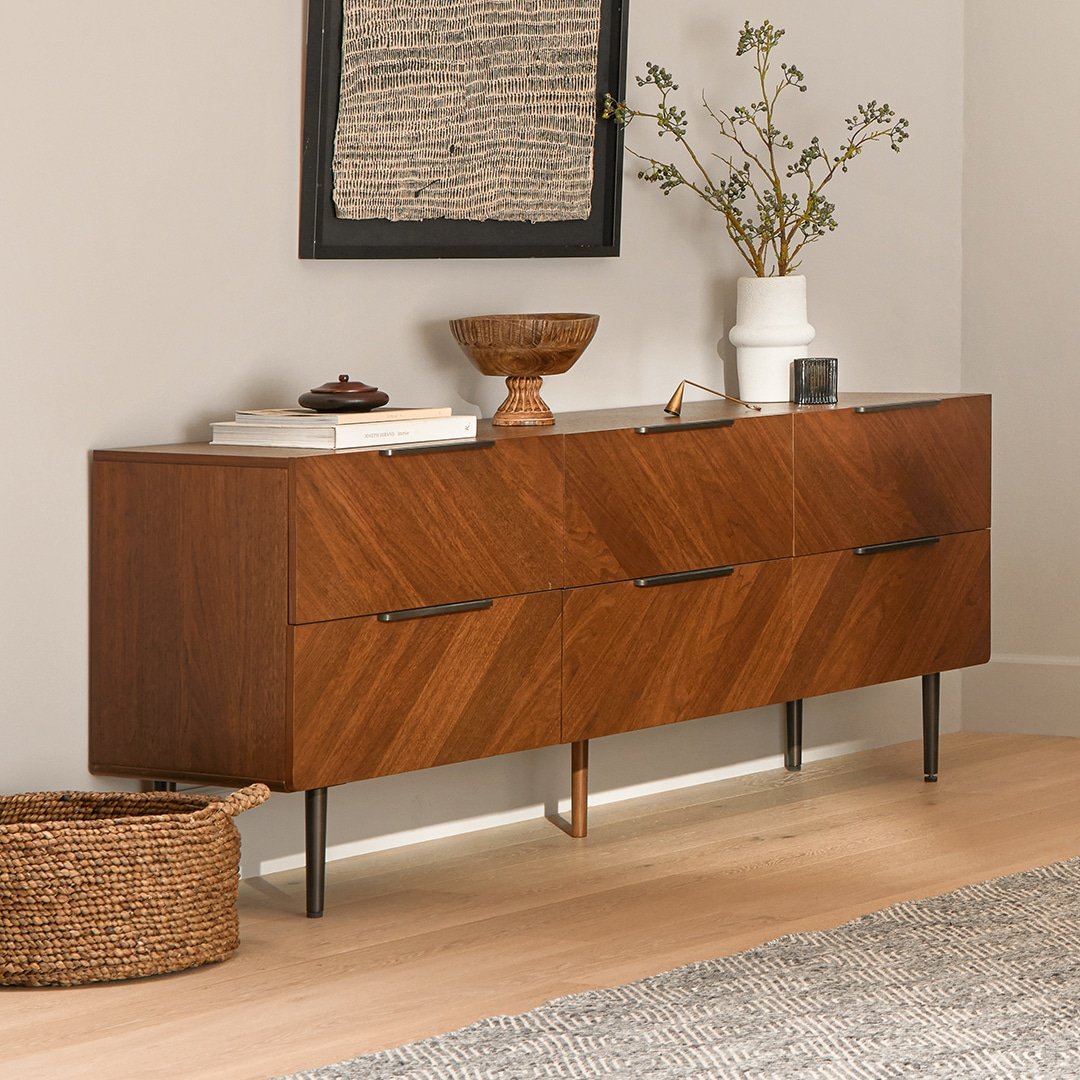
Is It Okay to Mix Different Types of Wood?
Absolutely! Mixing different wood species (oak, maple, cherry, walnut) is totally okay, and even encouraged. The species of wood really doesn’t matter as much as the color, value (light vs. dark), and undertone.
How to Mix Wood Tones in Different Rooms
Once you understand the basics of mixing wood tones, it’s time to apply them to specific spaces in your home. Each room has its own focal points, and knowing where to start makes all the difference.
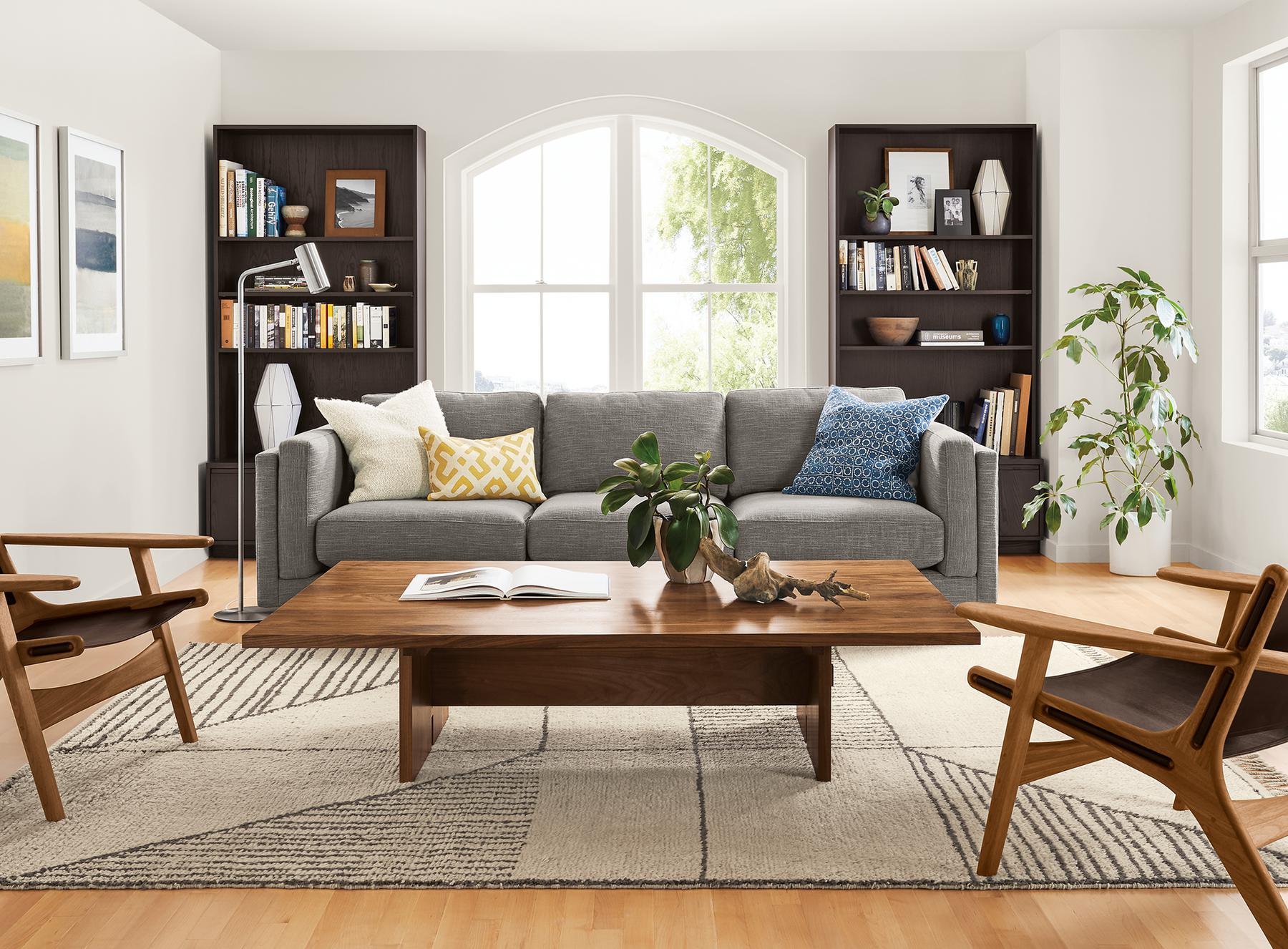
Living Room
Your living room often has several major wood elements: flooring, a coffee table, and perhaps a media console. Pick one as your dominant wood tone.
- Add light wood accents through side tables or open shelving.
- Bring in darker woods in picture frames, chair legs, or even lamp bases for contrast.
- Repeat each tone in at least two places to keep the space feeling cohesive.
Dining Room
The dining room table usually sets the tone – literally.
- If you have a white oak dining table, balance it with a darker wood buffet or sideboard.
- Chairs are a great way to add additional wood tones. They can match the table or introduce a subtle contrast.
- Let the flooring play a supporting role, either echoing one of the tones or bridging between them.
Check out my post on dining room decorating tips for more ideas.

Kitchen
Mixing wood tones in a kitchen is easier than it sounds, especially if you have a mix of cabinetry and flooring finishes.
- Treat your cabinetry or flooring as the dominant tone.
- If your cabinets are dark, introduce lighter wood stools at the island for contrast.
- Repeat undertones in open shelving, cutting boards, or even a wooden fruit bowl to tie the look together.
Check out my post on adding warmth to a white kitchen for more ideas about incorporating wood tones and similar colors into the kitchen.

Best Ways to Mix Your Wood Flooring with Furniture
If you have hardwood flooring, consider it your starting point. Then, layer in other wood pieces that contrast in tone or value.
- Avoid matching all of your furniture to your flooring exactly. It can make a space feel flat.
- White oak floors pair beautifully with walnut furniture, creating warmth and richness.
- For a balanced look, bring in a third tone through smaller accents like a side table, picture frame, or shelving.

Summary of Expert Tips for Mixing Wood Tones
- Start with the largest surface in the room (often the flooring or dining table) as your starting point.
- Mix in lighter or darker pieces for contrast.
- Try to repeat each tone at least twice for a balanced look.
- Layer in different wood tones through furniture, frames, shelves, and decor.
- Use natural elements like woven baskets or rattan to soften transitions between wood tones.
- When in doubt, add a white oak piece. Its versatile undertone works with almost anything!

Final Thoughts on Mixing Wood Tones
Mixing wood tones isn’t about following strict rules. It’s about finding the right shades, undertones, and balance for your own home and personal style. By choosing a dominant wood tone, matching undertones, introducing contrast, and repeating tones, you can achieve a nice balance that makes your room feel elevated and cozy.
Whether you’re styling a living room, choosing a dining table, or picking wood flooring for a remodel, these expert tips will help you create a room that feels timeless, layered, and full of natural elements. The kind of place you’ll never want to leave!
For more tips on creating beautiful rooms in your home, grab my FREE guide, “Secrets of Successful Home Decorating.” Just click the image below to download it today, and get 25 bonus tips!