
Choosing paint colors for a north-facing room can be frustrating. You find a color you love online, bring home paint samples and put them on the wall. But suddenly, that warm greige looks gray, and that supposedly “creamy” white looks cold and sterile.
If you’ve ever wondered why a paint color looked completely different in your home than it did in the paint store, you’re not imagining things. North-facing rooms are some of the most challenging spaces to paint because the quality of light coming into the room affects color more than most homeowners realize.
The good news is that once you understand how northern light works and which undertones tend to succeed (or fail), choosing the right paint color becomes much easier.
In this guide, I’ll walk you through exactly how north-facing light affects paint colors, what undertones to avoid, whether dark paint colors can work, and my favorite neutral paint colors for north-facing rooms.
Why North-Facing Rooms Are So Challenging
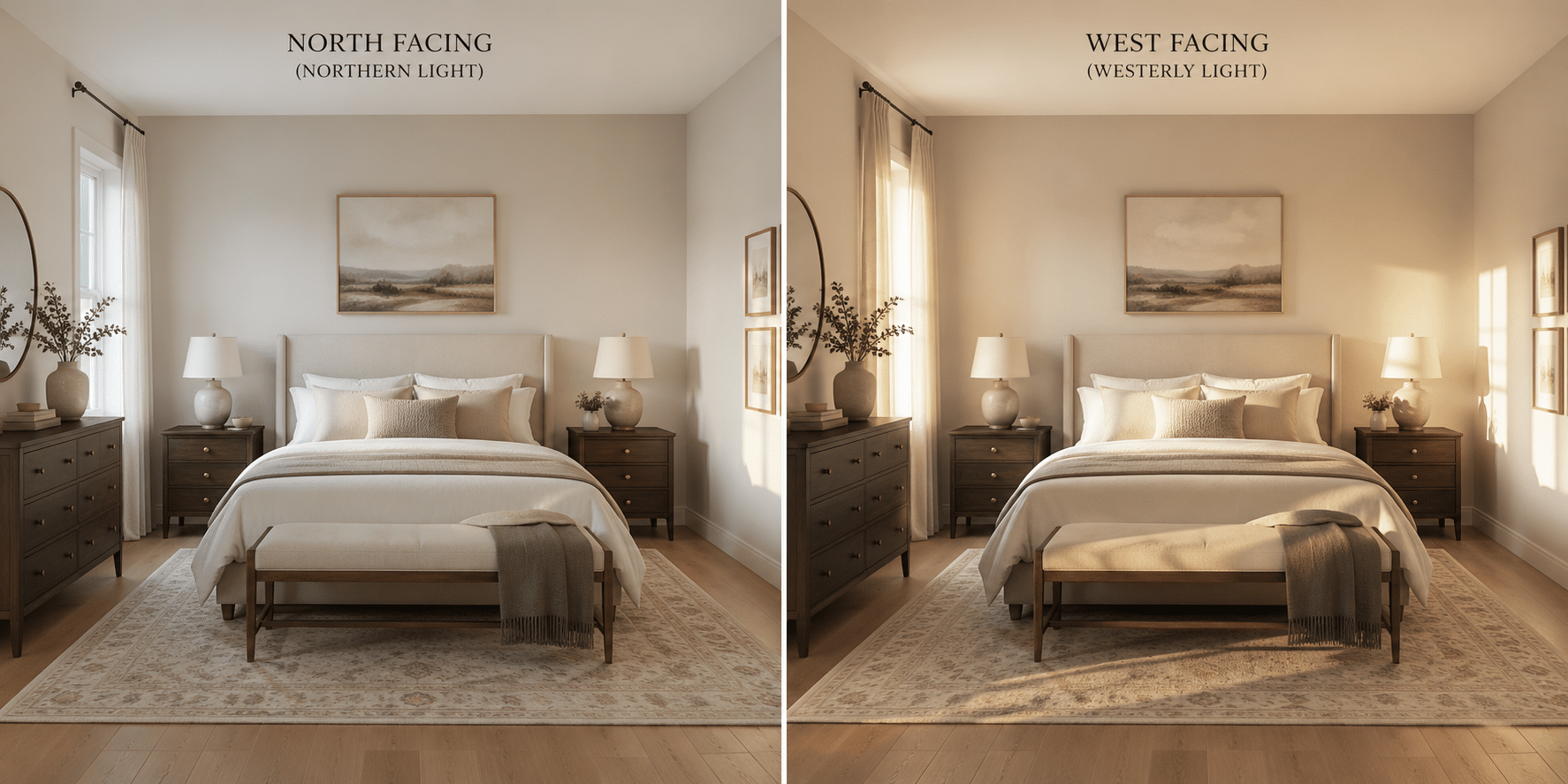
Most homeowners don’t realize that the direction your room faces has a huge impact on the way your paint colors look. A north facing room receives cool, indirect natural light throughout most of the day. Unlike a south facing room that gets abundant direct sunlight and warm natural light, north-facing spaces have a cooler light source. This north-facing light often has blue-gray qualities that can dramatically change how certain paint colors look.
As a result:
- Warm colors often appear more muted or gray
- Cool colors (blues, purples, some greens) can look even cooler
- White walls can feel stark or icy
- Gray paint colors can appear blue
- Greiges can reveal unexpected green undertones or even purple undertones
- Darker colors can feel heavier than expected
This doesn’t mean north-facing rooms are bad. It simply means you need to choose your paint colors more carefully.
Not All North-Facing Rooms Are the Same
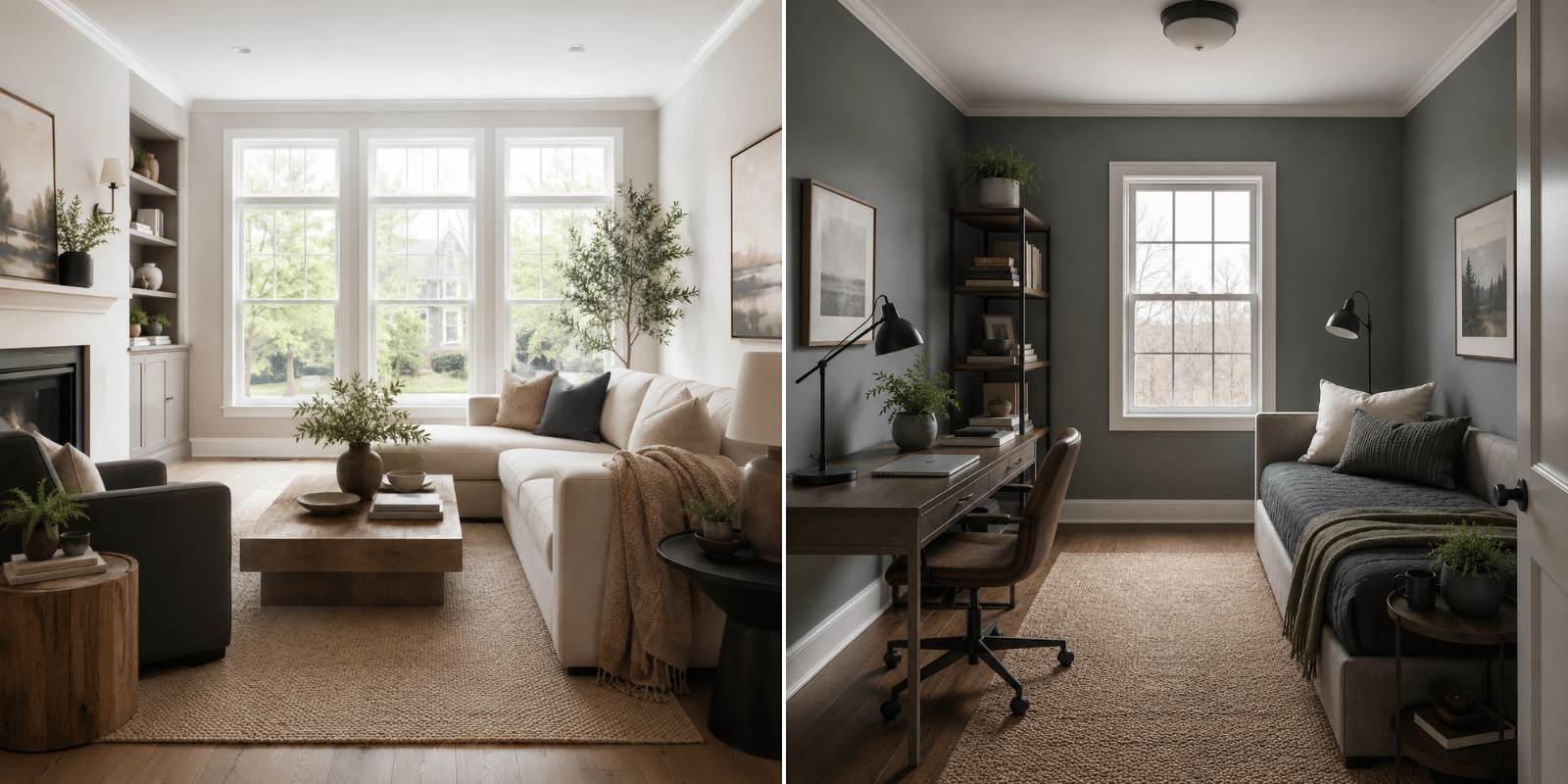
One of the biggest mistakes homeowners make is assuming every north facing room behaves the same way. In reality, there are huge differences between a well-lit north-facing room, and a dark room that doesn’t get a lot of natural sunlight.
A Bright North-Facing Room
A living room with large windows may get plenty of natural light, even if it faces north. In these spaces, you have more flexibility. Warm neutrals, warm gray paint colors, soft neutrals, and even some darker colors can work beautifully.
A Dark Room With Northern Exposure
A guest room, home office, or dining room with limited natural light is a different story. In these spaces, the cooler light can make paint colors feel noticeably darker and colder. The less sunlight a room receives, the more important it becomes to choose the right undertones.
What Undertones Should Be Avoided in a North-Facing Room?
Undertones will make or break your paint color in a north-facing room. This is one of the most important things homeowners need to consider when choosing a color. In general, I recommend being cautious with the following colors:
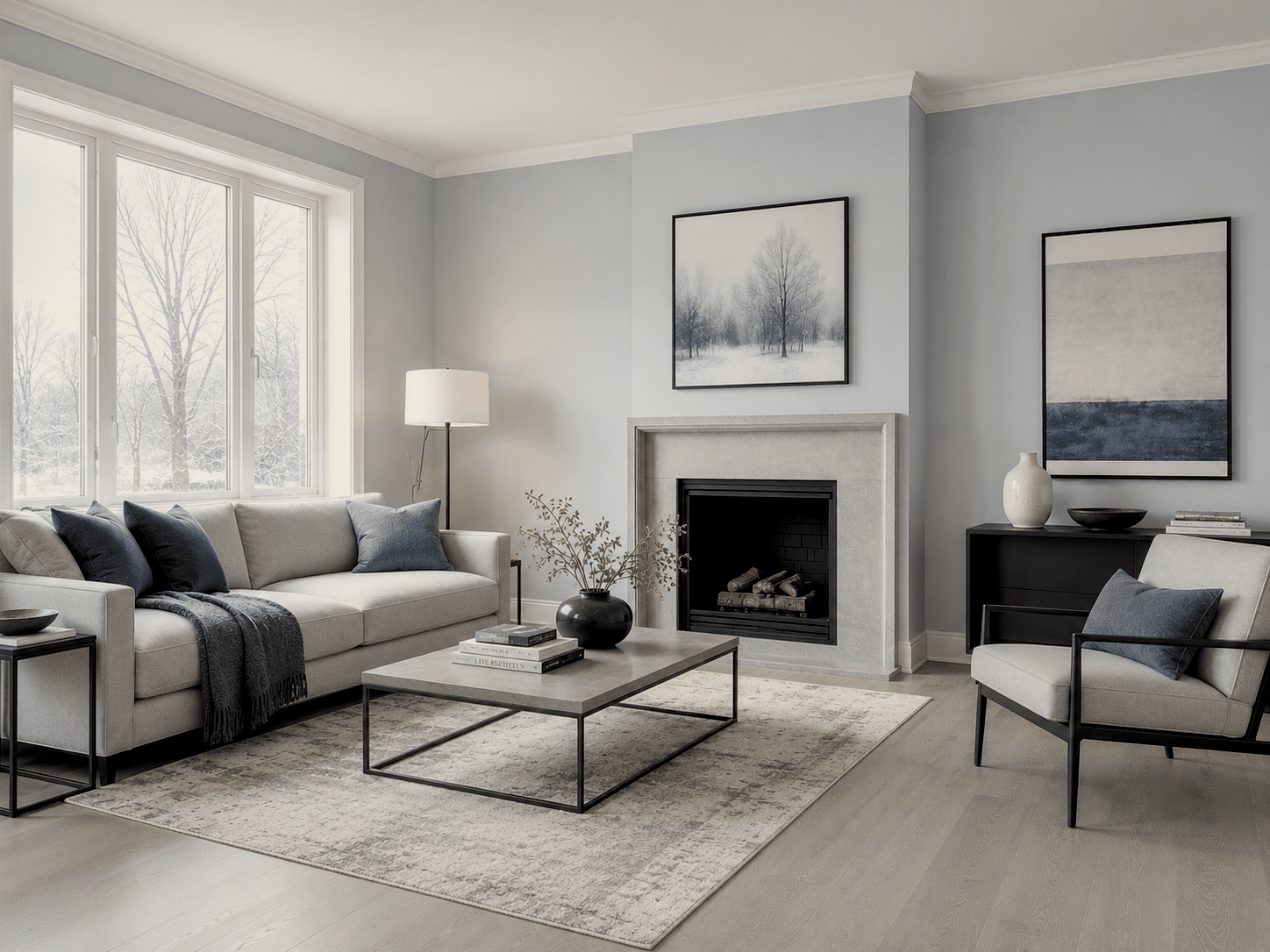
Cool Gray Paint Colors
Cool gray floors and cool gray paint colors can be an undesirable combination in north-facing spaces. Because northern light already has cool qualities, cool gray walls often become a bit icy looking, and may even take on a hint of blue.
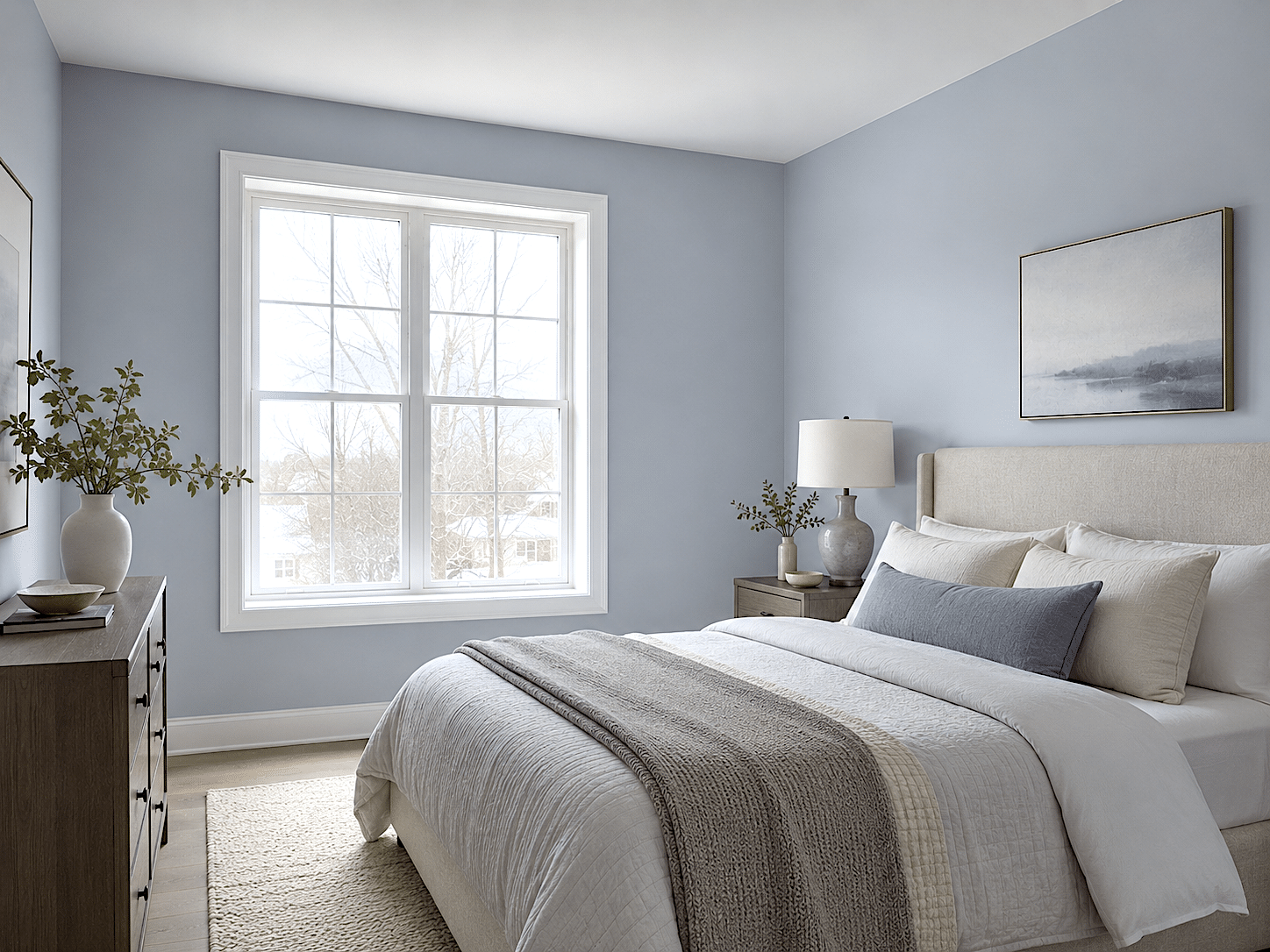
Blue Undertones
Blue undertones can become amplified in north-facing rooms. A color that looked like a soft gray in the paint store may suddenly appear noticeably blue on your walls. Also keep in mind that if you’re searching for a soft blue-gray paint color, you might find that many of the options you try are too blue for a north-facing room.
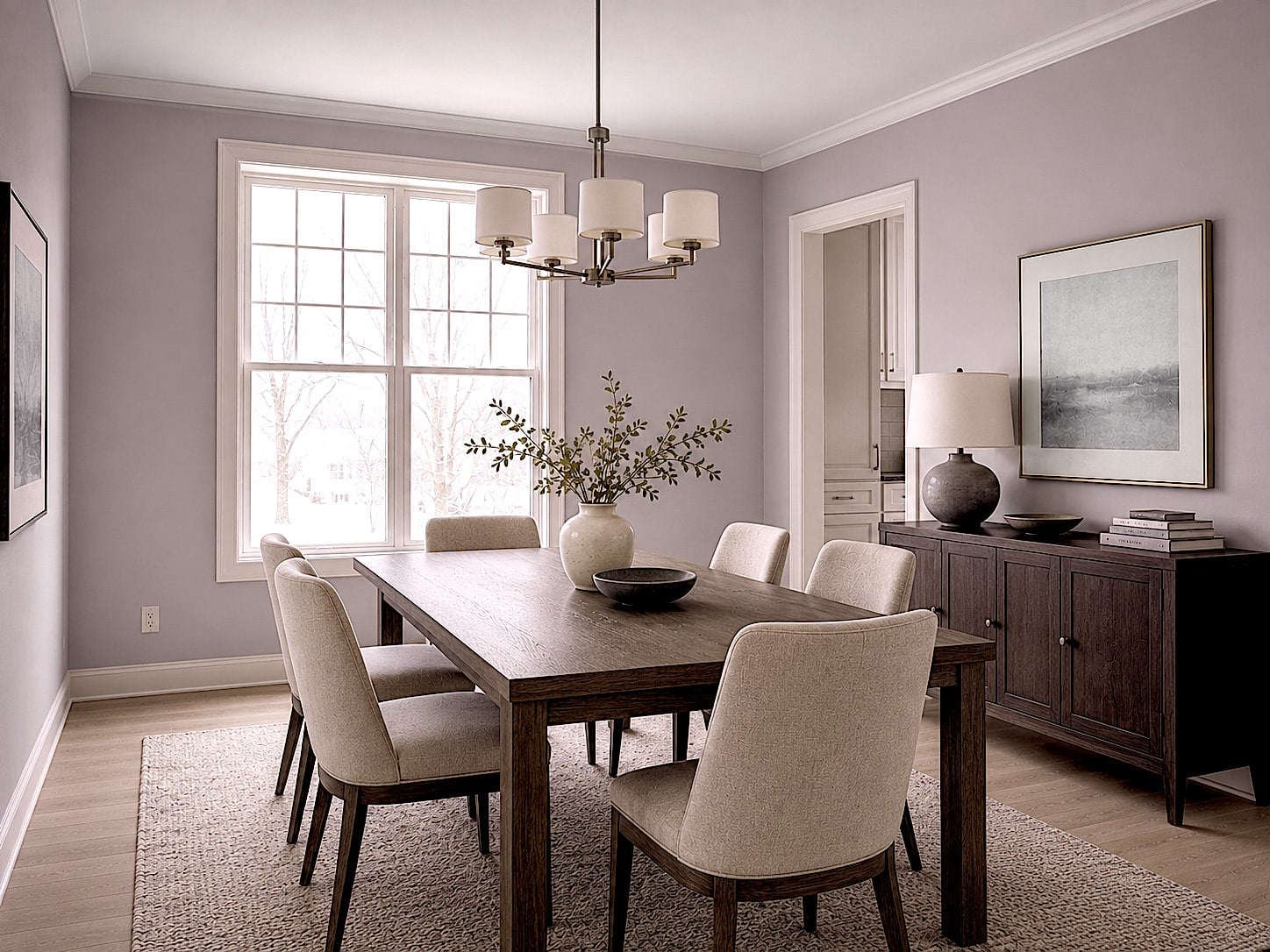
Purple Undertones
Certain grays, taupes, and greiges contain hidden purple undertones. North-facing light tends to amplify these undertones, which can create unexpected lavender or violet casts.
Some Green Undertones
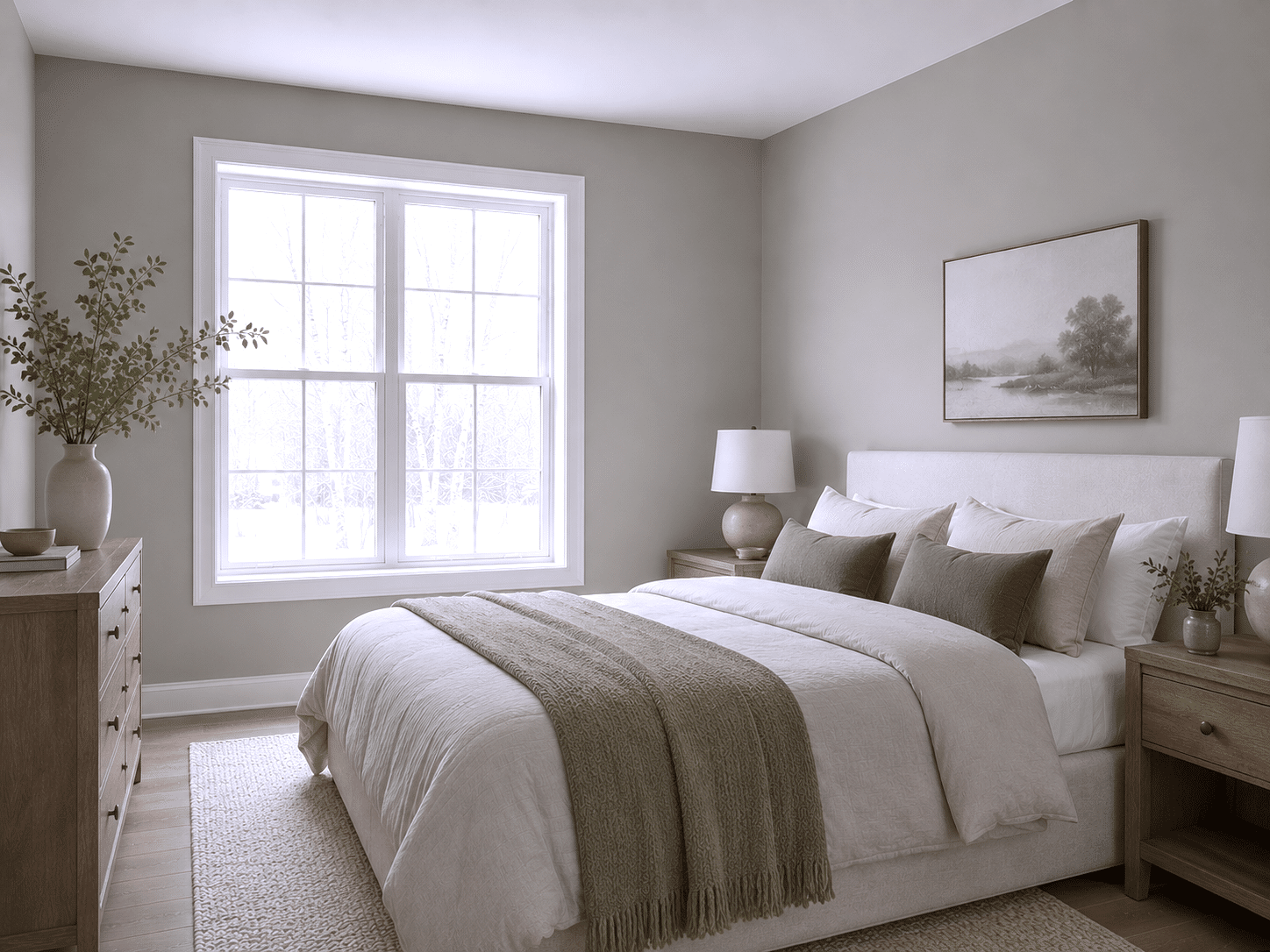
Green undertones can be tricky. Not all green undertones are bad, but cooler green undertones can sometimes feel a little muddy or look overly gray in north-facing spaces.
What Undertones Work Best in North-Facing Rooms?
In most cases, north-facing spaces are going to look best with colors that have a touch of warmth. Look for colors with:
- Warm undertones (red, orange, or yellow undertones)
- Soft cream and warm beige undertones
- Warm gray and warm greige undertones
These colors help offset the cooler tones cast by northern light and make the room feel more cozy and balanced. Your goal may not be to make the room feel “warm,” and that’s perfectly ok. But, you’ll want to choose colors that will prevent the room from feeling cold and unwelcoming.
FREE Resource for You!
Struggling to choose the perfect paint colors for your home? Grab my FREE guide “5 Steps to Choosing the Perfect Paint Color” and learn the exact process I use as a designer to select colors that actually work in real homes.
No more guessing. No more swatch overload. Just confidence!

Understanding LRV (Light Reflectance Value)
When choosing paint colors for north-facing rooms, it’s helpful to understand Light Reflectance Value, often called LRV. The LRV measures of a paint color is a measure of how much light it reflects.
- Higher LRV = reflects more light (a lighter paint color)
- Lower LRV = absorbs more light (a darker paint color)
Many homeowners assume the highest LRV is always the best choice for a dark room, but that isn’t necessarily true. A bright white with a very high LRV can actually look cold and sterile in north-facing spaces.
Instead, you want to look for light colors with a medium to high LRV and warm undertones. These colors will brighten the room while maintaining warmth.
Should You Paint a North-Facing Room Dark?
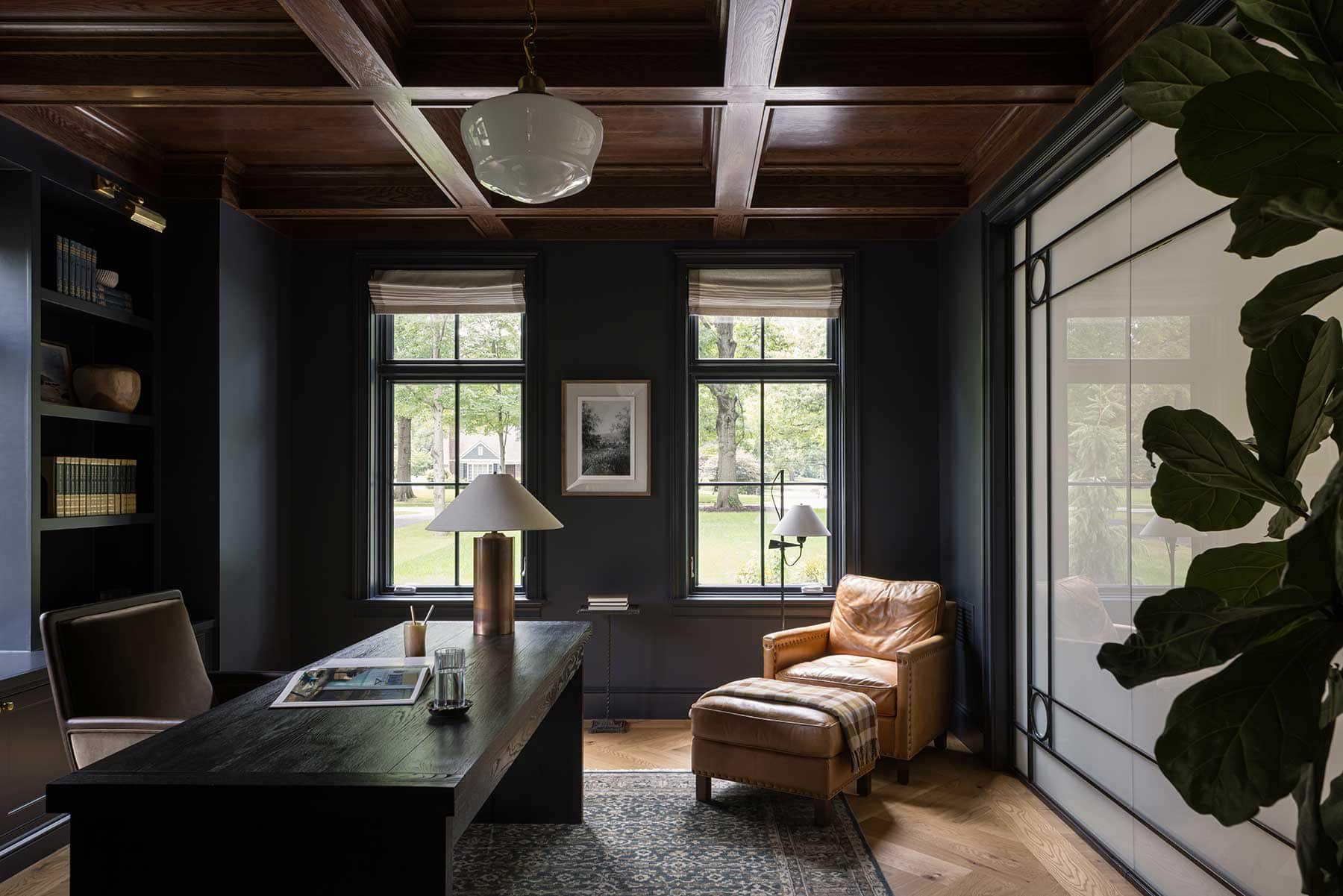
Sure! This is one area where many paint guides oversimplify things.The question isn’t whether you can paint a north-facing room dark…the question is whether you want the room to feel light and bright, or dark and moody. In some spaces, you might want a cozy, cave-like feel. In others, you may want to brighten the room as much as possible.
Dark Colors Can Work Beautifully In:
- Dining rooms
- Home offices
- Libraries
- Guest rooms
- Powder rooms
Instead of fighting the room’s natural mood, sometimes it’s better to embrace it! A rich warm gray, deep taupe, or moody earth tone can create a cozy, sophisticated vibe in a dining room, office, or den.
When Lighter Colors Make More Sense
If your goal is to make the space feel larger, brighter, or more open, lighter colors are usually the better choice for a north-facing room.This is especially true in rooms with limited natural light.
My Favorite Neutral Paint Colors for North-Facing Rooms
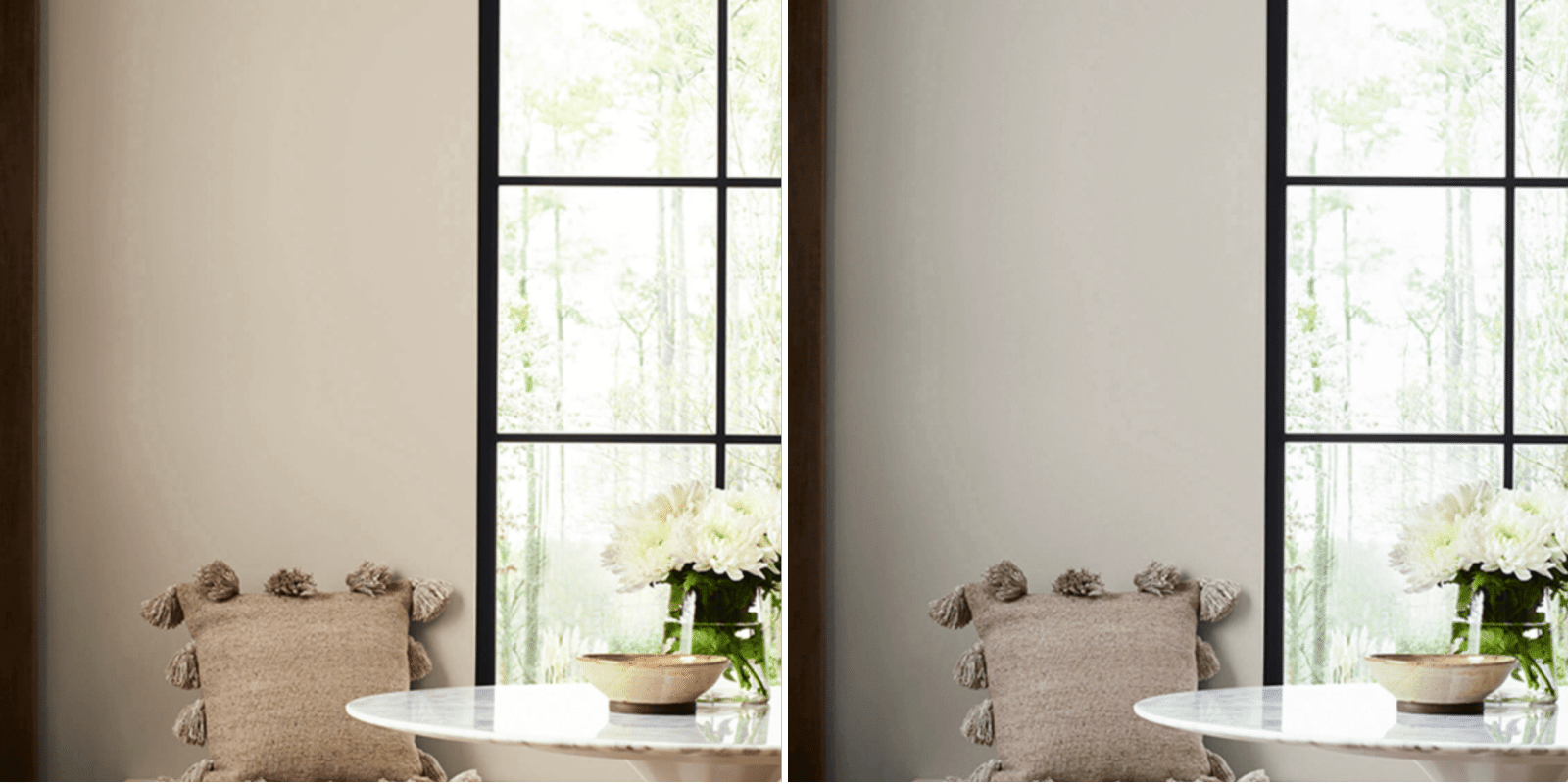
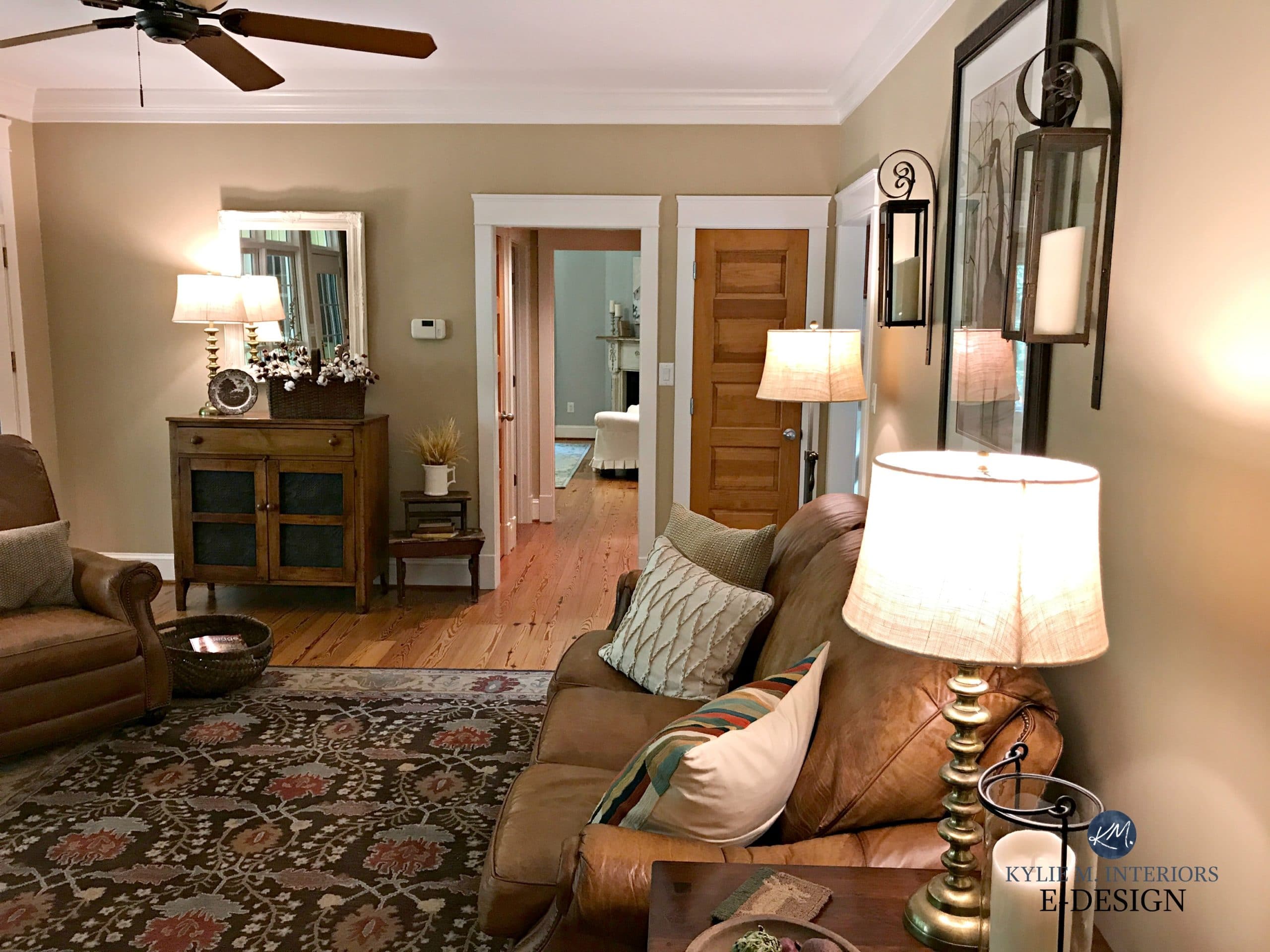
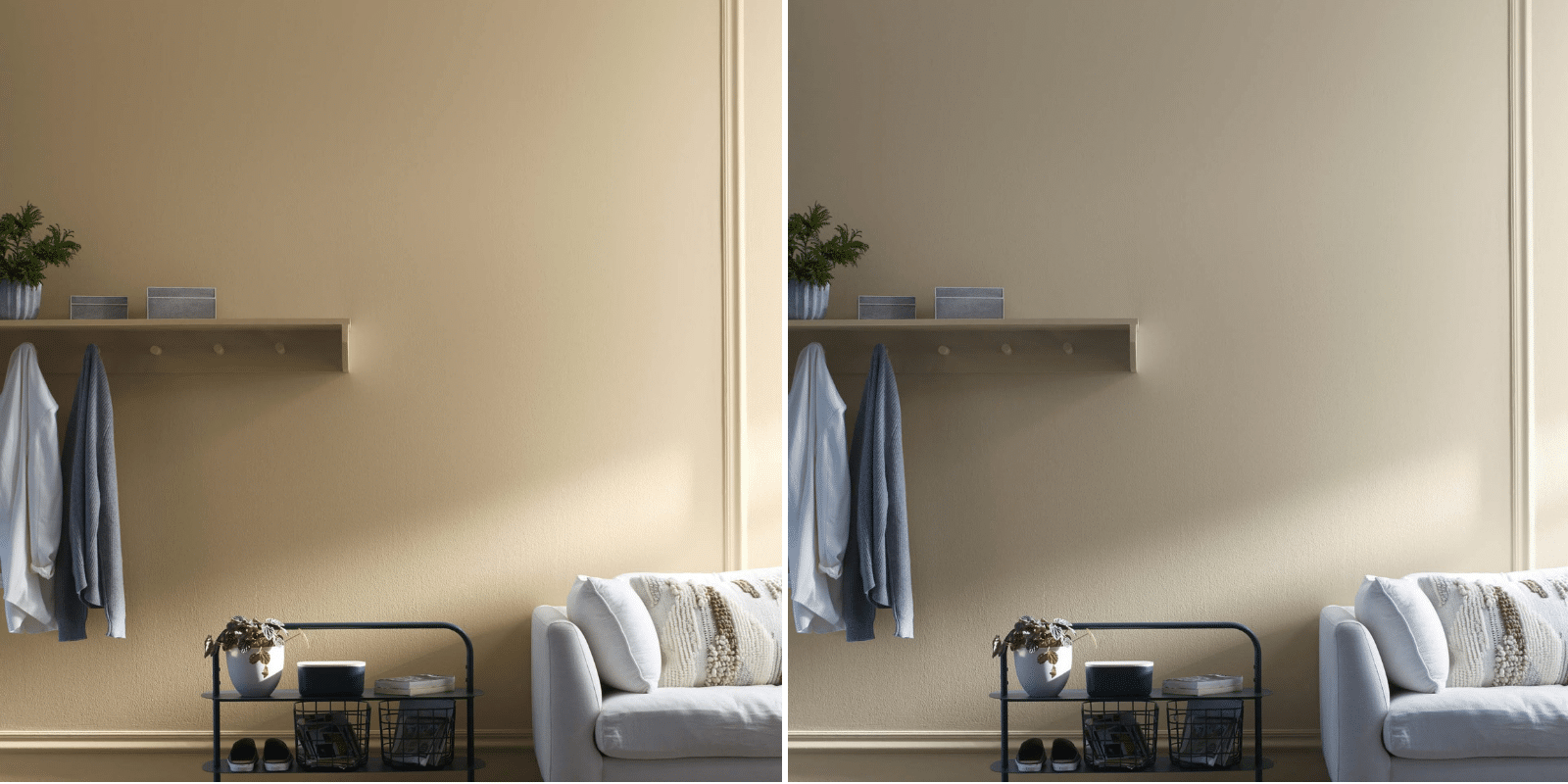
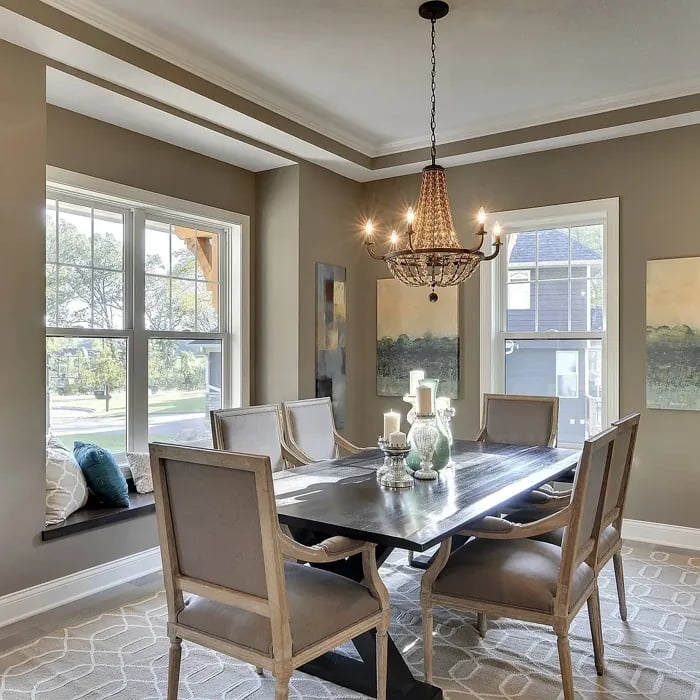
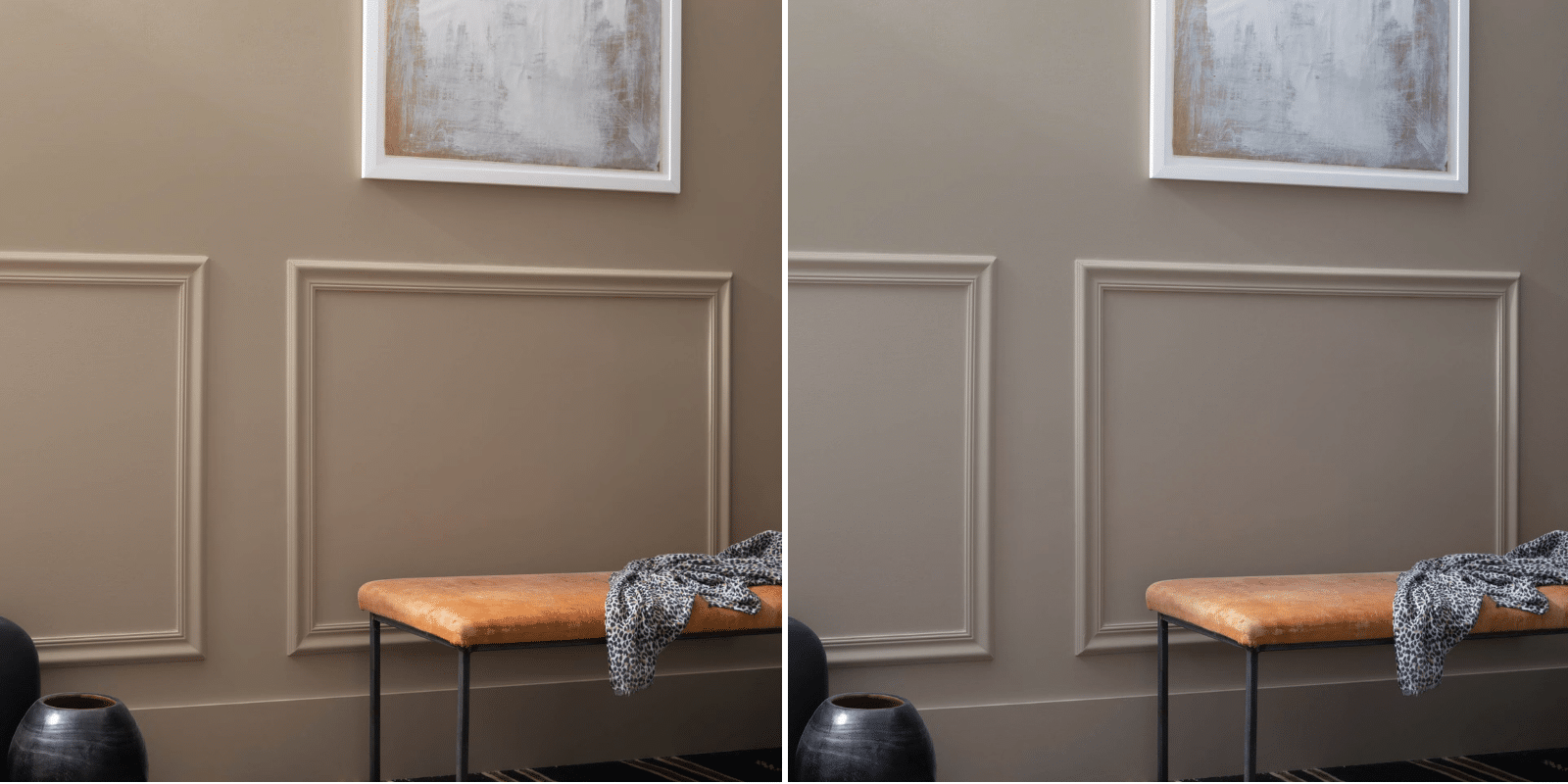
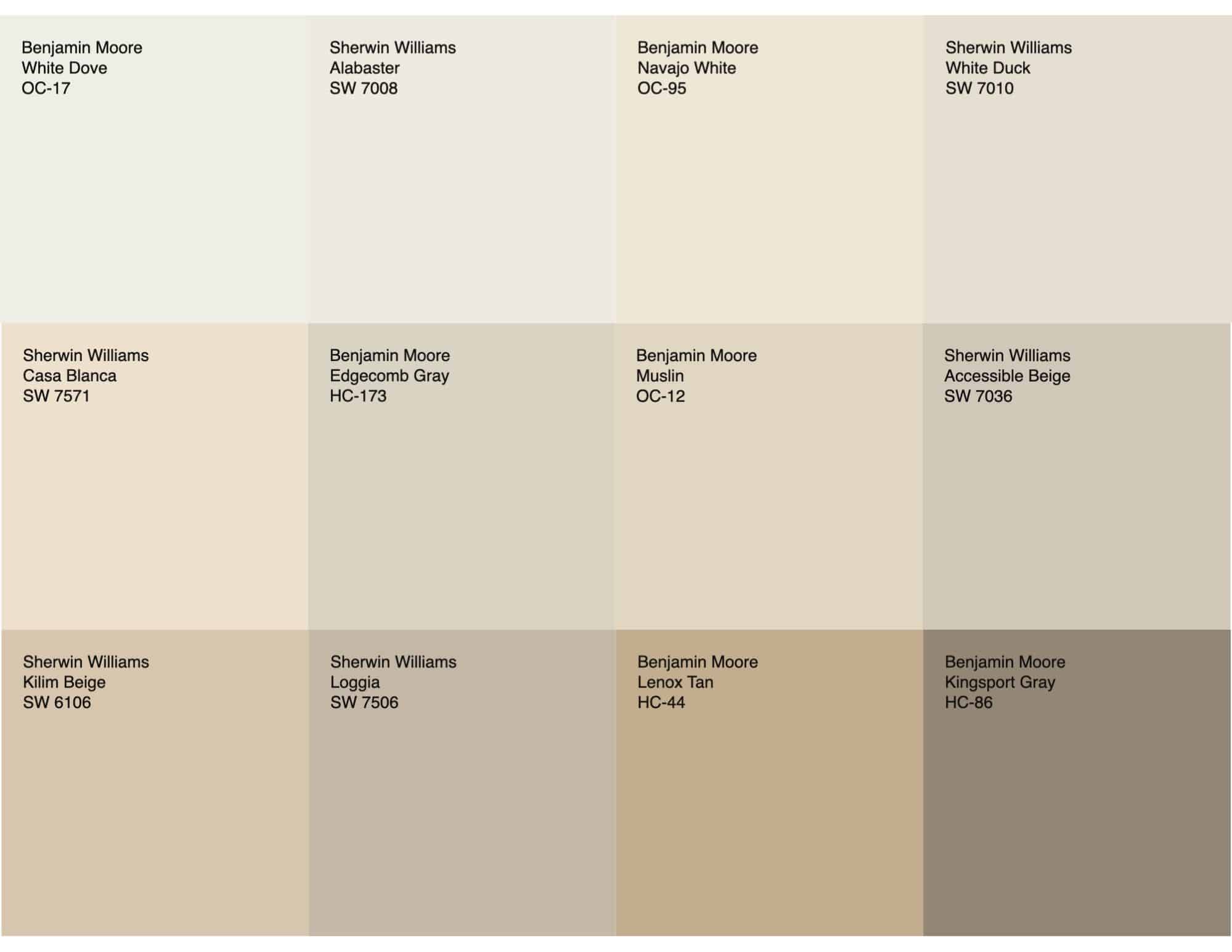
Here are my top 12 favorite neutral paint colors for north-facing rooms. For each paint color, I’ve also created a mockup showing how the color might appear in a north-facing room with cooler light. This will give you a better idea of how the color may perform in a room with northern light exposure.
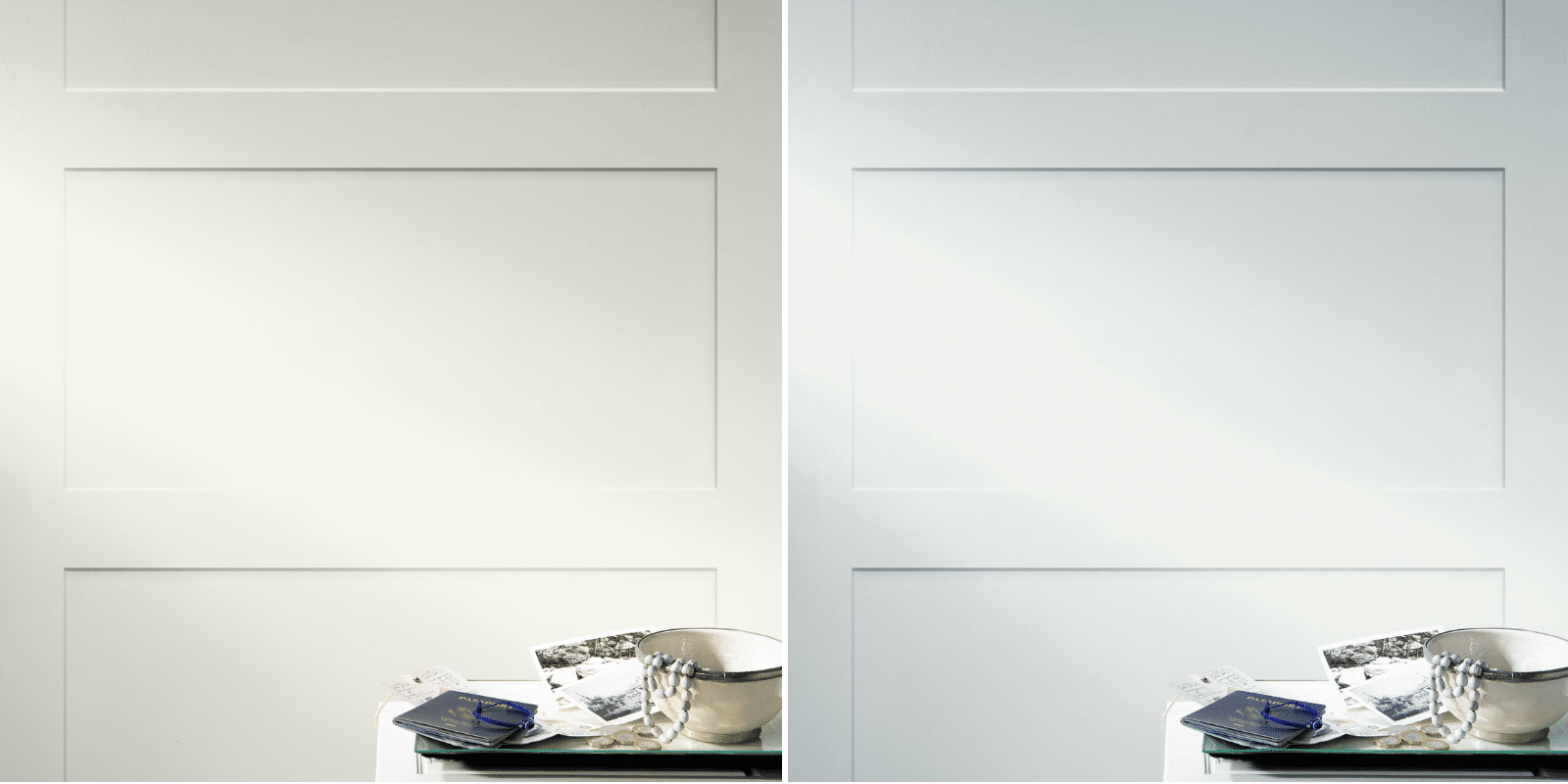
1. Benjamin Moore White Dove (OC-17)
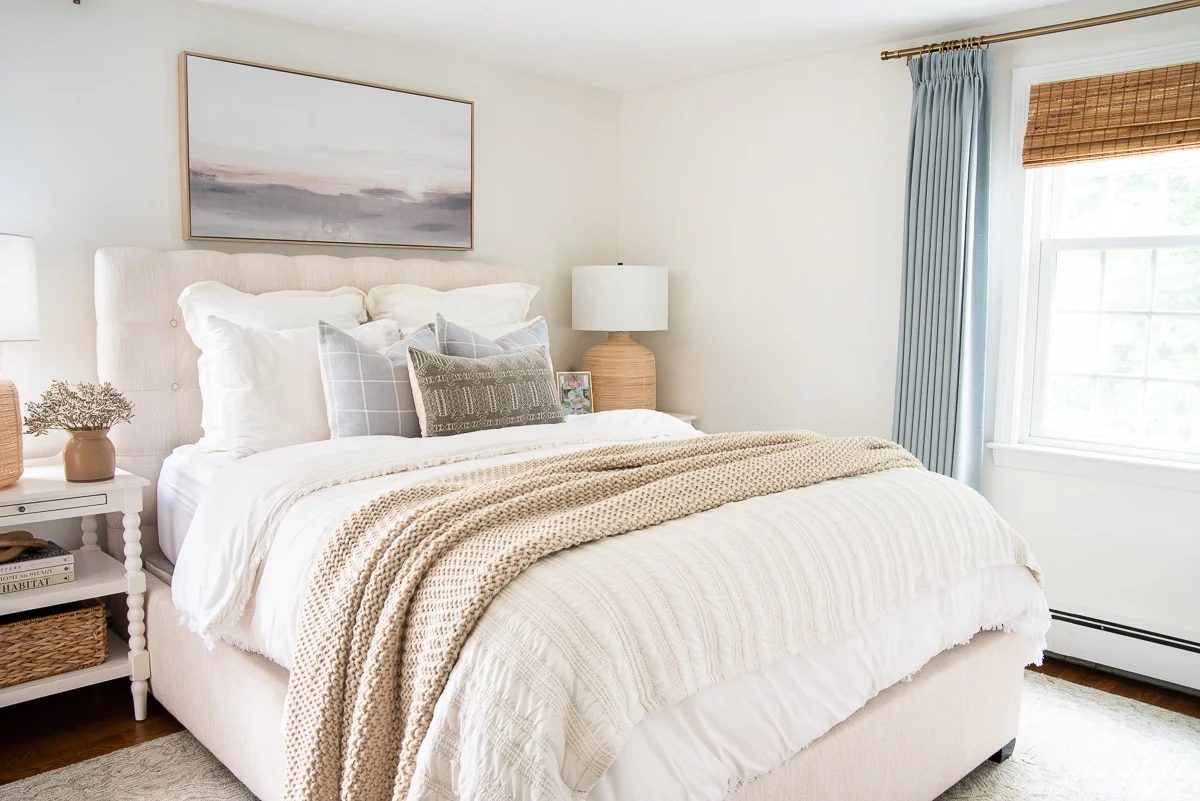
If I could only recommend one white paint color for north-facing rooms, BM White Dove would be near the top of the list. It’s a soft, creamy white with subtle warm undertones that help counteract the cool, blue-gray light common in north-facing spaces.
Unlike stark bright whites, White Dove doesn’t feel cold or sterile. In a north-facing room, it typically reads as a soft neutral white rather than a creamy white. The cool light tones down much of its warmth, making it a safe choice for homeowners who want a bright white look without feeling stark.
Undertones: Soft cream, subtle yellow-beige
In a north-facing room: Reads as a clean, neutral white with just enough warmth to prevent the space from feeling cold.
Best For: Whole-house color palettes, baseboards and trim, open-concept homes, living rooms, dining rooms, bedrooms, and homeowners who want a soft neutral white that won’t feel cold.
2. Sherwin-Williams Alabaster (SW 7008)
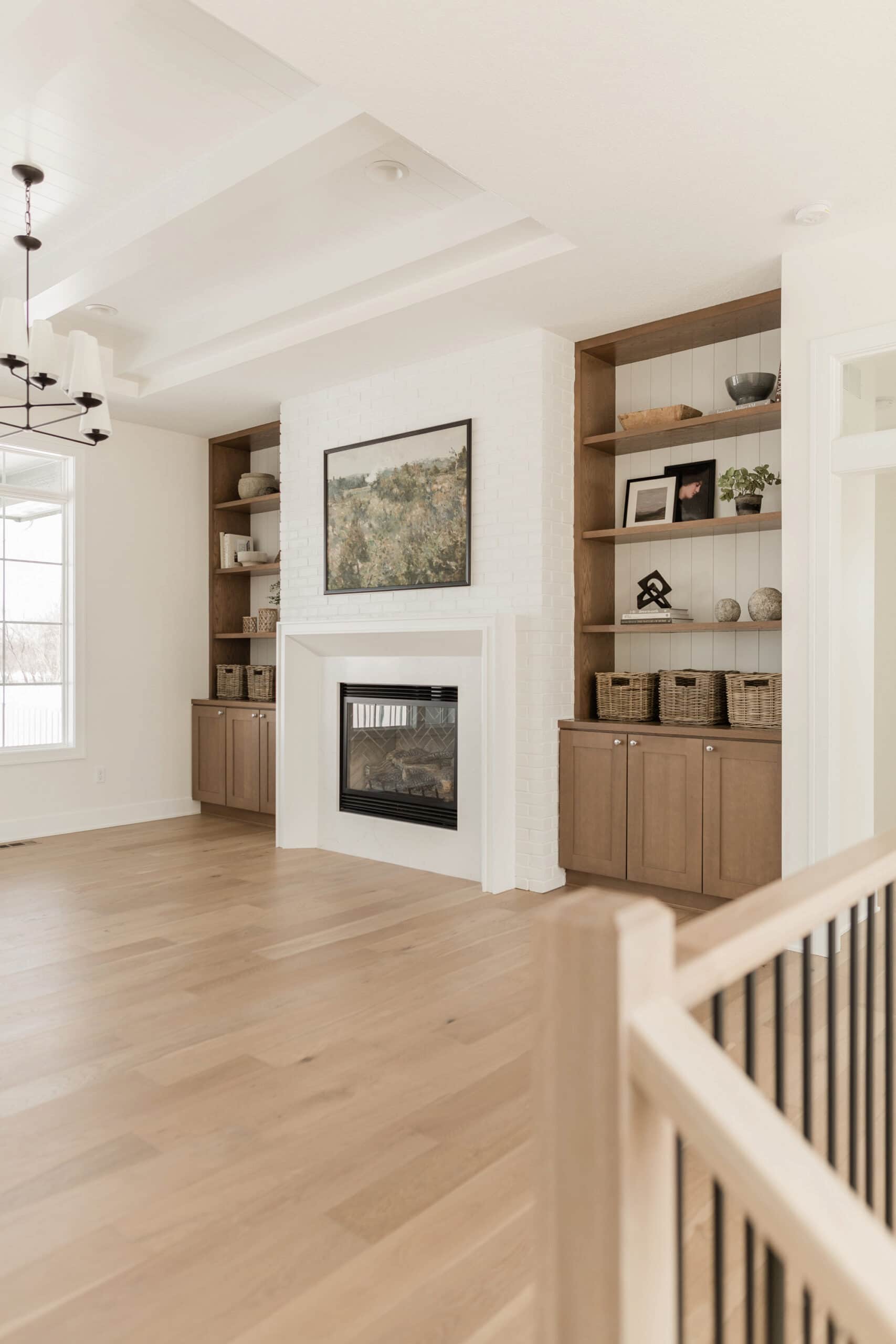
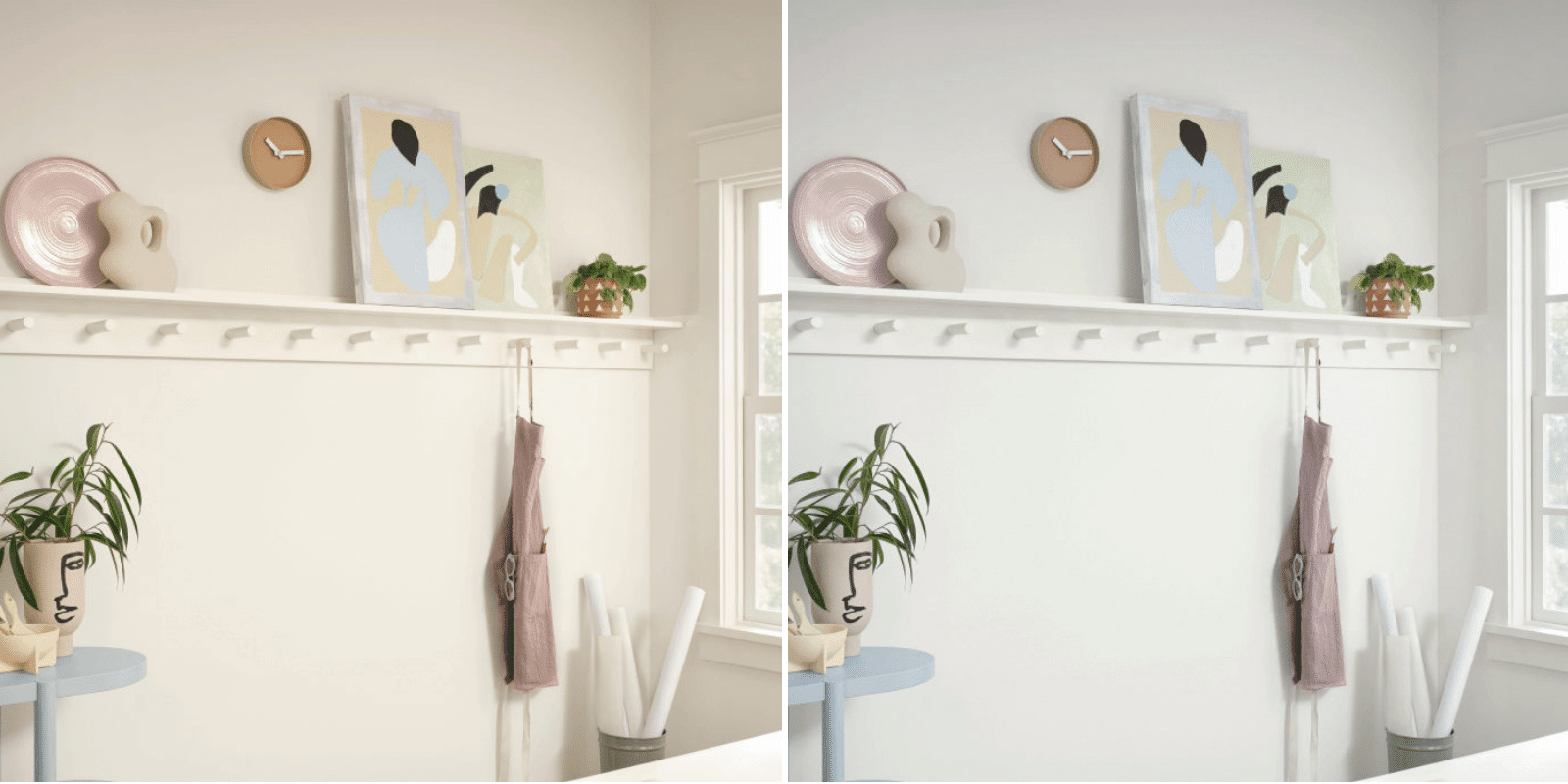
SW Alabaster has been one of the most popular white paint colors for years…and for good reason. It’s a warm white that feels soft and inviting without looking noticeably yellow.
Many homeowners worry that Alabaster will appear too creamy, but north-facing light actually helps balance the color. The cooler light minimizes some of the warmth, allowing it to feel fresh and clean while still creating a welcoming feel.
Undertones: Warm beige, subtle cream
In a north-facing room: Reads as a soft warm white that helps offset cool northern exposure without feeling overly creamy.
Best For: Whole-house color palettes, family rooms, living rooms, bedrooms, and homes that need a warm, welcoming white.
Alternatives to White Dove and Alabaster
When it comes to whites, BM White Dove and SW Alabaster are both fantastic choices. But, sometimes you want a white that has a slightly different look. Here are two of my favorite white paint color alternatives for north-facing rooms, when BM White Dove or Alabaster aren’t quite it.
Sherwin-Williams Greek Villa
SW Greek Villa sits in between White Dove and Alabaster. It’s slightly brighter and a touch less creamy than Alabaster, but slightly creamier and warmer than White Dove. If White Dove feels a little too neutral for your space, but Alabaster is giving you too much warmth, Greek Villa is worth sampling.
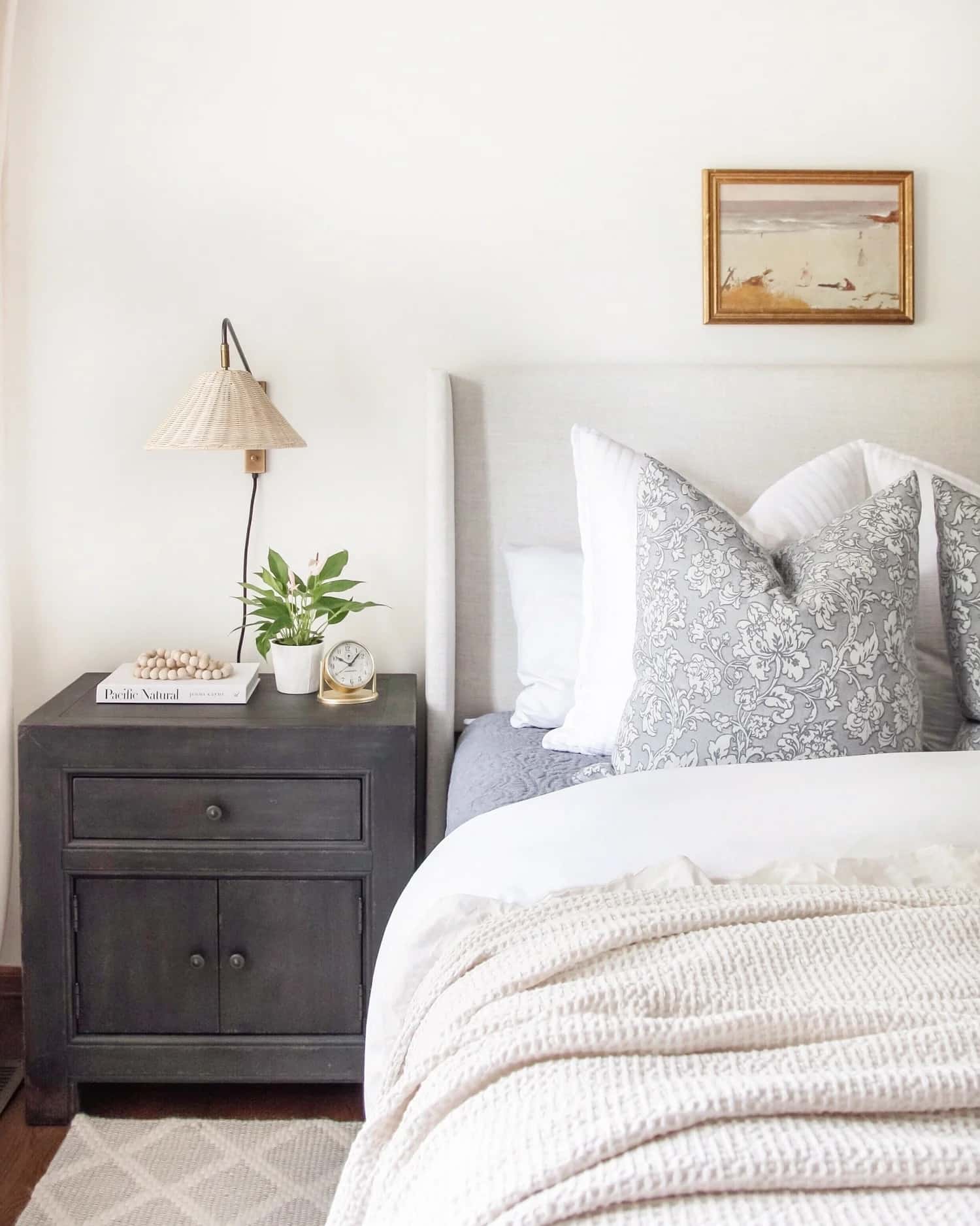
Sherwin-Williams Creamy
SW Creamy leans warmer than both White Dove and Alabaster and can be especially helpful in north-facing rooms with limited natural light. It creates a softer, cozier feeling while still functioning as a neutral. If you like Alabaster, but want a little more depth of color, give SW Creamy a look.
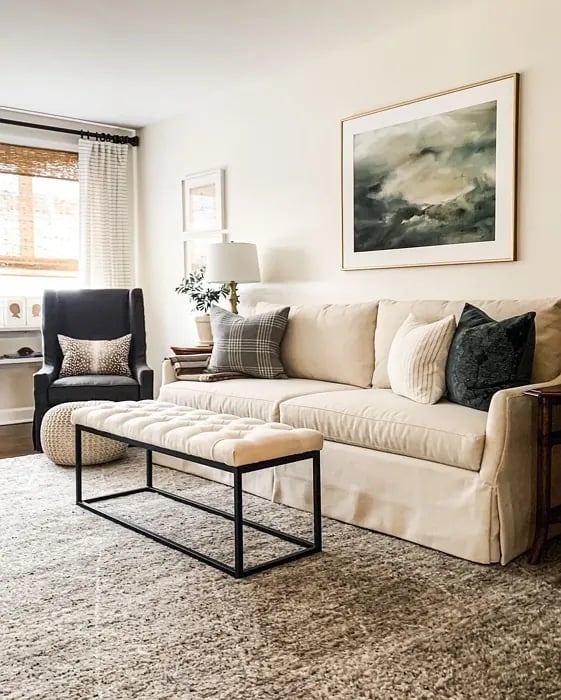
3. Benjamin Moore Navajo White (OC-95)
BM Navajo White is significantly warmer than White Dove or Alabaster. While some creamy whites can feel too yellow, north-facing light helps to calm down Navajo White’s warmth. This is an excellent option if your room feels particularly cold and you want the walls to actively contribute warmth to the space.
Undertones: Cream, yellow, soft beige
In a north-facing room: Reads as a warm creamy neutral that helps make cooler spaces feel more inviting.
Best For: Traditional homes, darker north-facing rooms, living rooms, dining rooms, and spaces that feel cold and need additional warmth.
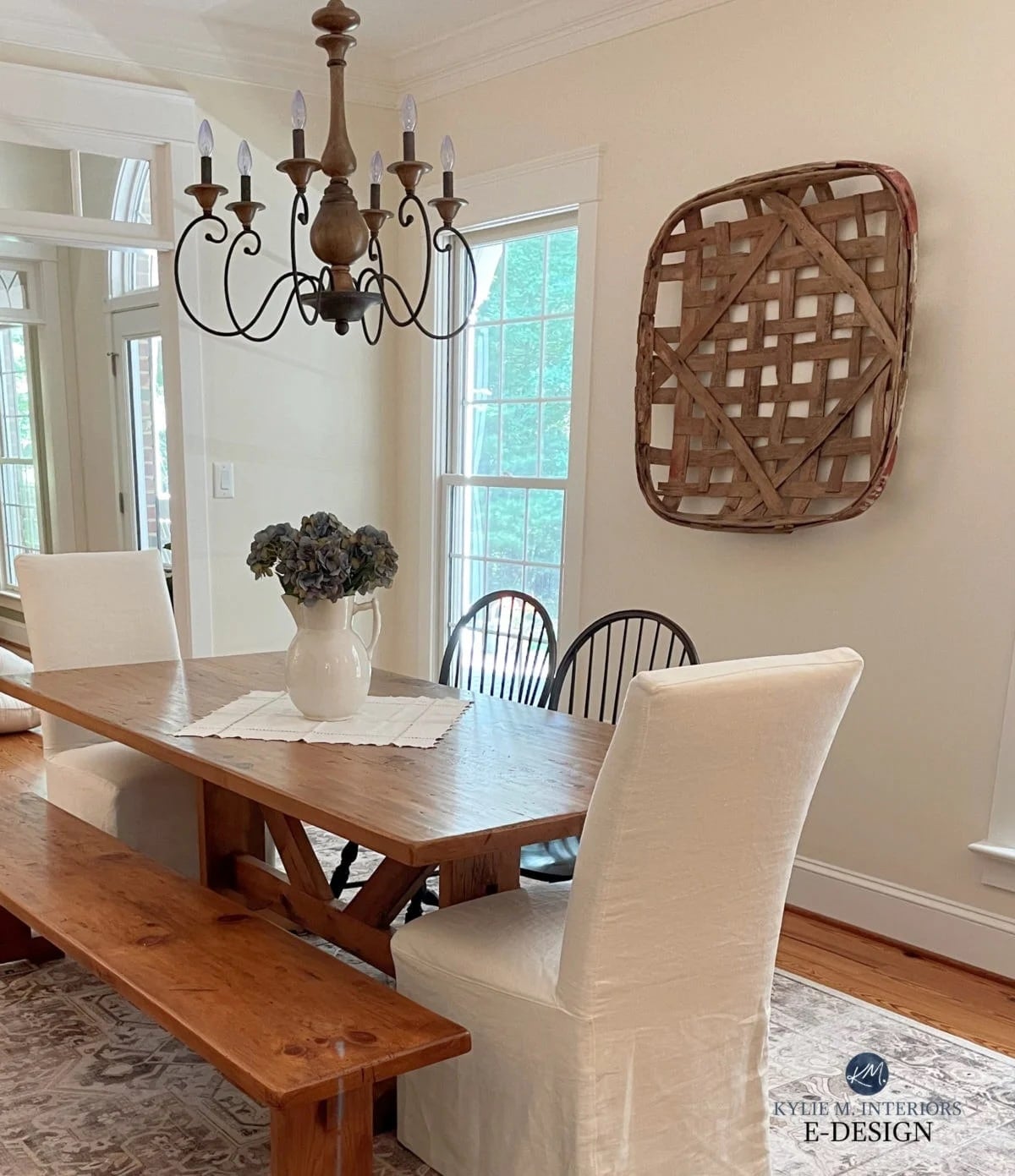

4. Sherwin-Williams White Duck (SW 7010)
SW White Duck is one of those colors that doesn’t fit neatly into a category. It’s often described as a white, but it behaves more like a very light greige (especially in north-facing rooms). Because of its balanced undertones, White Duck performs very nicely in north-facing rooms.
Undertones: Greige, soft beige, subtle green
In a north-facing room: Reads as a light neutral with more depth than a typical white while still feeling bright and airy.
Best For: Whole-house color palettes, open-concept homes, modern farmhouse interiors, and homeowners who want a soft greige-white.
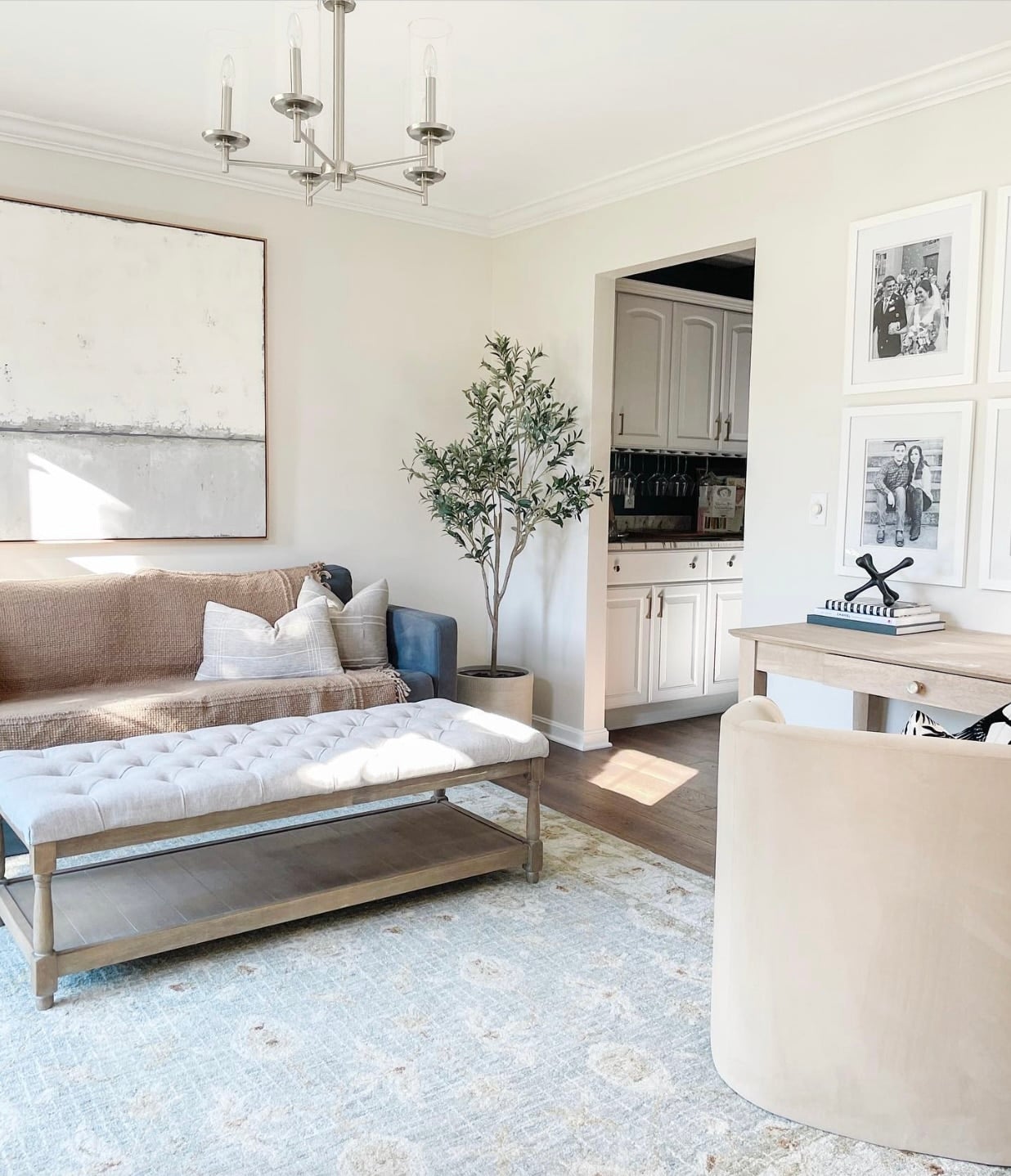
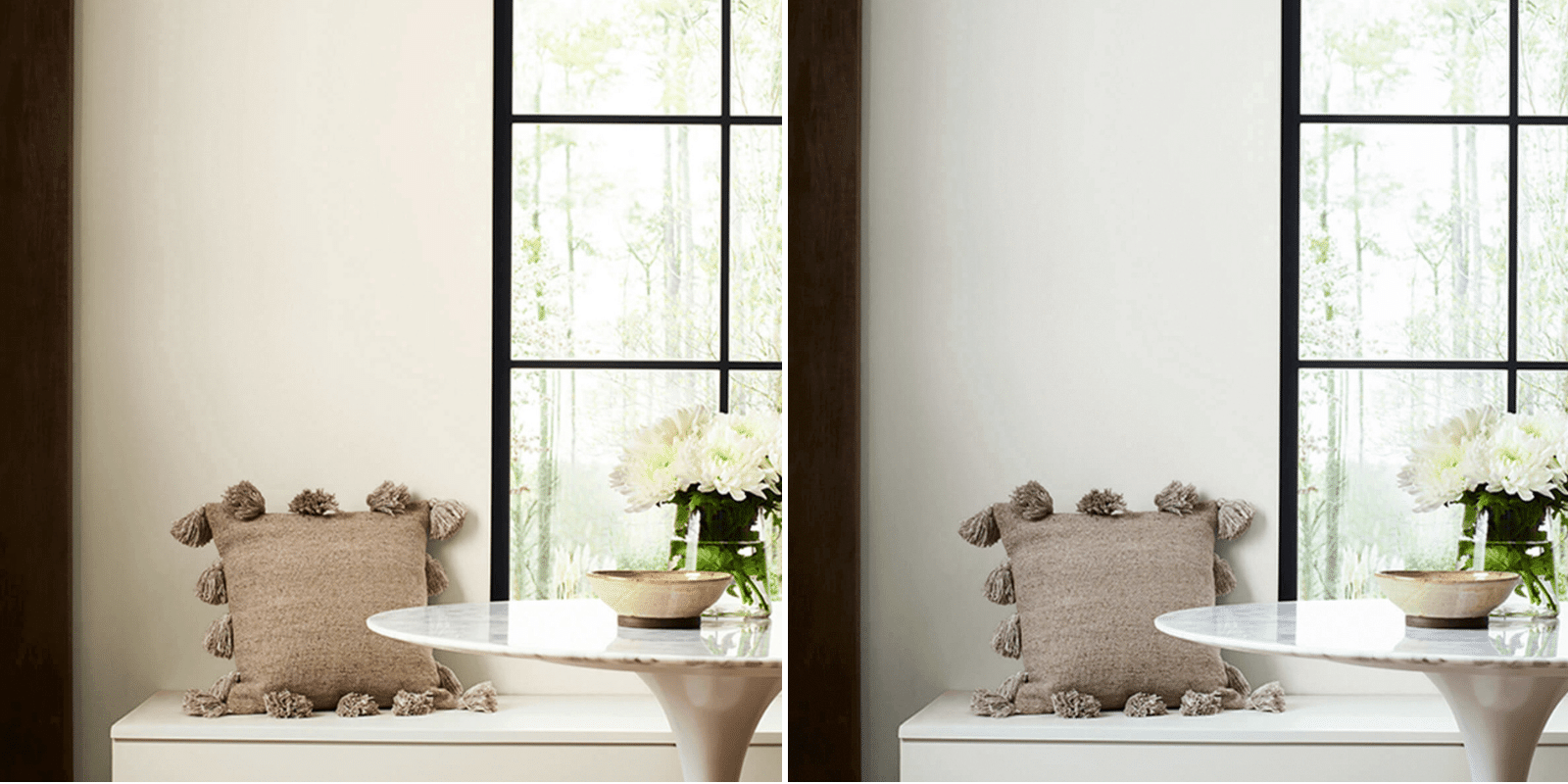
5. Sherwin-Williams Casa Blanca (SW 7571)
SW Casa Blanca is perfect for homeowners who want noticeable warmth without committing to a true beige. It sits somewhere between an off-white and a light neutral beige. Casa Blanca has enough warmth to counteract cool northern light while still feeling soft and sophisticated.
Undertones: Warm cream, soft beige
In a north-facing room: Creates a welcoming, cozy atmosphere and adds warmth without feeling too heavy or dated.
Best For: North-facing living rooms, dining rooms, bedrooms, and homeowners who want more warmth than a typical white without committing to beige.
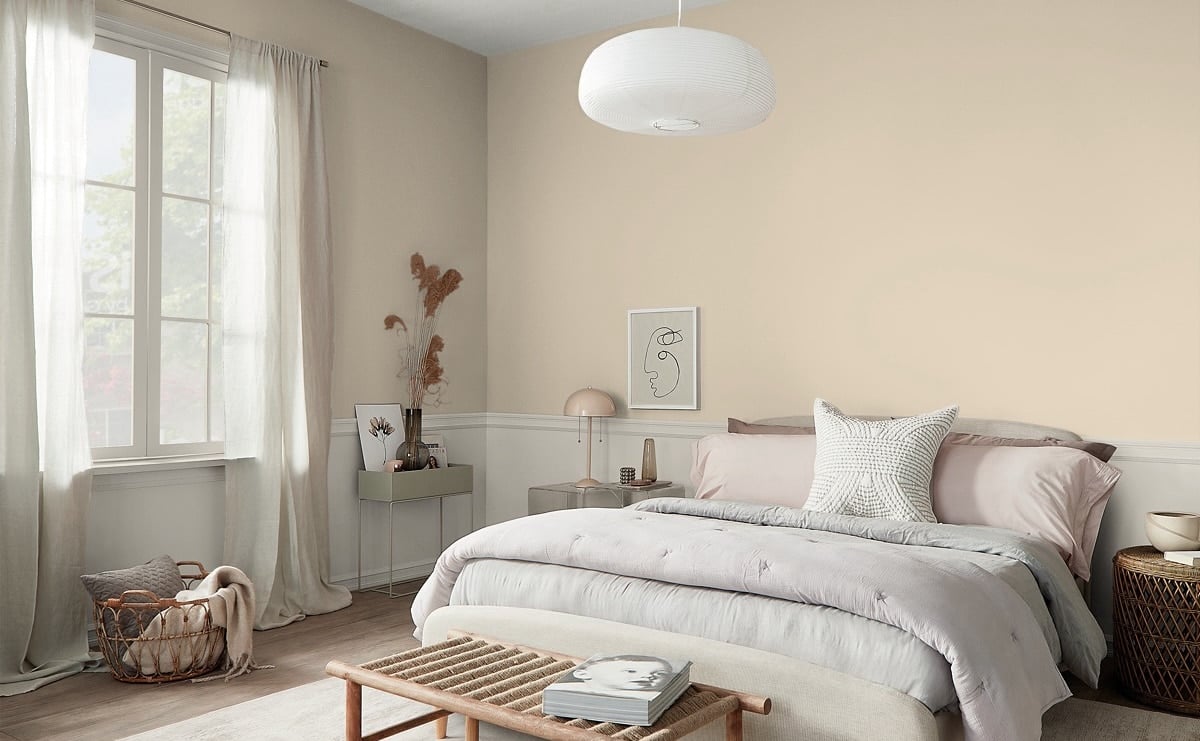
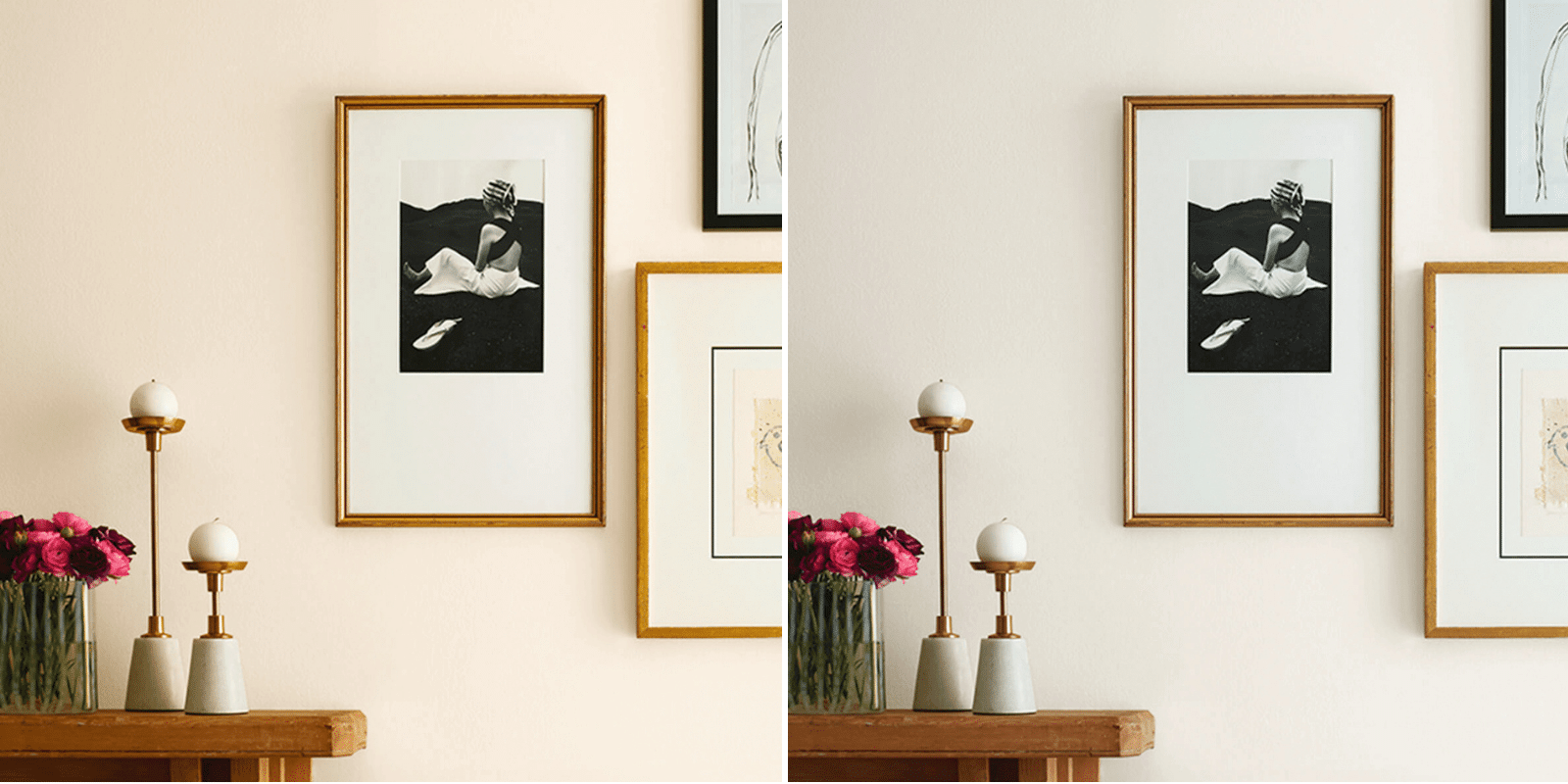
6. Benjamin Moore Edgecomb Gray (HC-173)
BM Edgecomb Gray is one of my go-to recommendations when homeowners want a neutral look rather than a warm, beige look. While it does have warm undertones, north-facing light tends to pull out more of the gray tones. The result is a soft, sophisticated neutral that leans more gray-greige, but doesn’t feel cold.
Undertones: Warm gray, greige
In a north-facing room: Appears more gray and less beige than in sunnier rooms, creating a calm and balanced backdrop.
Best For: Whole-house color palettes, modern homes, open-concept spaces, living rooms, and homeowners seeking a soft neutral look rather than obvious warmth.
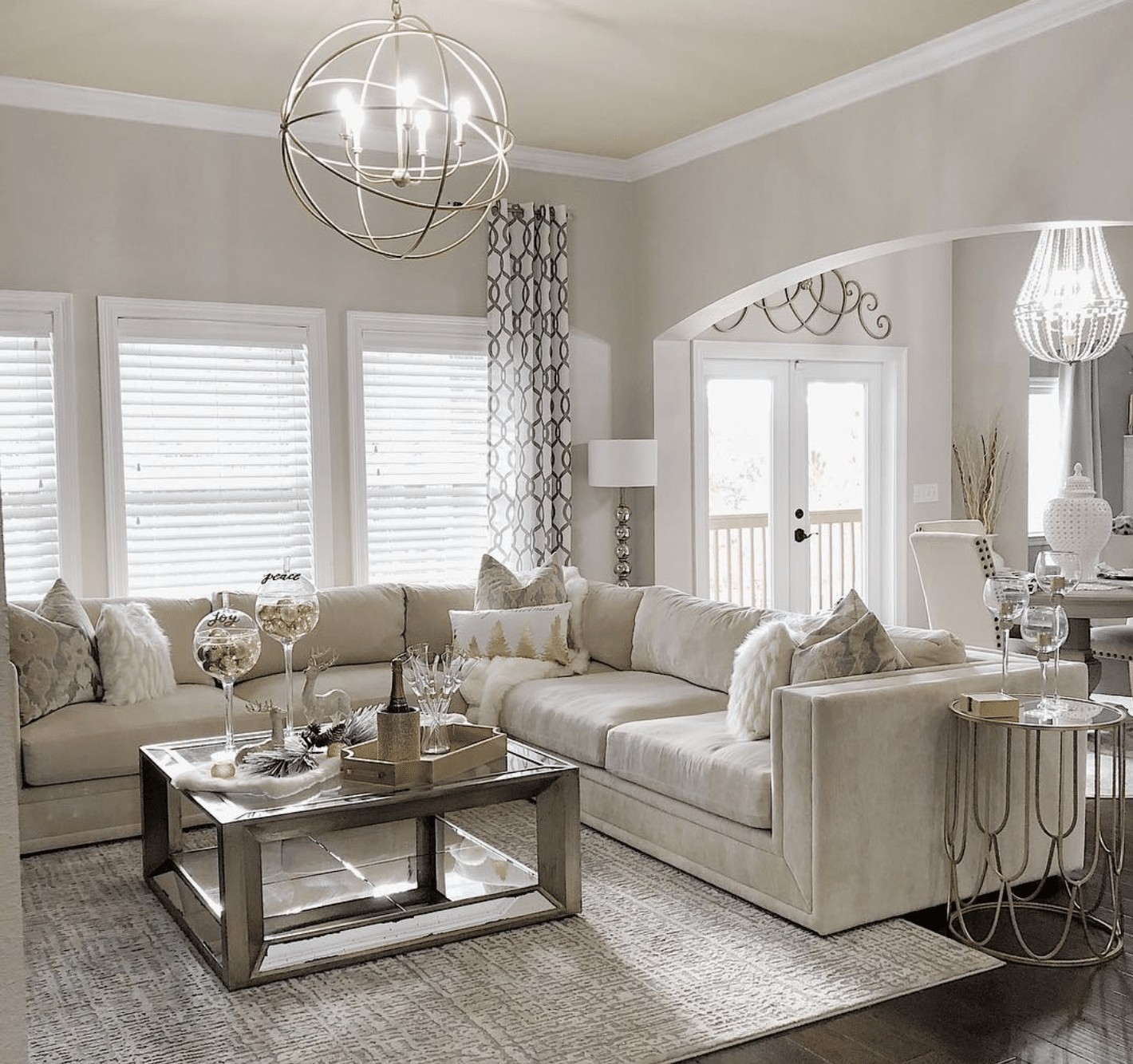
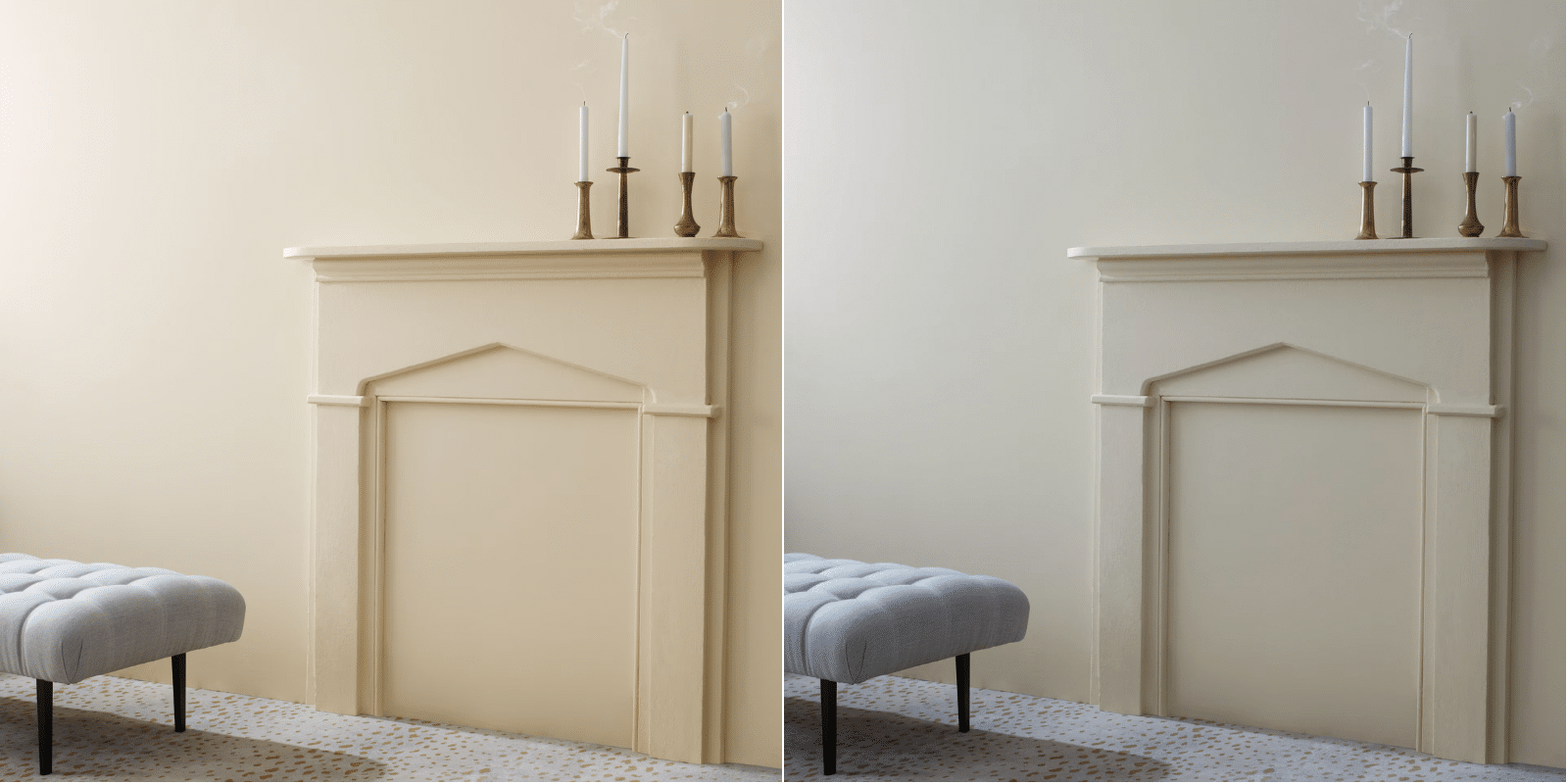
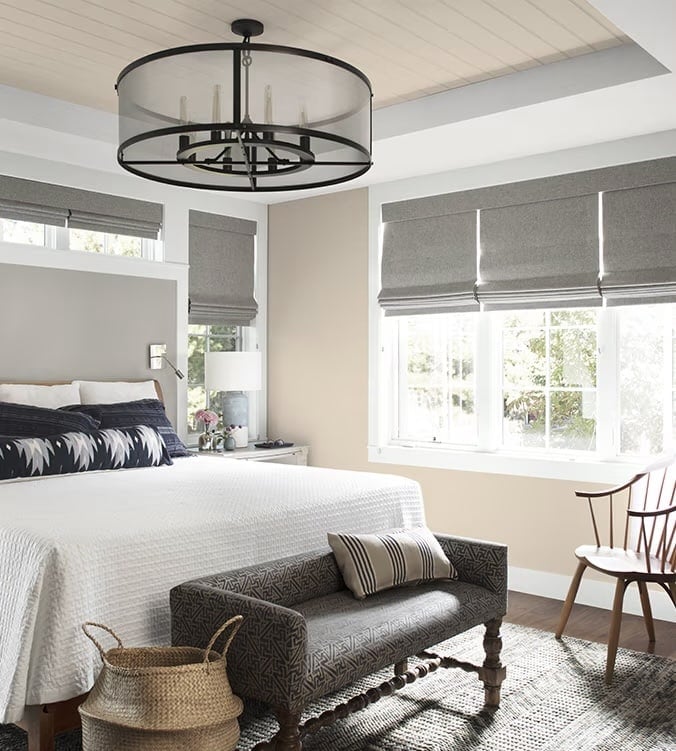
7. Benjamin Moore Muslin (OC-12)
BM Muslin is a soft beige with enough warmth to feel inviting without becoming overly yellow. It has more color to it than White Dove or Alabaster but still comes across as a versatile neutral. If you’re feeling hesitant about gray paint colors but don’t want a traditional beige, Muslin can be a fantastic middle ground.
Undertones: Warm beige, soft gold
In a north-facing room: Creates warmth and softness while maintaining a sophisticated, timeless appearance.
Best For: Living rooms, dining rooms, bedrooms, traditional homes, and homeowners who want a classic warm neutral.
A Great Alternative to BM Muslin
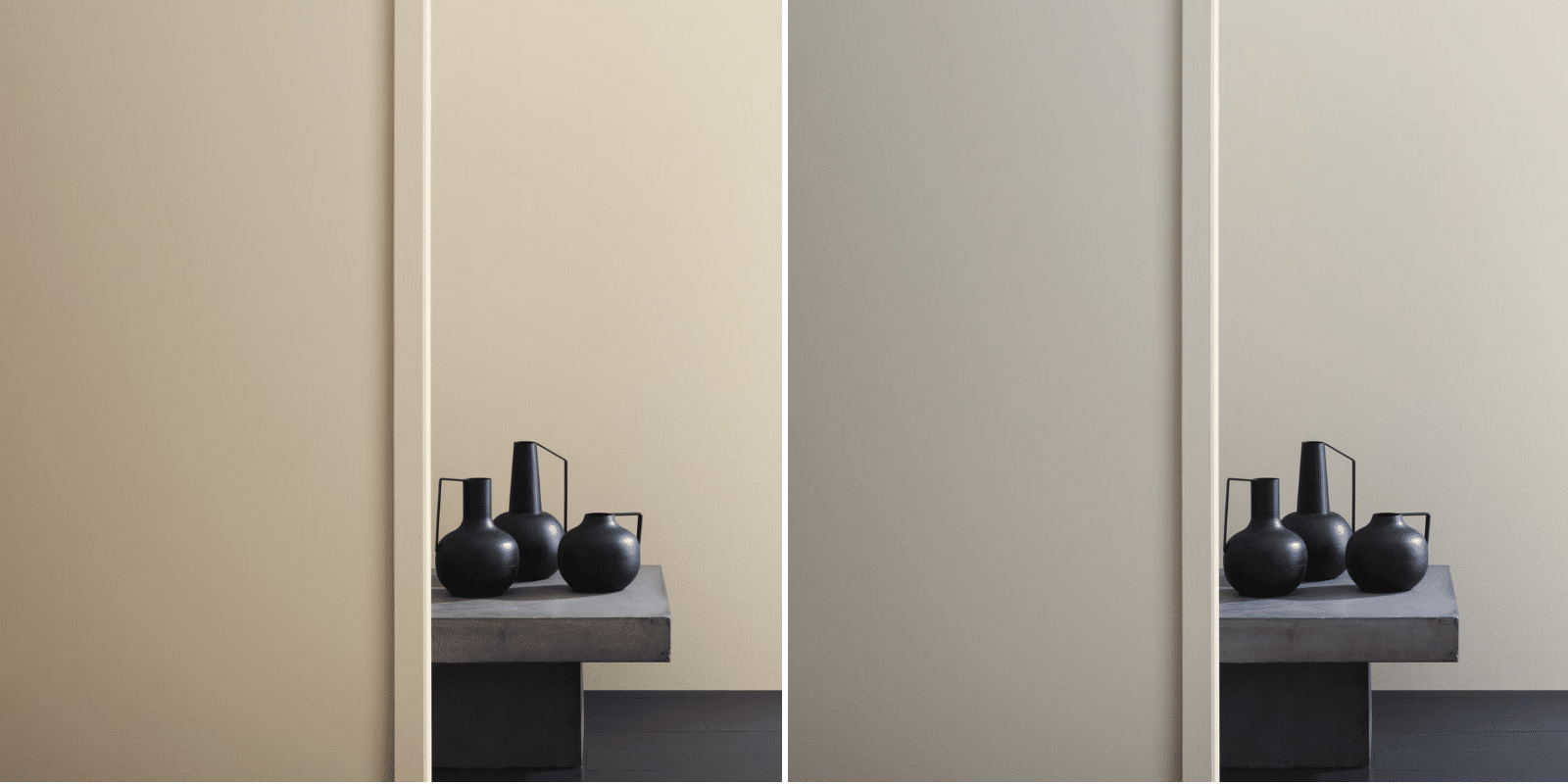
It was hard to choose between these two colors for my main list because they’re both fantastic. If you like the look of BM Muslin, but it’s slightly warmer than you like, allow me to introduce you to:
Benjamin Moore Manchester Tan (HC-81)
BM Manchester Tan is slightly more muted and greige than BM Muslin. If Muslin is close, but a touch too beige or golden for you, Manchester Tan offers a similar level of softness with a more balanced neutral look.
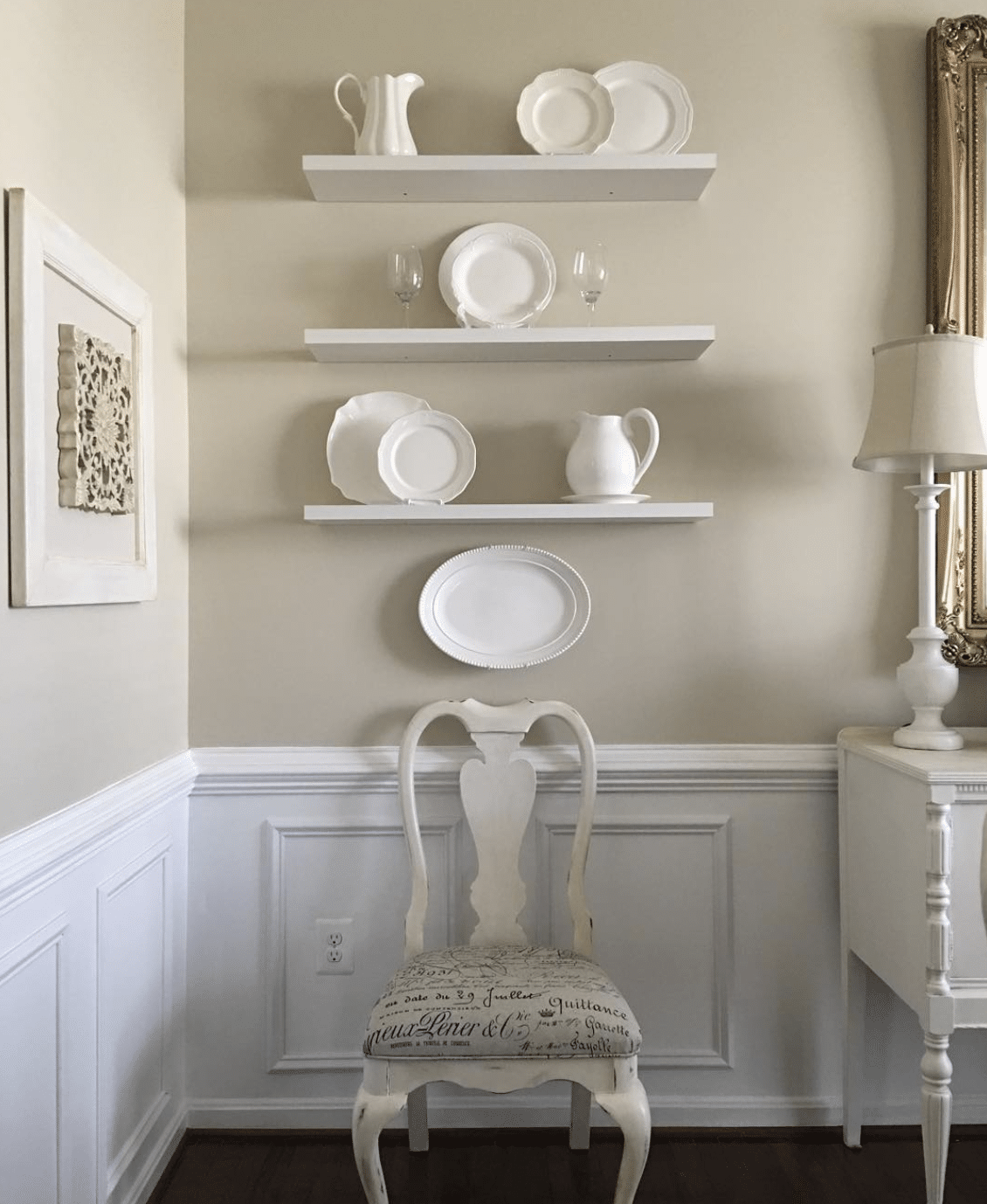
8. Sherwin-Williams Accessible Beige (SW 7036)
Despite the name, SW Accessible Beige is actually more of a greige than a true beige. It offers a touch of warmth without becoming too creamy and tends to work beautifully as a whole-house color. Its balanced undertones make it one of the safest neutral choices for north-facing spaces.
Undertones: Warm greige, taupe
In a north-facing room: Reads slightly more gray than it would in a south-facing room while still maintaining warmth.
Best For: Whole-house color palettes, open-concept homes, living rooms, bedrooms, and homeowners who want a versatile greige that works almost anywhere.
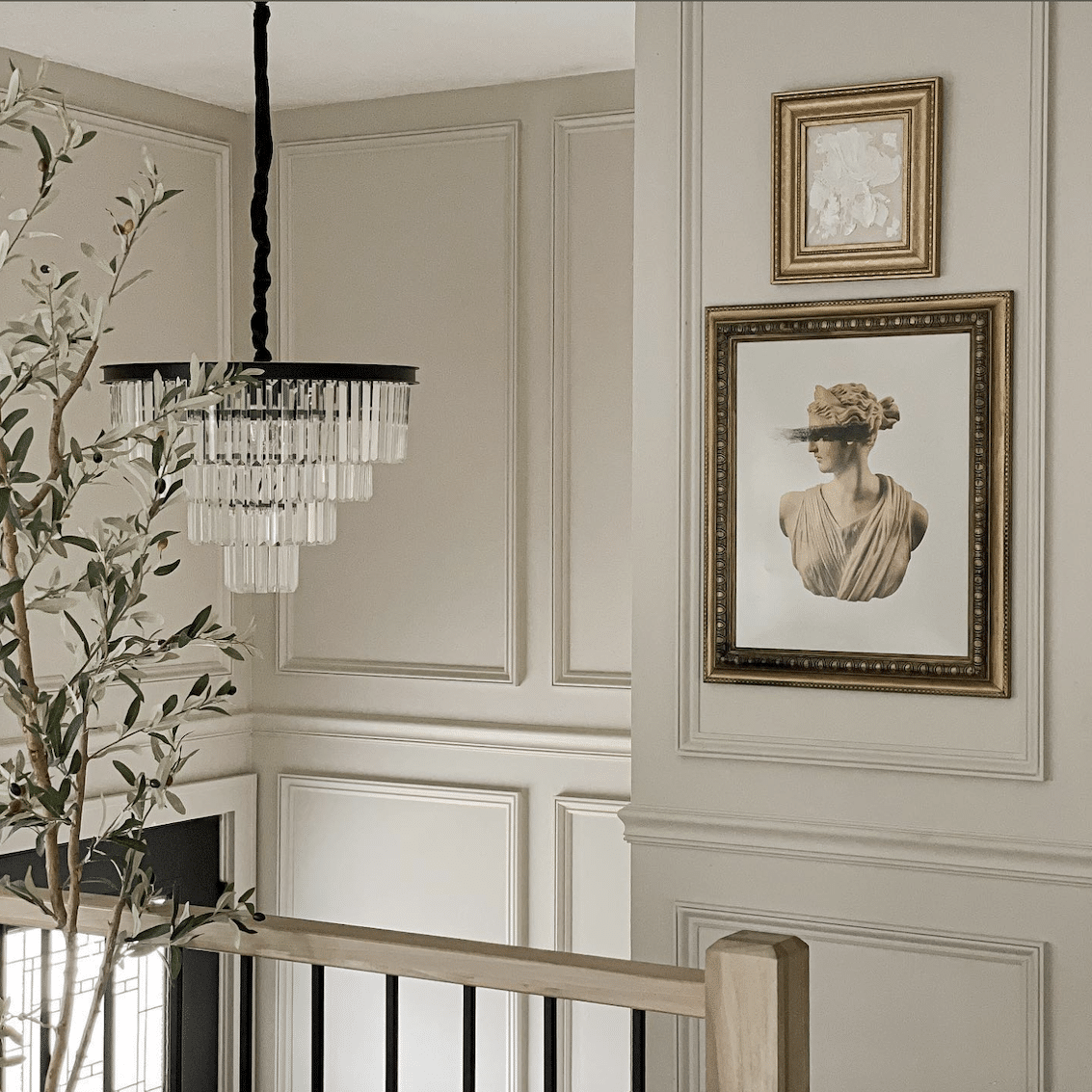
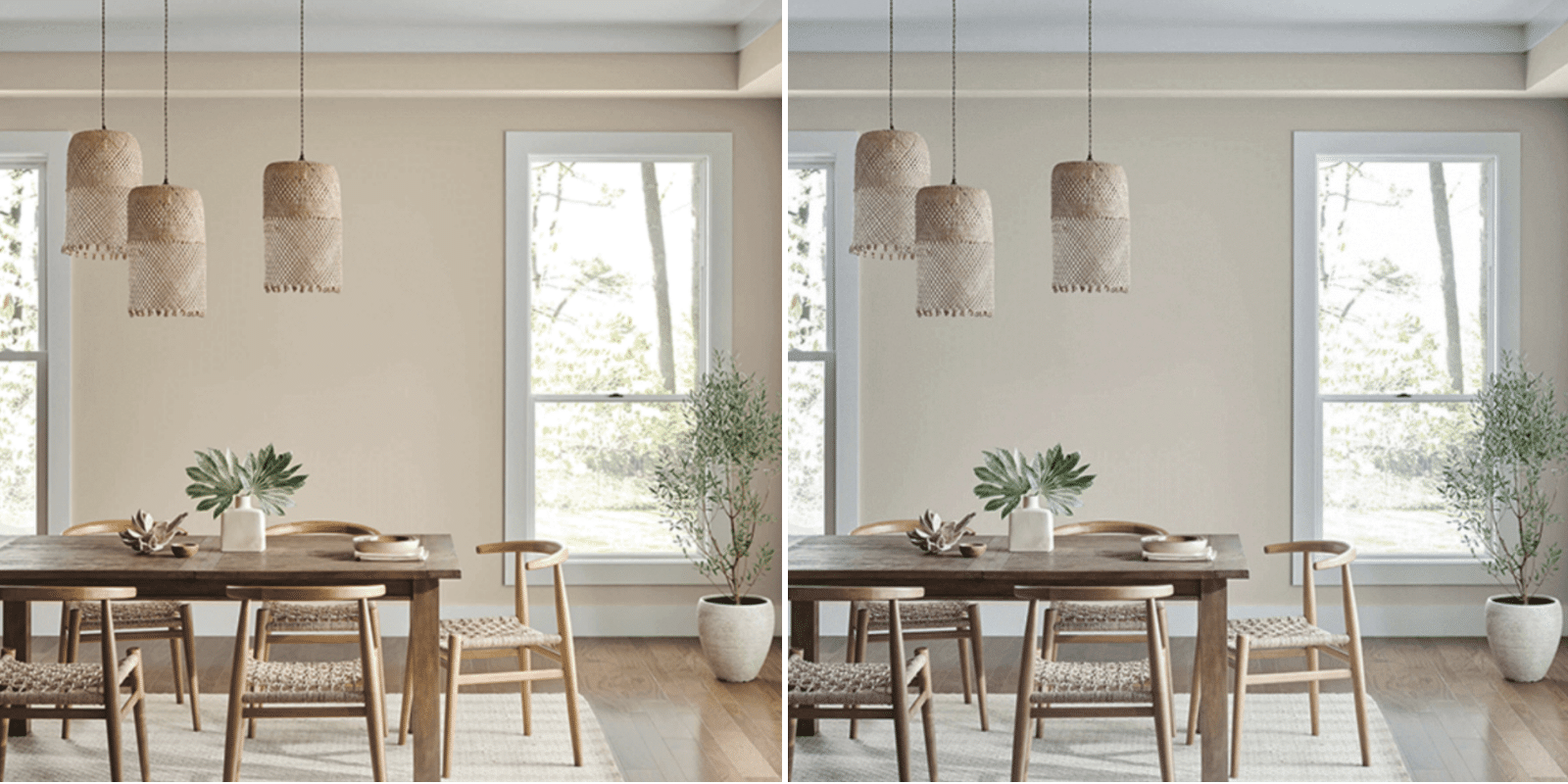
9. Sherwin-Williams Kilim Beige (SW 6106)
SW Kilim Beige has been a designer favorite for years because it brings warmth without looking overly golden. It feels grounded, comfortable, and timeless. This is a particularly great choice if you’re working with warm wood floors, warm stone, or traditional finishes.
Undertones: Beige, tan, subtle gold
In a north-facing room: Helps neutralize cool light and creates a comfortable, welcoming environment.
Best For: Traditional homes, homes with warm wood floors, living rooms, dining rooms, and spaces where comfort and warmth are the priority.
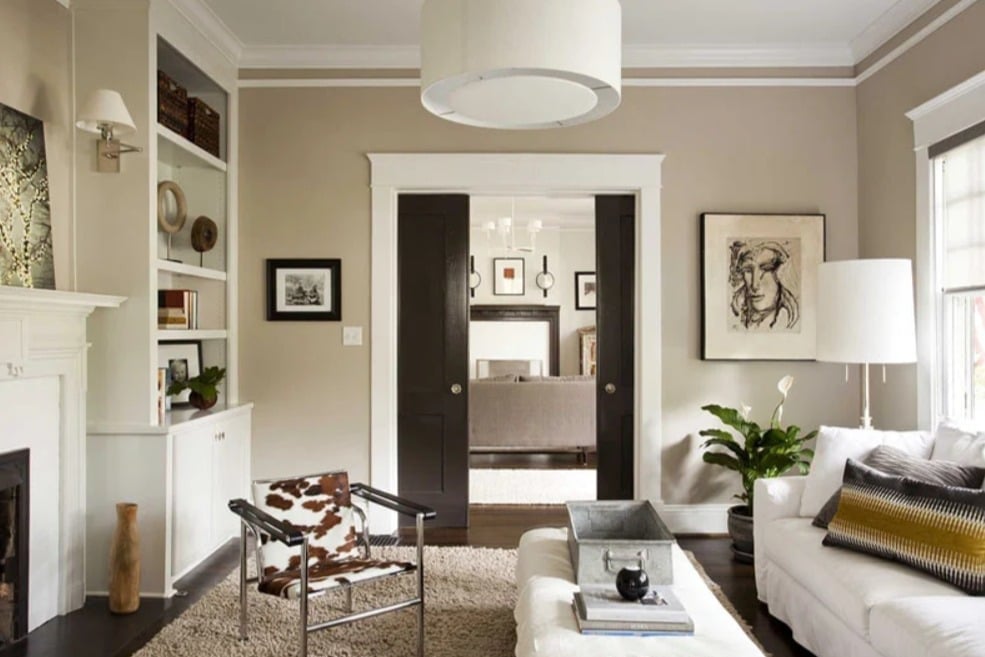
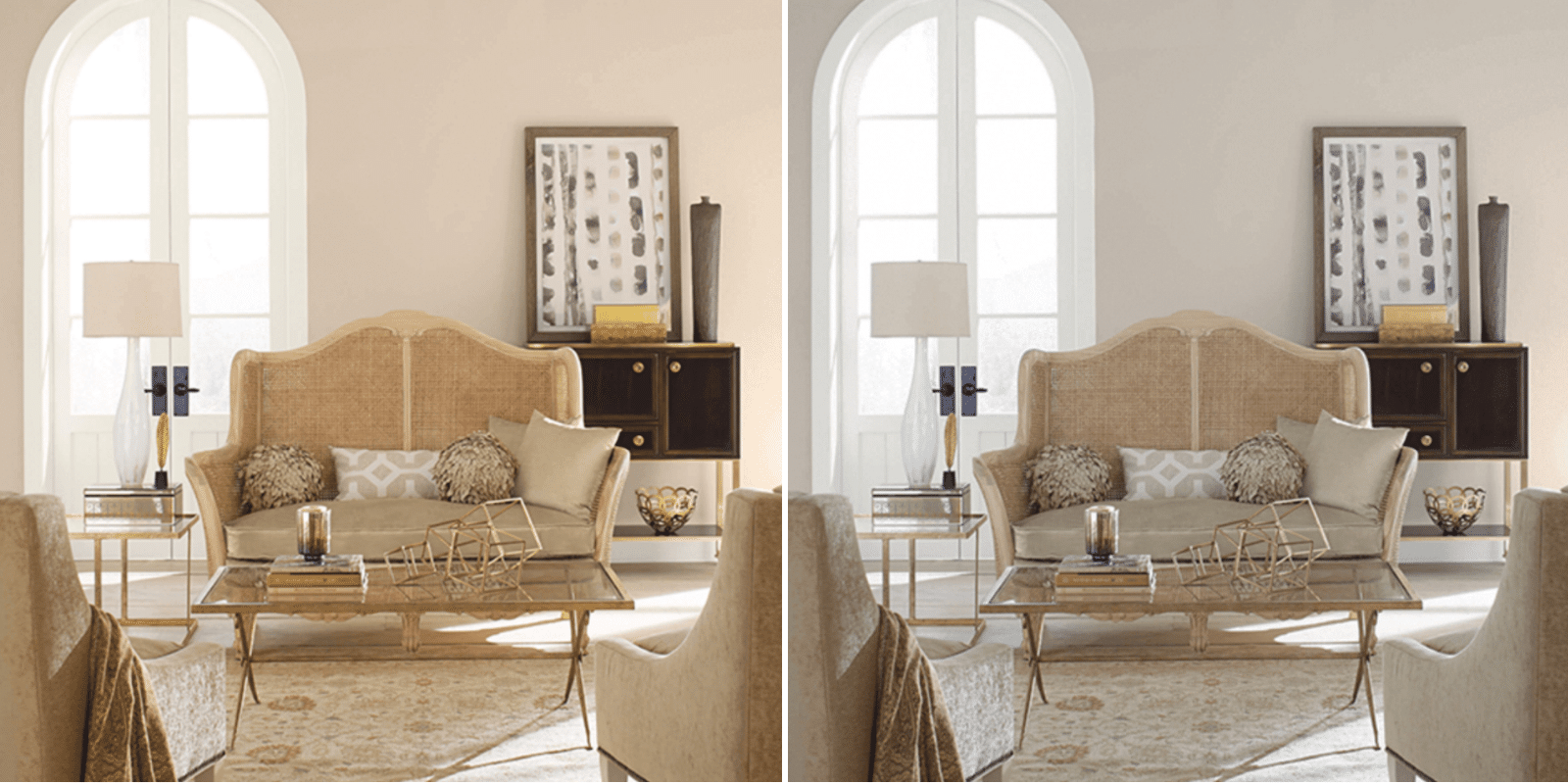
10. Sherwin-Williams Loggia (SW 7506)
SW Loggia is a rich greige with more depth than Accessible Beige or Edgecomb Gray. It offers clear warmth while still maintaining a modern, neutral look. It’s an excellent choice for homeowners who want a little more contrast against white trim without going too dark.
Undertones: Warm taupe, greige
In a north-facing room: Feels grounded and sophisticated while maintaining enough warmth to offset cool northern light.
Best For: Living rooms, dining rooms, primary bedrooms, and homeowners who want a richer greige with more depth and contrast.
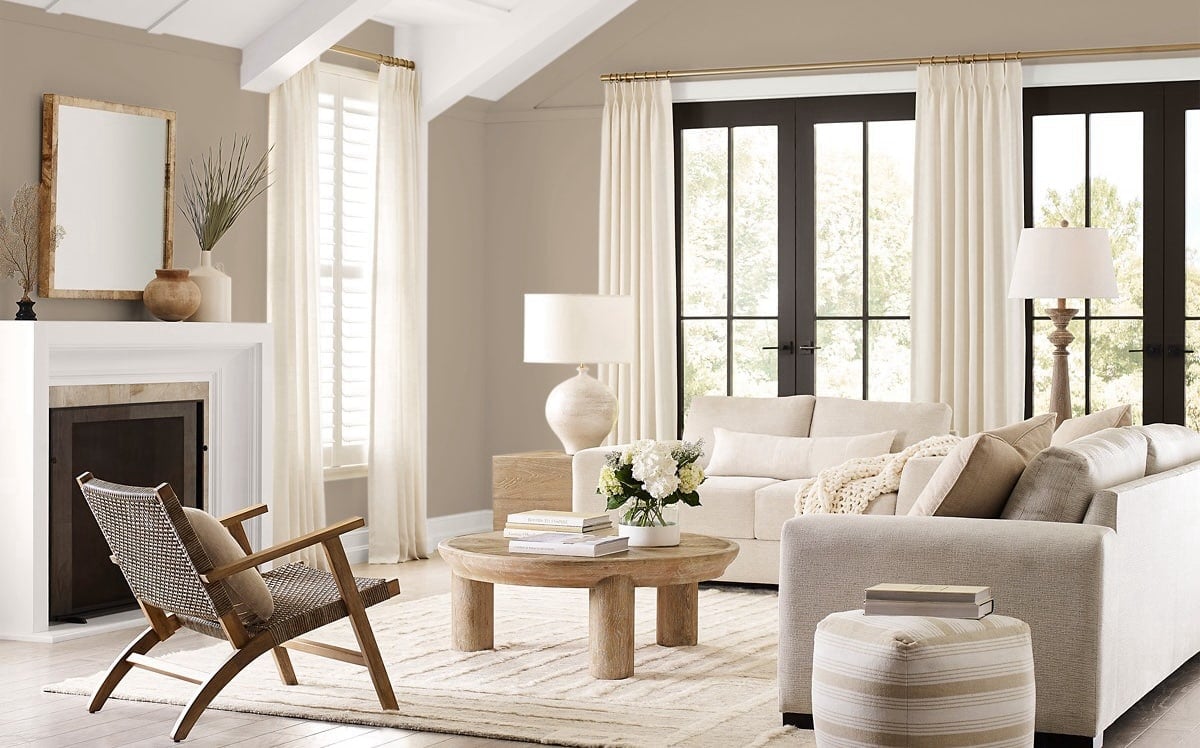
11. Benjamin Moore Lenox Tan (HC-44)
BM Lenox Tan is one of the warmest colors on this list. It’s a beautiful choice for traditional homes or spaces where you want a cozy, welcoming feel. At first glance, Lenox Tan is a khaki, and is a more golden paint color than most people are looking for today. However, because north-facing rooms naturally cool colors down, Lenox Tan often feels more balanced than homeowners expect.
Undertones: Warm tan, gold, beige
In a north-facing room: Creates warmth and comfort without feeling overly yellow or golden.
Best For: Traditional homes, dining rooms, family rooms, and spaces where a warm, cozy atmosphere is desired.
12. Benjamin Moore Kingsport Gray (HC-86)
BM Kingsport Gray is a warm taupe-gray that is great for homeowners who want more depth and richness in a north-facing room. Unlike cooler grays that can become icy in northern exposure, Kingsport Gray maintains its warmth and character.
Undertones: Warm taupe, brown-gray
In a north-facing room: Reads as a rich, sophisticated neutral with warmth and depth rather than a cool gray.
Best For: Home offices, dining rooms, accent walls, traditional homes, and homeowners who want a deeper neutral with warmth and character.
Which Neutral Paint Color Is Right for Your North-Facing Room?
With so many beautiful neutral paint colors to choose from, it’s easy to feel overwhelmed. The good news is that there isn’t one perfect paint color for every north-facing room. The best choice depends on how much warmth you want, how much natural light the room receives, and the overall feeling you’re trying to create.
If you’re still narrowing down your options, here’s a quick guide to help.
Best Neutral Whites
Benjamin Moore White Dove
Sherwin-Williams Alabaster
Sherwin-Williams White Duck
These are my favorite choices for homeowners who want a light, bright, neutral look without the room feeling cold or sterile. In a north-facing room, all three colors maintain softness and warmth while still reading as neutral whites.
Choose one of these if:
- You want bright walls without stark white
- You’re creating a whole-house color palette
- You prefer a timeless, versatile backdrop
- Your room already has plenty of warmth from flooring, furniture, or wood tones
Best Warm Whites
Sherwin-Williams Casa Blanca
Benjamin Moore Navajo White
If your north-facing room feels cold, dark, or uninviting, these colors can help add warmth and softness, while still reading as a white. Both colors have more cream and beige undertones than White Dove or Alabaster, making them ideal for rooms that need a little extra coziness.
Choose one of these if:
- Your room receives limited natural light
- You want the space to feel warmer and more welcoming
- Bright whites feel too stark
- You love traditional or classic interiors
Best Light Neutrals
Benjamin Moore Muslin
Benjamin Moore Manchester Tan
Sherwin-Williams Accessible Beige
Benjamin Moore Edgecomb Gray
These colors sit in the sweet spot between white and beige. They’re soft, versatile neutrals that add more depth than a white wall while still keeping a room feeling open and airy.
Choose one of these if:
- You want more color than white but don’t want obvious beige walls
- You’re creating a calm, cohesive whole-house palette
- You prefer subtle warmth and sophistication
- You want a neutral that works with a wide variety of furniture and finishes
Of these four, Edgecomb Gray tends to read the most neutral in north-facing rooms, while Muslin provides the most warmth.
Best Medium-Depth Neutrals
Sherwin-Williams Loggia
Benjamin Moore Lenox Tan
Benjamin Moore Kingsport Gray
If you want a little more depth, contrast, or richness, these colors are excellent choices. They still offer enough warmth to work well with north-facing light, but they create a more grounded and substantial look than lighter neutrals.
Choose one of these if:
- You want a cozy, sophisticated atmosphere
- Your room feels too large or lacks character
- You prefer medium-toned neutrals over light colors
- You’re looking for a color with more presence and depth
SW Loggia is the most balanced greige of the group, BM Lenox Tan is the warmest, and BM Kingsport Gray offers the richest, most dramatic look.
My Quick Recommendations
If you’re feeling completely stuck, these are the colors I’d start with first:
Want a neutral white? → Benjamin Moore White Dove
Want a warm white? → Sherwin-Williams Alabaster
Want a versatile greige? → Sherwin-Williams Accessible Beige
Want a soft neutral look? → Benjamin Moore Edgecomb Gray
Want extra warmth? → Benjamin Moore Muslin
Want more depth? → Sherwin-Williams Loggia
Remember, paint colors always look different in real homes than they do online or in the paint store. No matter which color you choose, be sure to test large samples in your space and observe them throughout the day before making a final decision.
Here are those 12 colors again side-by-side for comparison.
How to Choose the Right Paint Color for Your North-Facing Room
Instead of searching online for, “what is the best paint color for a north facing room?” and then blindly choosing a color, I want you to ask yourself these four questions:
1. How Much Available Light Does the Room Receive?
A bright north-facing room can handle more color depth. A dark room often benefits from lighter colors.
2. What Are Your Fixed Finishes?
Fixed finishes include things like flooring, cabinets, carpet, tile, and trim. Your wall color should complement these elements, not fight with them.
3. Do You Want To Warm Up The Space Or Simply Balance It?
Some homeowners want warmth, while others simply want the room to feel neutral. Those are different goals. For example, if you want your room to look greige, but every color you’ve tried is leaning too gray, your goal is to find a color that will give you the greige look you want in a north-facing room.
4. What Undertones Are Present?
Undertones matter more than the color family itself. A warm gray often performs better than a cool gray in north-facing rooms, and a creamy white will usually look better than a bright, neutral white.
How to Test Paint Colors Correctly
This is the step most homeowners skip, and it’s often why they end up repainting. I cannot stress to you enough how important it is to test paint colors in the actual room before you commit. The best way to evaluate paint colors is to:
- Use large paint samples (I recommend Samplize)
- Test on multiple walls in the room
- View the colors morning, afternoon, and evening
- Evaluate the color in direct sunlight and indirect light
- Turn your light bulbs on at night
- Compare multiple colors side by side
A paint color can look totally different depending on the time of day and type of lighting in your room, so test, test, test!
Still Not Sure Why Your Paint Color Looks Wrong?
One of the biggest mistakes homeowners make is assuming they need to start over when a paint color doesn’t look right. In reality, the problem is often much simpler. A color may be too cool, too warm, too dark, too light, or showing an undertone you didn’t expect because of the room’s lighting and surrounding finishes.
That’s exactly why I created the Paint Pivot Method™.

Instead of guessing at random paint samples, the Paint Pivot Method teaches you how to identify what’s actually wrong with a color and make intentional adjustments to find a better one. You’ll learn how to troubleshoot undertones, depth, and saturation so you can confidently move from “almost right” to “just right.”
👉 Learn more about the Paint Pivot Method here.
Best Neutral Paint Colors for North-Facing Rooms: Final Thoughts
North-facing rooms don’t need special paint colors, but they do need thoughtfully chosen paint colors.
The best colors for north-facing spaces usually share one common trait…they have enough warmth to balance the cooler light created by northern exposure. Whether you choose creamy whites, warm greiges, warm gray paint colors, or soft taupes, pay close attention to undertones, available light, and how the color interacts with your specific space.
And remember: there is no “perfect” paint color for every north-facing room. The right paint color is the one that works with your room’s light, your fixed finishes, and the feeling you want your home to have.
Explore the Paint Hub Page
If you’re researching paint colors, undertones, or whole-home palettes, I’ve organized all of my best paint resources in one place. From white paint guides to exterior color combinations, you can find everything inside my Paint Hub page.
* This post contains affiliate links. See our full Privacy Policy for details.

Thank you for this insightful guide on neutral paint colors! I never realized how lighting can dramatically affect color perception. Your tips will definitely help me choose the perfect shades for my north-facing room!