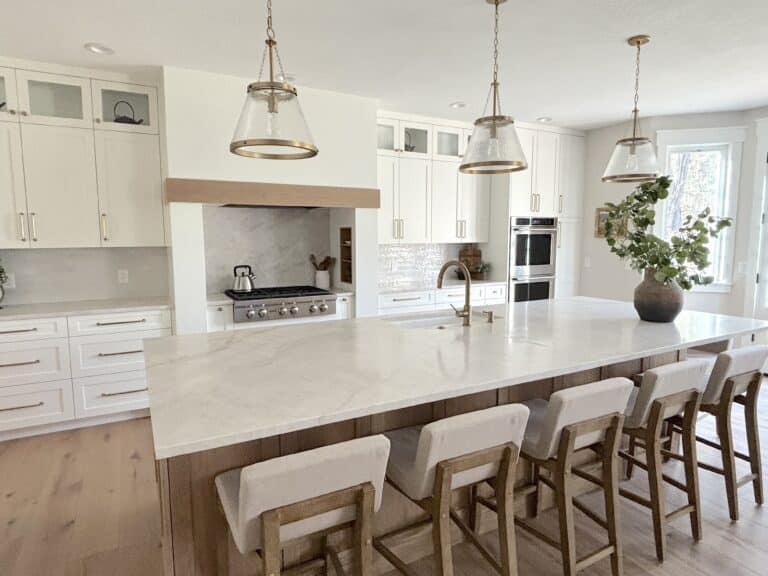
If you’re researching porcelain countertops, chances are you’re trying to balance durability, looks, maintenance, and cost — without making a decision you’ll regret every time you cook dinner. Porcelain slab countertops are becoming a top choice in modern kitchens and commercial spaces, but they’re still misunderstood compared to other options, like quartz countertops and granite countertops. In this post, I’ll break it all down so you can decide if porcelain is the right choice for your new countertop, or if another material might be a better fit for your home and daily use.
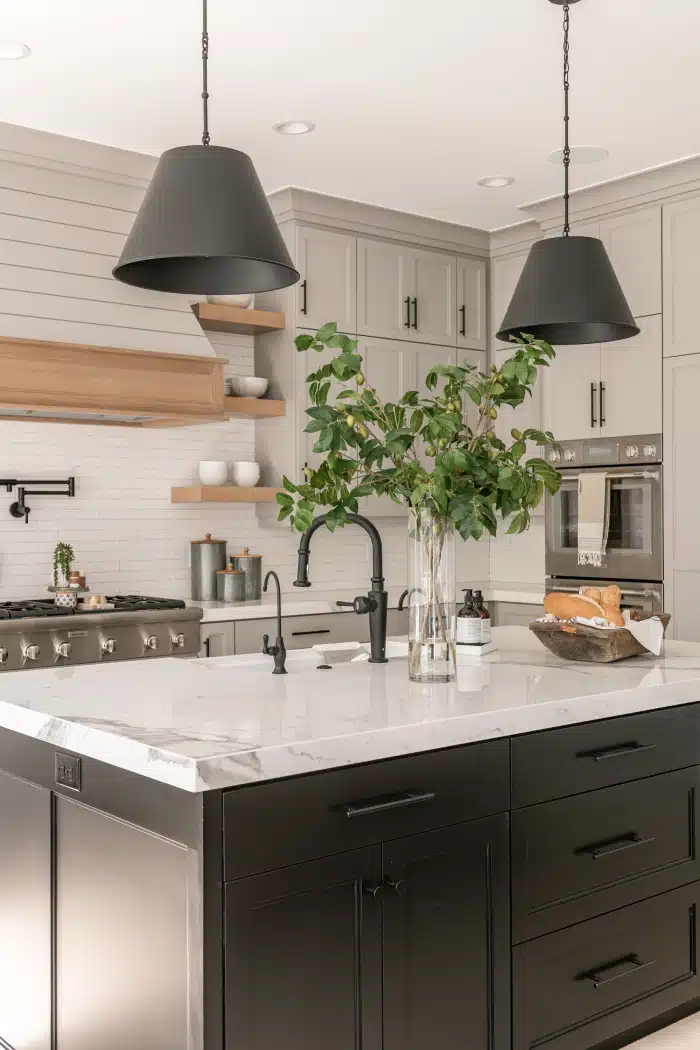
What Are Porcelain Countertops?
Porcelain countertops are made from a ceramic material created by firing a blend of refined clay, feldspar, silica, and natural minerals at extremely high temperatures, like over 2,500°F. This process creates a dense, non-porous surface that’s incredibly durable and resistant to daily wear.
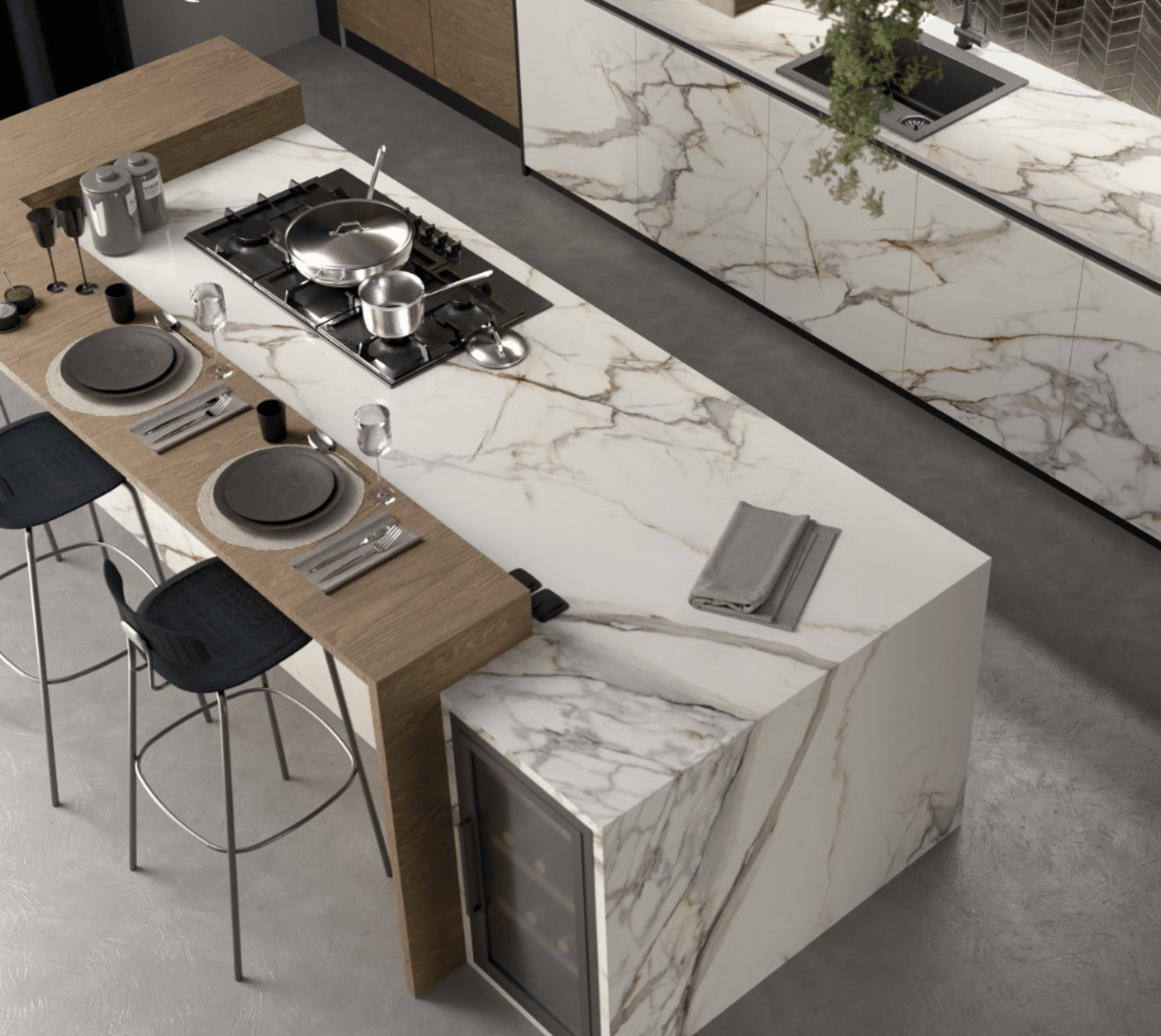
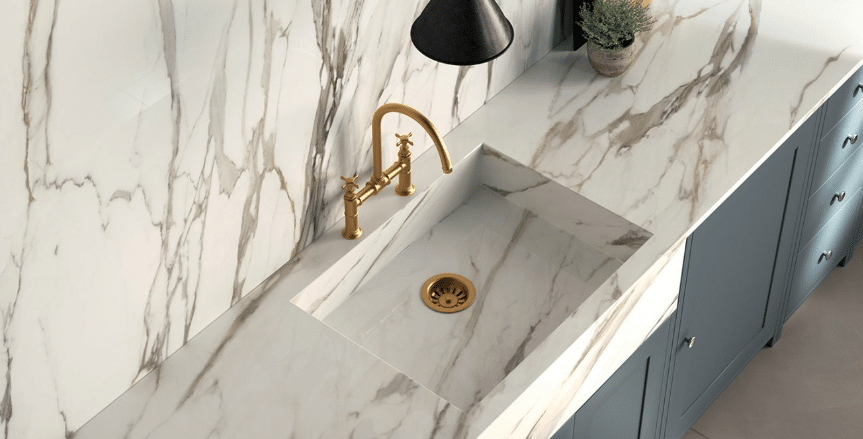
Porcelain slabs are then finished with advanced printing technology that allows them to mimic the look of natural stone, concrete, metal, or even wood. The result is a sleek, modern surface that delivers high performance with minimal maintenance.
Porcelain slab countertops are typically thinner than other countertop materials, which contributes to their modern look and lightweight feel. However, this also means that they can be more difficult to install and more prone to chipping.
Why Porcelain Countertops Are Gaining Popularity
Porcelain surfaces have been used in tile form for decades, but large-format porcelain slabs are a newer option for kitchen countertops and bathroom vanities. Designers and homeowners alike are drawn to porcelain because it offers:
- A sleek look with clean lines
- Exceptional durability for daily use
- A wide range of colors and finishes
- Low maintenance and stain resistance
For modern kitchens and outdoor applications, porcelain is quickly becoming a top choice.
Pros of Porcelain Countertops
1. Outstanding Heat Resistance
Porcelain is fired at extremely high temperatures, which means it can easily handle hot pots and pans without damage. Unlike quartz countertops, you don’t need to panic if someone sets a hot pan directly on the surface. This makes porcelain a great choice for:
- Busy kitchens
- Outdoor kitchens
- Commercial spaces
2. Non-Porous and Stain Resistant
Porcelain countertops have a non-porous surface, meaning they don’t absorb liquids. Wine, oil, coffee, and acidic foods won’t seep in, making porcelain highly stain resistant and ideal for daily wear. No sealing required…ever.
3. Low Maintenance
If low maintenance is high on your list, porcelain is a good choice. Cleaning typically requires nothing more than mild soap and water. Long-term maintenance cost is minimal compared to natural materials like granite or quartzite.
4. Durable and Scratch Resistant
Porcelain is an extremely durable material. It resists scratches from everyday use and holds up well over time. While no surface is completely indestructible, porcelain performs exceptionally well in high-traffic kitchens.
5. Wide Range of Colors and Styles
One of porcelain’s biggest advantages is its wide variety of colors and patterns. You’ll find:
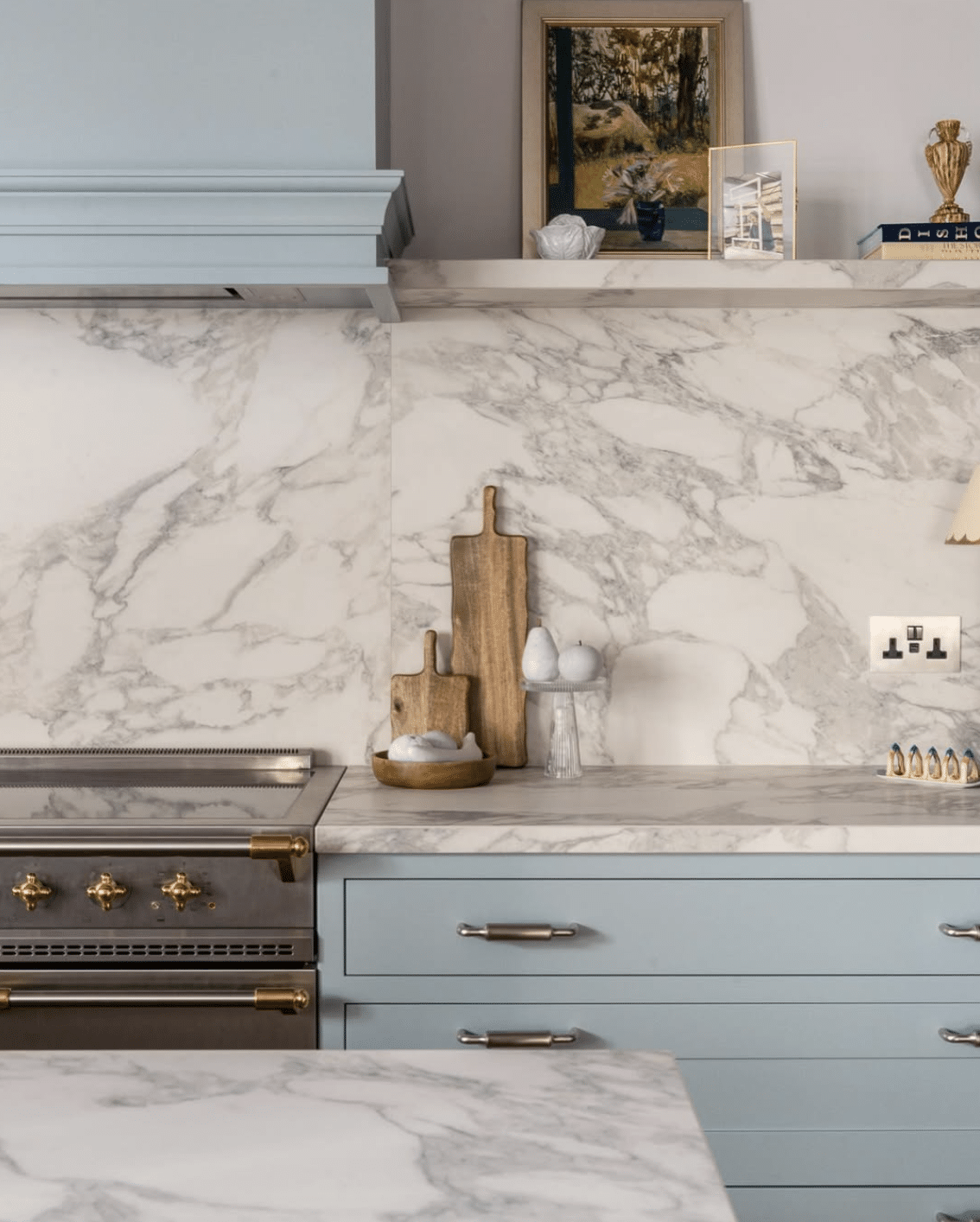
- Marble-look porcelain
- Concrete-inspired finishes
- Solid modern tones
- Designs that mimic natural stone countertops
This versatility makes porcelain slab countertops a great fit for both traditional and modern kitchens.
6. Ideal for Outdoor Applications
Unlike quartz, porcelain surfaces are UV stable. They won’t fade, discolor, or degrade in sunlight, making them perfect for outdoor kitchens and exposed environments.
Cons of Porcelain Countertops (Important to Know)
1. Can Chip or Crack Under Impact
While porcelain is extremely strong, it can chip if a heavy object hits the edge at the wrong angle. This is one of the biggest cons of porcelain countertops, especially with thinner slabs.
2. Limited Edge Profiles
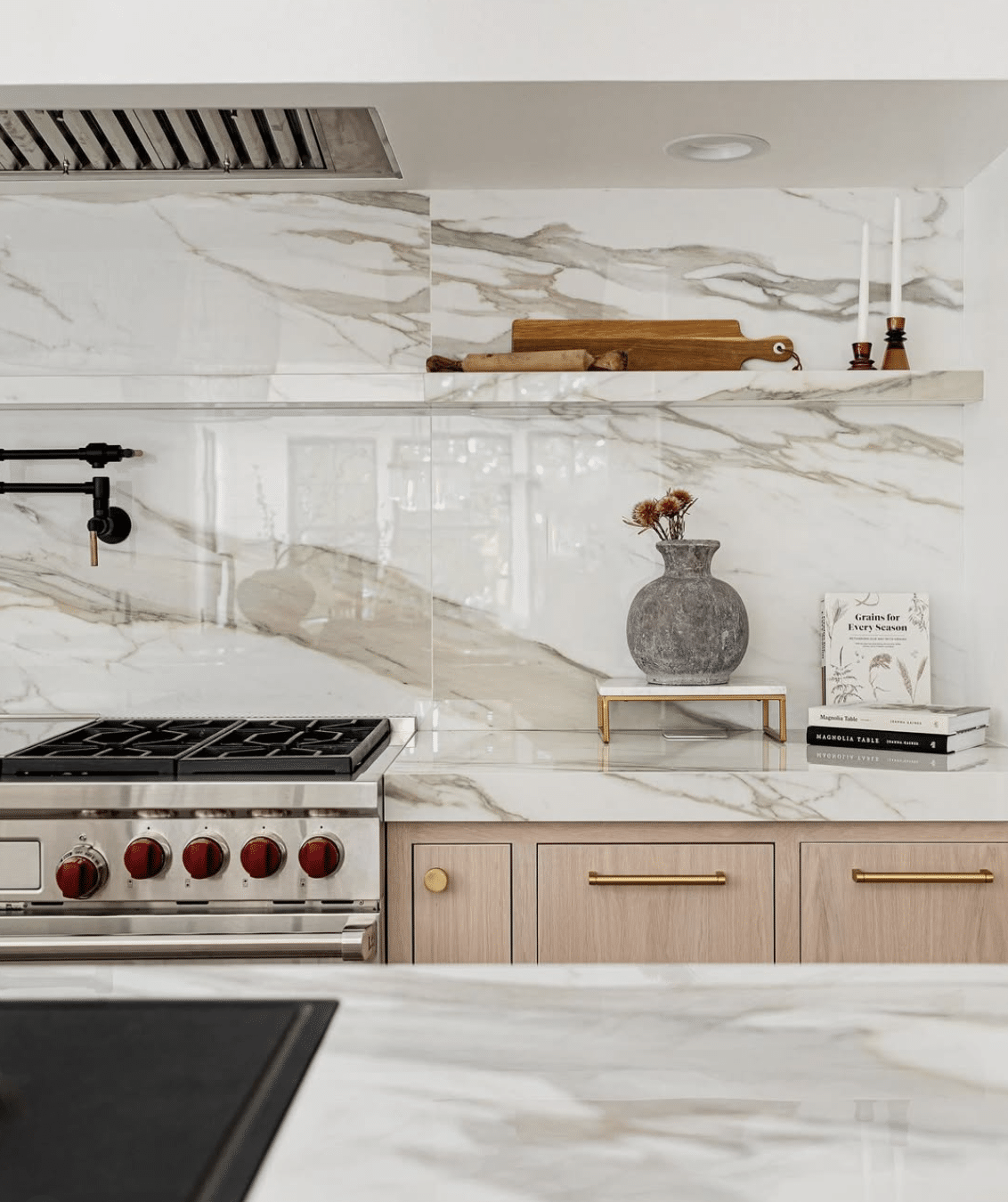
Because porcelain slabs are thinner, countertop edge options are more limited than granite or quartz. Many installations use mitered edges to create the appearance of a thicker slab. If you want a fancier edge option, like ogee, porcelain may not be the right material for you
3. Installation Matters (A Lot)
Porcelain requires an experienced fabricator. Improper handling during installation can lead to cracking. This definitely isn’t a DIY countertop.
Porcelain Slab Thickness: What to Expect
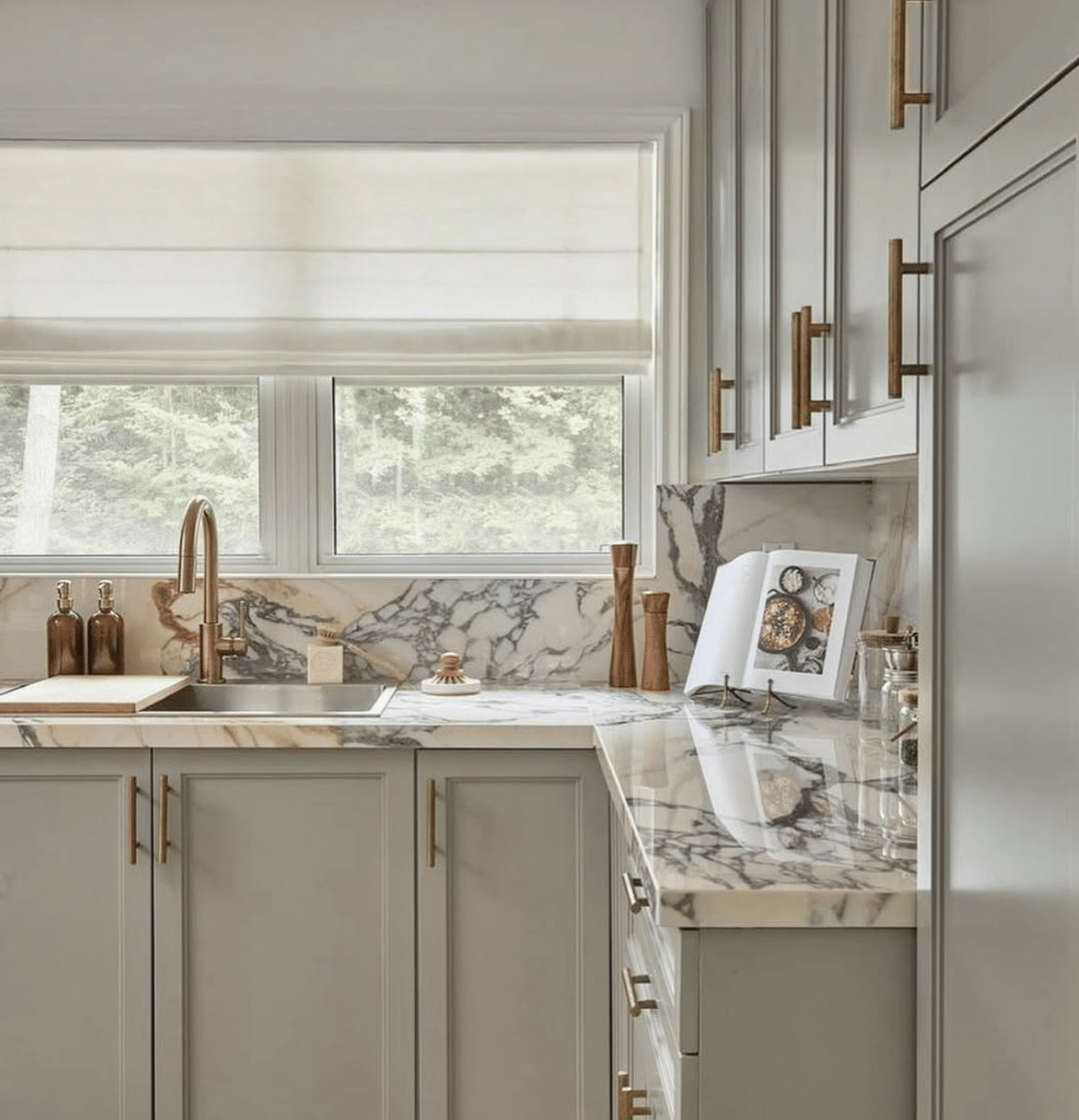
Porcelain slab countertops are thinner than most natural materials, often around 12mm. While this contributes to their modern look, it does mean:
- Edge detailing is important
- Professional installation is critical
Many homeowners love the sleek appearance, especially in contemporary kitchens.
How Much Do Porcelain Countertops Cost?
Porcelain countertops typically cost between $50–$120 per square foot, depending on the slab, finish, and installation complexity. Compared to other countertop materials:
- Often cheaper than granite countertops
- Similar to or slightly less than quartz countertops
- Less expensive than high-end quartzite
Considering durability, low maintenance, and longevity, porcelain often offers strong value for the money.
Porcelain Countertops vs Other Popular Materials
Porcelain vs Quartz Countertops
Is porcelain better than quartz? It depends on your priorities.
- Porcelain wins for heat resistance and outdoor use
- Quartz offers thicker slabs and more edge options
- Quartz is slightly more forgiving during installation
If you cook often or want outdoor applications, porcelain may be the better choice.
Check out my posts on Quartz vs. Quartzite and Quartz vs. Granite for more comparisons, and to help find the best countertop material for you.
Porcelain vs Granite Countertops
Granite is a natural material with beautiful variation and speckling, but it:
- Requires sealing
- Is more porous
- Needs more maintenance over time
Porcelain offers a more modern look look with less upkeep and better stain resistance.
Porcelain vs Quartzite
Which is better, quartzite or porcelain? Quartzite is a natural stone countertop that’s extremely hard and beautiful, but it’s also expensive and requires sealing. Porcelain delivers the look of natural stone with far lower maintenance and often a lower price point.
Are Porcelain Countertops Considered High End?
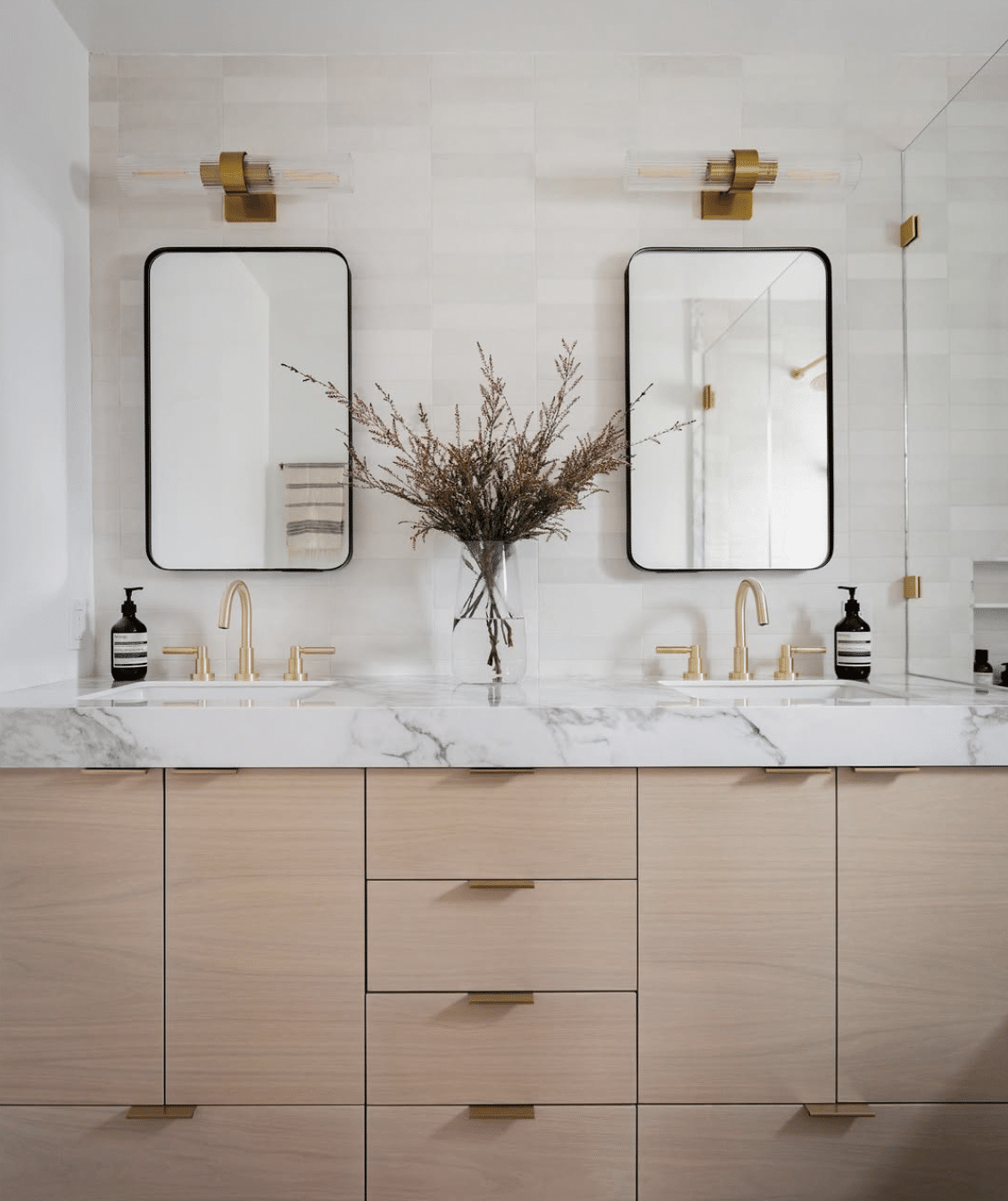
Yes! When installed correctly, porcelain countertops are absolutely considered high end, especially in modern kitchens, bathrooms, and luxury outdoor spaces. Their clean lines, durability, and designer finishes make them a favorite among architects and interior designers.
What Is the Best Countertop for Your Money?
There’s no single answer, but porcelain is a great choice if you want:
- Durability
- Heat resistance
- Low maintenance
- A modern look
- Long-term value
For homeowners who want performance without constant upkeep, porcelain is often one of the smartest investments.
What Is the Downside of Porcelain Countertops?
The biggest downside is installation sensitivity and potential edge chipping if mishandled. Choosing the right fabricator is critical. If you want thick slabs with ornate edges, another material may be a better fit.
Final Thoughts: Is Porcelain Right for Your New Countertop?
Porcelain countertops combine the best of modern technology and timeless design. They offer incredible durability, stain resistance, and low maintenance while delivering the look of natural materials many homeowners love.
They aren’t perfect for everyone, but for many kitchens, they’re an excellent choice and a top contender among today’s countertop materials.
If you’re looking for ways to make your home look more luxurious, without breaking the bank, my free guide “10 Designer Secrets for a Luxury Home on a Budget” gives you expert tips and tricks to elevate your home.
👉 Grab the free guide here and start adding a little luxury into your home today.